

Our food is losing nutrients, and weight-loss drugs could make matters worse
Modern wheat contains fewer minerals, and eating less while taking weight-loss drugs could make nutrient shortages more likely.
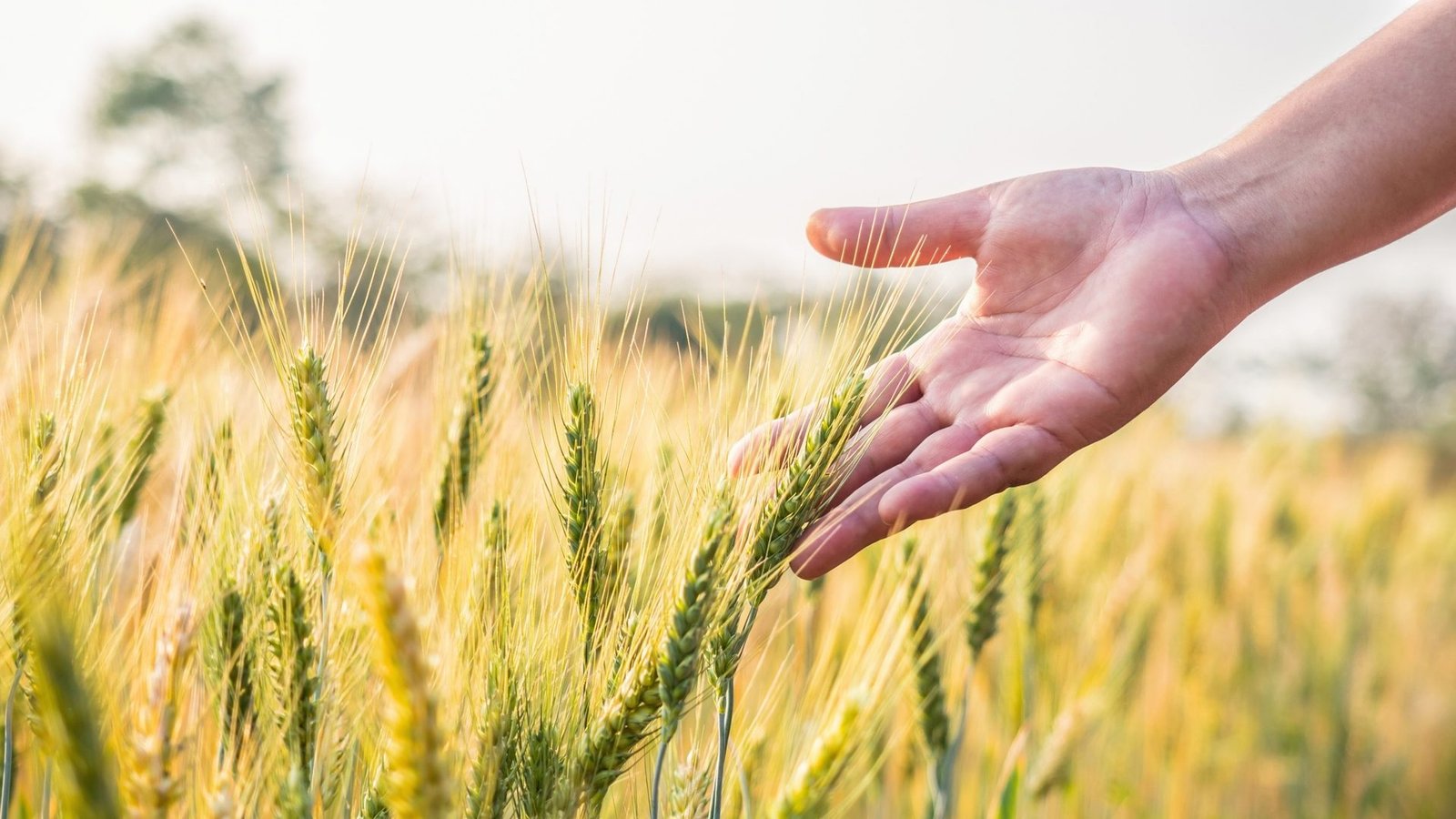
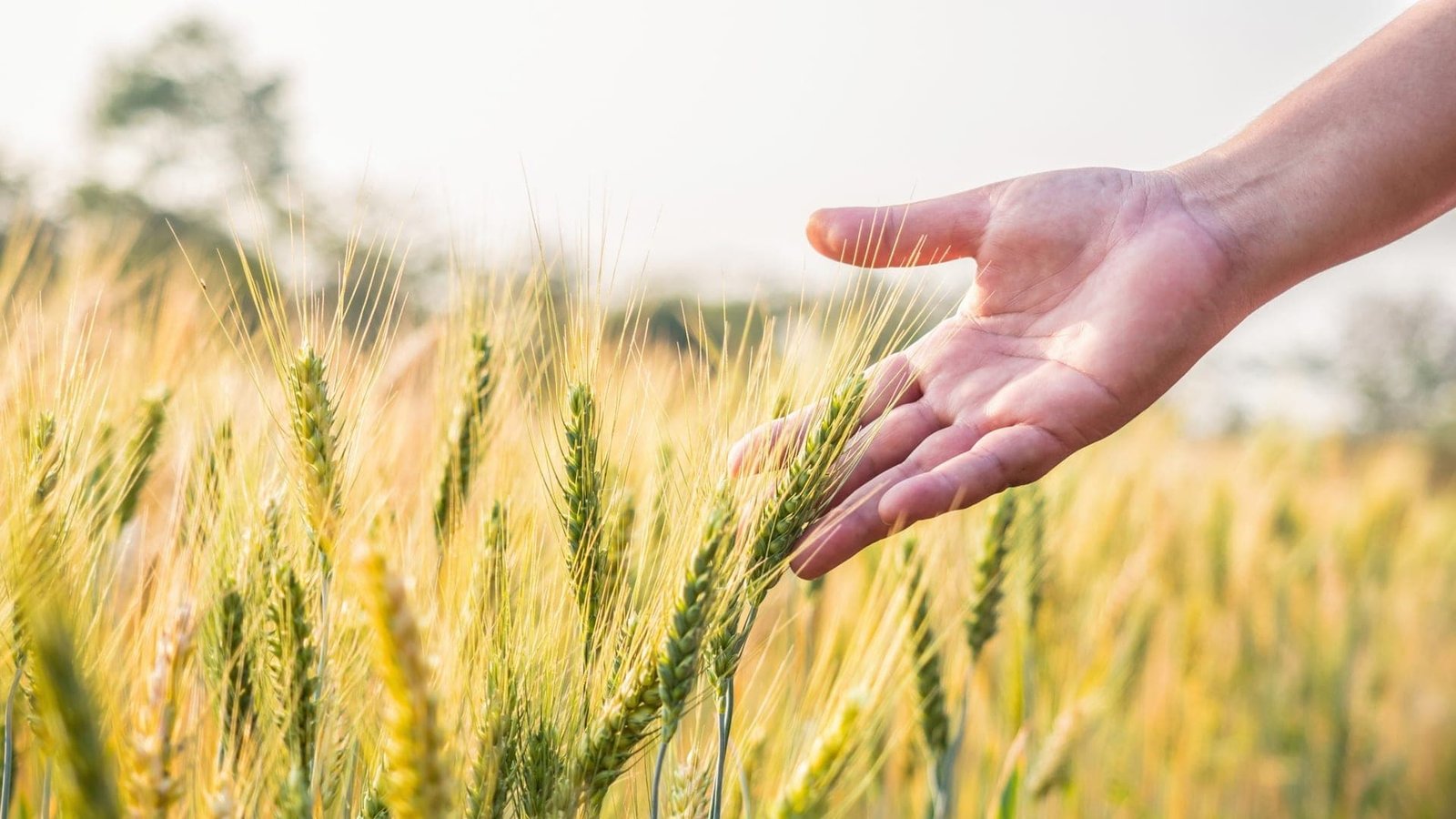
Researchers in England have saved wheat from the same farming experiment since 1845.
When they compared those old harvests with newer ones, they found that modern wheat contained much less zinc and iron.
Farmers had become far better at growing grain. But the minerals in that grain had not kept up.
A new report suggests people may have made up for some of the loss by eating more food.
Now, with drugs such as Ozempic and Mounjaro helping people eat less, smaller meals could leave some people short of nutrients.
Deep Science Ventures (DSV), a firm that builds science companies, produced the report.
Its biggest numbers come from computer estimates, and other scientists have not checked it through a journal’s review process.
More grain came with fewer minerals
The saved wheat comes from Rothamsted Research.
Its collection showed that zinc and iron levels stayed fairly steady for more than a century, then began falling after shorter wheat plants arrived in the 1960s.
These plants produced more grain, helping make foods such as bread and cereal plentiful and affordable.
Yet wheat grown in the early 2000s contained up to 49% less zinc and 27% less iron than wheat grown decades earlier.
The soil had not run out of these minerals.
The findings instead pointed toward the plants: breeders had selected wheat that grew more grain, but its mineral content did not rise at the same pace.
Another analysis, published this year, found that fewer than a third of bread wheat varieties introduced since the 1960s met a zinc target set for human health.
More food may have covered the loss
Eating a larger portion can bring in more iron or zinc, even if each mouthful contains less.
The report’s authors think this may partly explain why falling crop mineral levels have not led to more obvious problems.
They point to a 38% rise in the average global food supply between 1961 and 2023. That fits their explanation, though it does not prove it.
Relying on bigger meals brings other concerns, too. Worldwide,obesity more than doubled between 1990 and 2022.
Smaller meals make food quality matter more
Medicines such as Ozempic copy a natural hormone that slows digestion and helps people feel full sooner.
In onetrial, adults with obesity who took semaglutide, the drug in Ozempic, ate 35% fewer calories than those given a dummy treatment.
Less food can also mean fewer vitamins and minerals.
A 2025 survey found that nearly all participants taking these medicines ate less potassium than recommended, and most fell short on iron.
Many may already have eaten poorly before starting the drugs, so the survey cannot pin those gaps on the medicines.
Still, the report argues that food quality deserves more attention as drug use grows.
Calories alone aren’t enough
Will Summers, a senior associate for climate at DSV, described the concern.
“For sixty years we’ve measured food security in calories and tonnes per hectare, and on those measures we’ve done remarkably well. But we’ve been quietly hollowing out what’s inside our food,” Summers said.
“As weight-loss drugs mean people eat less, the nutritional quality of every bite starts to matter much more.”
“The good news is that we already have the tools to fix this, in breeding, soil health, markets and policy. What’s been missing is the recognition that this problem is worth measuring and solving at its
Some people already get too few nutrients
Using UK food surveys, the team looked for people whose reported intake fell below a very low level where nutrient shortages become likely.
Among adults aged 19 to 64, 45% fell below this level for selenium, as did 34% of women for iron.
The researchers then asked what might happen if 15% of adults took weight-loss drugs and crops lost another 15% of their minerals by 2050.
Under those assumptions, their model put about 5 million working-age adults below the low intake level for at least one nutrient, mainly potassium and selenium.
Food surveys have a weakness: people often report eating less than they really do. Even after adjusting for that, the model left almost 3 million adults short on potassium.
Low iron is linked to tiredness and trouble concentrating, while low potassium can affect blood pressure. During pregnancy, too little iron, iodine or folate can also put a baby’s health at risk.
Farmers could grow wheat with more minerals
Some of the changes could happen long before food reaches anyone’s plate. In wheat trials, adding zinc and iron to standard fertilizer increased zinc in the grain by 27% and iron by 41%.
In DSV’s model, raising crop nutrient levels by less than 50% could make up for the effect of 15% of UK adults taking the drugs.
The authors expect larger benefits in poorer countries, where grains and beans supply more of people’s minerals.
Sian Ferguson is the trust executive at the Mark Leonard Trust, which collaborated on the report.
“Healthy soil is the foundation of healthy food. This report shows that rebuilding soil health is one of the few measures that can improve nutrient density, yields and climate resilience all at once, and farmers can do it profitably today,” Ferguson said.
The numbers come with some big limits
The model assumes everyone taking these drugs eats exactly 20% less food. Its numbers describe possible changes in nutrient intake, not measured illnesses in millions of people.
Most long-term evidence for falling minerals also comes from wheat.
Crop mineral levels do not receive the same routine checks as harvest sizes, although Rothamsted is preparing an updated analysis covering the past 20 years.
DSV has a business interest in some of its proposed solutions, including soil improvement.
Its report raises questions worth investigating, but it cannot tell us exactly what people will eat or how their health will change.
The report, Hollow Harvests, was
Like what you read? Subscribe to our newsletter for engaging articles, exclusive content, and the latest updates.
Check us out on EarthSnap, a free app brought to you by Eric Ralls and Earth.com.
