

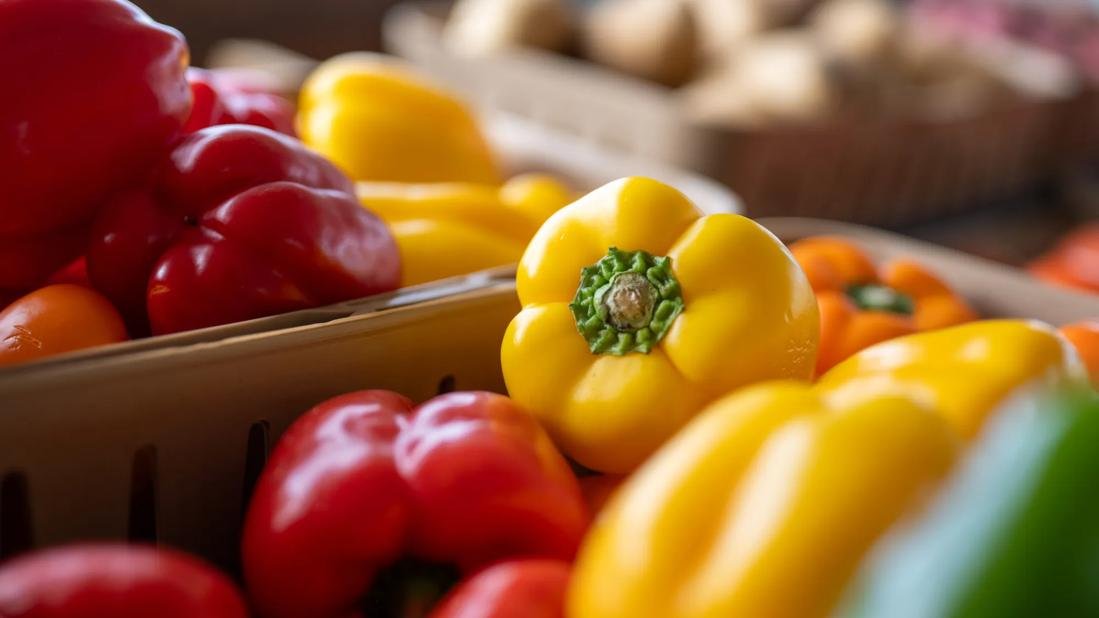
Are Bell Peppers Good for You? 3 Potential Health Benefits
Bell peppers are colorful, crunchy vegetables that can add flavor and nutrients to salads, stir-fries, soups and many other meals. They are naturally low in calories and provide fiber, vitamin C, carotenoids and other plant compounds.
Their nutritional profile varies somewhat by color and ripeness, but all varieties can be part of a balanced diet.
1. They Provide Important Vitamins and Antioxidants
Bell peppers are particularly well known for their vitamin C content. They also contain carotenoids and other antioxidant compounds that help protect cells from oxidative stress.
Red, yellow, orange and green peppers have somewhat different nutrient profiles, so eating a variety of colors can provide a broader range of plant compounds.
2. They Support a Healthy Diet
Bell peppers provide relatively few calories while adding fiber and nutrients to meals. Fiber is important for normal digestion and can help you maintain a balanced, nutrient-rich eating pattern.
Adding chopped peppers to salads, soups, sandwiches or cooked meals is an easy way to increase your vegetable intake.
3. They May Support Heart and Overall Health
A diet rich in vegetables is associated with better overall health. Bell peppers provide potassium, vitamin C, fiber and various plant compounds that can contribute to a healthy eating pattern.
However, bell peppers should not be described as a treatment or cure for conditions such as cancer, high blood pressure or memory disorders. Their benefits are best understood as part of an overall healthy diet.
Bell Pepper Nutrition
The exact nutrition depends on the variety and serving size. Bell peppers generally provide:
- Vitamin C
- Fiber
- Folate
- Potassium
- Carotenoids
- Other antioxidant plant compounds
They are also naturally low in fat.
Which Color Bell Pepper Is Best?
There isn’t one color that is universally “the healthiest.” Different colors contain different amounts of plant compounds.
Green peppers are harvested earlier and tend to have a more bitter flavor.
Red peppers are more mature and generally have a sweeter taste.
Yellow and orange peppers are also nutrient-rich and provide their own combination of carotenoids and other plant compounds.
Eating different colors is a simple way to add variety to your diet.
Easy Ways to Eat Bell Peppers
You can enjoy bell peppers in many ways:
- Add raw slices to salads.
- Mix chopped peppers into omelets or scrambled eggs.
- Add them to soups and stews.
- Roast them as a side dish.
- Add them to sandwiches and wraps.
- Mix them into rice, pasta or grain bowls.
- Serve raw peppers with hummus or another healthy dip.
Bell peppers are a nutritious and versatile vegetable that can contribute vitamin C, fiber and beneficial plant compounds to your diet. Red, green, yellow and orange peppers can all fit into a healthy eating pattern.
For the greatest variety of nutrients, include bell peppers alongside a wide range of vegetables, fruits, whole grains, legumes and other nutritious foods.
Medical disclaimer: This article is for general educational purposes and is not a substitute for professional medical advice. If you have a medical condition or specific dietary concerns, speak with a qualified healthcare professional.
