
Close Menu
Kporia Health

    Subscribe to Updates

    Get the latest creative news from FooBar about art, design and business.

    What's Hot

     Could GLP-1 drugs finally put a price on crop nutrient density?

    October 8, 2026

    Balancing nutritional adequacy and health benefits

    October 8, 2026

    7 Healthy Winter Squash to Try This Fall Season

    October 8, 2026
    Facebook X (Twitter) Instagram
    Kporia Health
    Facebook X (Twitter) Instagram
    Health Calculator
    • Home
    • Healthy Foods
    • Fruits
    • Herbs
    • Minerals
    • Nutrition
    • Vegetables
    • Vitamins
    Kporia Health
    Home»Minerals»Organism absorbs little of the minerals from nuts, points a study that simulated human digestion
    Minerals

    Organism absorbs little of the minerals from nuts, points a study that simulated human digestion

    AdminBy AdminAugust 15, 2026No Comments4 Mins Read0 Views
    Facebook Twitter Pinterest Telegram LinkedIn Tumblr Copy Link Email
    Follow Us
    Google News Flipboard
    Organism absorbs little of the minerals from nuts, points a study that simulated human digestion
    Share
    Facebook Twitter LinkedIn Pinterest Email Copy Link

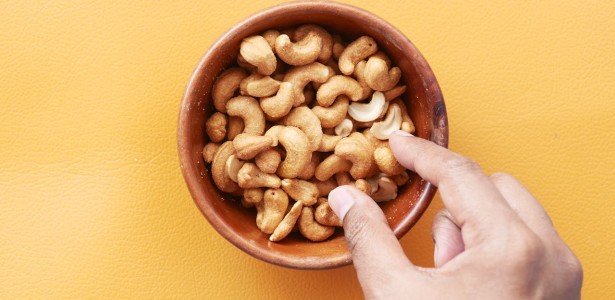
    Researchers performed an in vitro experiment simulating the gastrointestinal digestion process and its conditions regarding temperature, agitation, pH level, and enzymatic composition; after the assay, quantities of manganese and zinc remained below the detection limit (photo: Towfiqu barbhuiya/Pexels)

    Nutrition
    Organism absorbs little of the minerals from nuts, points a study that simulated human digestion

    An experiment conducted at the Federal University of São Paulo showed that only a fraction of copper and magnesium present in Brazil nuts and cashews is rendered available by the human body.

    2026-06-10PTES
    Nutrition
    Organism absorbs little of the minerals from nuts, points a study that simulated human digestion

    <img src="https://health.kporia.com/wp-content/uploads/2026/08/58328.jpg” alt=””>

    “The line of research I’ve been developing focuses on evaluating the actual nutritional value of the minerals present in the diet. In this context, we study foods of great economic importance in Brazil. Our group not only determines the total quantity [concentration] of elements present in foods, but also uses assays that simulate gastric and intestinal digestion processes on those samples,” explains Angerson Nogueira do Nascimento, a chemist, associate professor at UNIFESP, and coordinator of the study. It was conducted in partnership with the group led by Professor Dário Santos Junior.  

    With support from FAPESP, the researchers focused their investigation on two widely consumed oilseeds in Brazil. Their goal was to analyze the behavior of essential minerals during simulated human digestion while taking into account the action of gastric and intestinal juices, as well as the characteristics of the digestive tract.

    They evaluated four minerals: copper, which is important for red blood cell formation, energy production, and immune system maintenance; magnesium, which is essential for bone health and muscle function; manganese, which has antioxidant properties and plays a role in bone and connective tissue formation; and zinc, which is essential for the immune system, wound healing, and protein synthesis.

    After selecting the samples, the scientists determined the total concentration of these minerals in the nuts. They then assessed the bioaccessibility of the nutrients using an in vitro gastrointestinal digestion assay because the total amount of a nutrient present in food does not necessarily correspond to the amount absorbed by the body. 

    The researchers highlighted the difference between bioaccessibility and bioavailability. Bioaccessibility refers to the fraction of a nutrient that is released from the food matrix in the gastrointestinal tract and is available to be absorbed. Bioavailability, on the other hand, corresponds to the portion actually absorbed and utilized by the body, taking into account processes such as distribution, metabolism, and excretion. Bioaccessibility can be assessed in a laboratory through in vitro assays, but bioavailability requires studies with animals or humans. These studies demand significant resources and require approval from a research ethics committee.

    For the experiment, the researchers simulated the conditions of the human digestive system in a laboratory setting. This included controlling the temperature, agitation, pH level, and enzymatic composition. Then, they compared the results with the daily recommended intake of minerals.

    The results showed that approximately 56% of the copper and 52% of the magnesium in cashews were available for absorption after the simulated digestion process. However, manganese and zinc were found in insufficient quantities for reliable measurement (below the detection limit of the instrumental technique). 

    In Brazil nuts, approximately 50% of the copper and 28% of the magnesium were bioaccessible. Manganese and zinc remained below the detection limit after the test.

    Therefore, although the analyzed nuts contained considerable amounts of copper, magnesium, manganese, and zinc, only a portion of these elements is available for absorption by the human body.

    “The results demonstrated that assessing a food’s nutritional value shouldn’t be limited to total nutrient concentration. It’s also essential to investigate how these elements behave under conditions that simulate the digestive system to estimate their actual availability for absorption,” says Nascimento. 

    According to the researcher, the analyzed nuts should not be considered exclusiveand diverse diet in a complementary way

    The article “Nutritional contribution and bioaccessibility of essential elements in edible nuts” can be read at quimicanova.sbq.org.br/pdf/AR2025-0264.

    absorbs from little Minerals Organism
    Follow on Google News Follow on Flipboard
    Share. Facebook Twitter Pinterest LinkedIn Telegram Email Copy Link
    Admin
    • Website

    Related Posts

     Could GLP-1 drugs finally put a price on crop nutrient density?

    By AdminOctober 8, 2026

    IQ Health Enters the Nutraceutical Space with Reset, Bringing Targeted Nutrition for Skin, Body and Mind

    By AdminOctober 7, 2026

    3 vitamins and minerals that could help support your energy, immunity and wellbeing

    By AdminOctober 6, 2026

    Food Grade Calcium Hydroxide Market To 2035: Clean-Label Demand and Process Standardization Fuel Expansion – News and Statistics

    By AdminOctober 5, 2026

    Food Minerals Market Forecast to 2035: Growth Driven by Mandatory Fortification and Bioavailability Trends – News and Statistics

    By AdminOctober 4, 2026

    SuanNutra to acquire IFF natural ingredients & vitamins

    By AdminOctober 2, 2026
    Add A Comment
    Leave A Reply Cancel Reply

    Top Posts

    Supplements and Vitamins To Avoid With High BP

    August 7, 20265 Views

    The 8 healthiest beans you should be eating more often, according to nutrition expert

    August 7, 20265 Views

    how the controversial plant could be used for good

    August 7, 20264 Views

    Health Benefits of Bell Peppers

    August 7, 20264 Views
    Don't Miss

    Infant and young child feeding

    August 7, 20268 Mins Read1 Views

    In 2021, maternal and child malnutrition was estimated to be associated with 2.4 million child deaths annually or more than 50% of all child deaths (1). Early, exclusive and continued breastfeeding can prevent pneumonia and diarrhoea, which are amongst the leading causes of child death. Infant and young child feeding is a key area to improve…

    Why Goji Berries Are So Good for You

    August 7, 2026

    Urban living linked to slightly healthier diets but also higher overweight and obesity among adolescents in Viet Nam

    August 7, 2026

    Not all fruits and vegetables are equal when it comes to heart health, our research shows

    August 7, 2026
    Stay In Touch
    • Facebook
    • Twitter
    • Pinterest
    • Instagram
    • YouTube
    • Vimeo

    Subscribe to Updates

    Get the latest creative news from SmartMag about art & design.

    About Us

    At Kporia Health, our mission is to help people make healthier choices by providing reliable, easy-to-understand, and informative content about nutrition, wellness, and healthy living.

    We believe that maintaining good health starts with knowledge. Our platform is dedicated to sharing valuable information about the benefits of fruits, vegetables, herbs, vitamins, minerals, and other essential nutrients that support a healthy lifestyle.

    Facebook X (Twitter) Pinterest YouTube WhatsApp
    Our Picks

     Could GLP-1 drugs finally put a price on crop nutrient density?

    October 8, 2026

    Balancing nutritional adequacy and health benefits

    October 8, 2026

    7 Healthy Winter Squash to Try This Fall Season

    October 8, 2026
    Most Popular

    Not all fruits and vegetables are equal when it comes to heart health, our research shows

    August 7, 20260 Views

    Greek yogurt: Health benefits, protein content, and how to choose the best option

    August 7, 20260 Views

    How To Eat Well When Every Dollar Counts

    August 7, 20260 Views
    • About Us
    • Contact Us
    • Terms & Conditions
    • Privacy Policy
    • Disclaimer

    © 2026 health.kporia.com. All rights reserved. Designed by DD.

    Type above and press Enter to search. Press Esc to cancel.