

Ayurveda, the traditional medicine of India, offers natural remedies for both health concerns and beauty needs. One of the many versatile Ayurvedic herbs is haritaki.
What is haritaki?
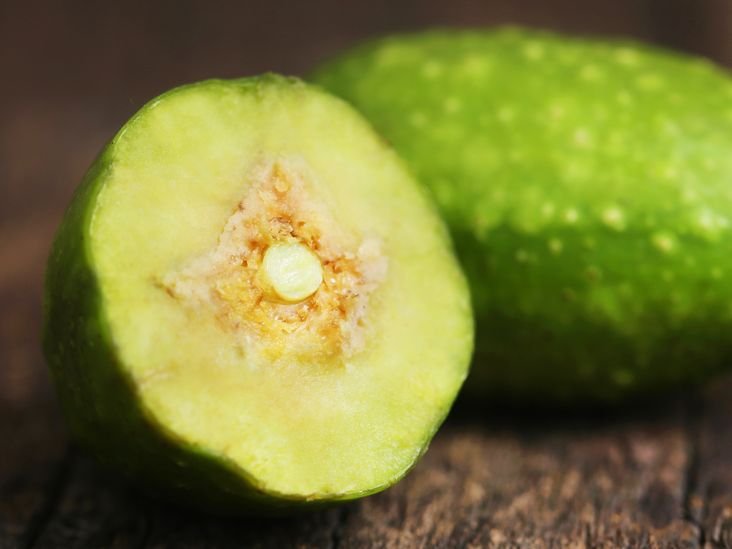
Technically, the fruit of the deciduous myrobalan plum tree, haritaki, is considered an important herb in Ayurveda and Siddha medicine, both indigenous systems of medicine in India.
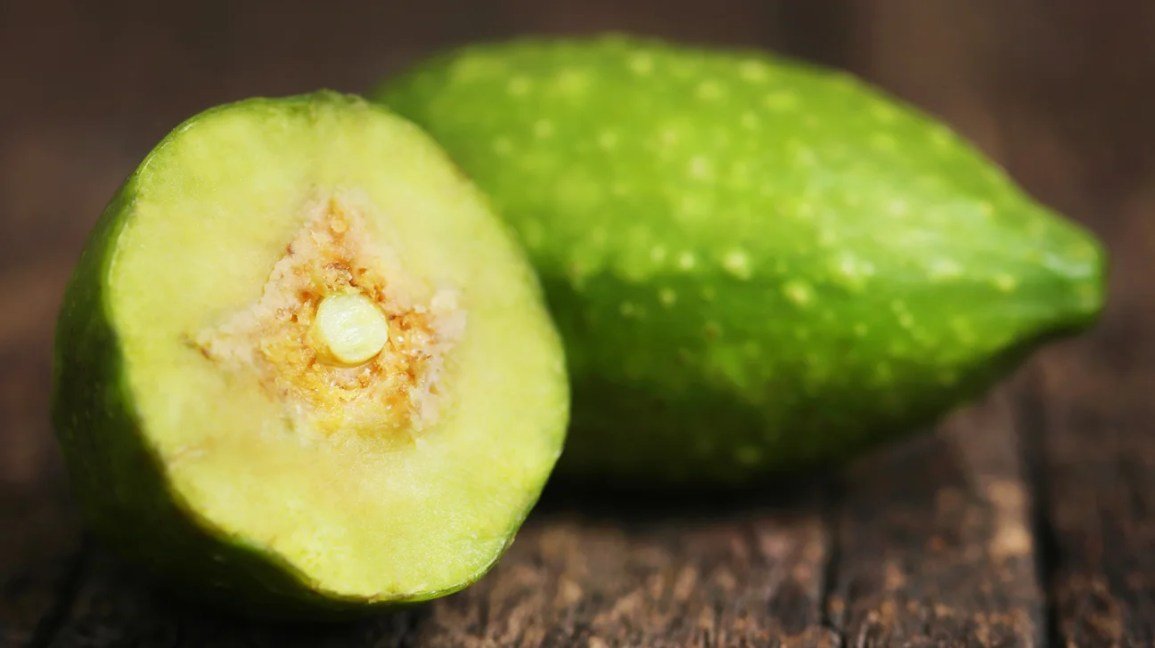
The fruit itself is small, oblong, and less than an inch in size.
The fruits are often collected when they’re still green and raw and then dried until golden brown or black. They’re then powdered and made into Ayurvedic remedies. The fruit’s potency depends on where it was collected, its color, and its shape.
- harad
- haradey
- kaddukki (in South Asia)
- kayakalpa
In Tamil, it’s called “kayakalpa,” a rejuvenator of the body that balances all the doshas, or humors. It’s often referred to as a “life-giving” herb.
Haritaki health benefits
Haritaki is prized in Ayurveda for its versatile health applications.
Vrinda Devani, OB-GYN and Ayurvedic practitioner of Banyan Botanicals and Ayurprana, says that haritaki balances all the elements, especially ether and air. The combination of ether and air is known as Vata dosha, which is said to cause 80 percent of all diseases in Ayurveda.
Devani notes that haritaki is also high in:
Practitioners of Ayurveda include it as part of treatment for a host of ailments, including both short-term and chronic health concerns.
Haritaki is one part of the Ayurvedic trifecta, known as triphala, which includes:
- haritaki
- bibhitaki
- amla (Indian gooseberry)
“To pacify the air element (Vata), take it with ghee, or clarified butter,” says Devani. “To pacify fire and heat (Pitta), you can take it with a little sugar. To pacify water and earth (Kapha), you can take it with a little rock salt.”
It’s important to always consult a qualified herbalist before you add any herb, including haritaki, to your health regimen.
According to Devani, haritaki is beneficial for:
- cough
- constipation, gas, and bloating
- indigestion
- detoxification
- weight loss
- skin disease
- metabolism
- immunity
- fertility
- libido
- cleansing
- supporting regular bowel movements
- nourishing and rejuvenating the tissues
“Haritaki is beneficial for a number of illnesses,” says Devani. “One of the unique things about haritaki is that as […] an herb that rejuvenates and nourishes all organs and tissues, it also supports immunity. It can support reproductive challenges like libido and fertility.”
Haritaki beauty benefits for skin, hair, and nails
As a rejuvenating and regenerative herb with antioxidant properties, haritaki is believed to have the potential to improve the health of the skin, hair, and nails.
According to 2019 research, haritaki may help address a variety of skin concerns recognized in Ayurveda, where it has long been used to support balanced, clear skin. Some of its key benefits include:
- removing excess oil
- cleansing pores
- reduce buildup of dead skin cells and impurities
Devani recommends using it specifically as a gentle skin cleanser or clarifying mask.
“Use it externally by making a paste with some water or rose water,” she says. “If it’s a little drying, add a few drops of oil.”
In Ayurveda, haritaki is sometimes used in hair care as a natural cleanser and scalp tonic that may help support hair strength and shine.
Nails
Haritaki is also sometimes used in Ayurveda to support nail health by helping keep nails clean and resilient.
Its natural astringent (a plant-based property that helps tighten and tone tissues) and antimicrobial properties are believed to help reduce buildup around the nail bed while supporting overall nail strength.
Types of haritaki
Haritaki is available in many forms in the marketplace. In addition to the versatile and popular powdered form, a haritaki paste and a jam-like preparation made with ghee or sugar syrup are also available.
Depending on the ailment, Haritaki may also be prescribed in tablet form or as an herbal oil. Different forms are prescribed based on the individual’s needs.
- Powder or churna. The most commonly available form of haritaki.
- Paste or Legiyam. Haritaki powder is mixed with water, ghee, or other herbs.
- Oil or thylam. Oils can be infused with haritaki and used on the skin, hair, and nails, as well as in food.
- Tablet. Tablets are a somewhat modern form of haritaki, designed for busy consumers accustomed to taking their medicines in pill form.
Banyan Botanicals offers high quality powdered haritaki as well as haritaki tablets.
Spiritual benefits of haritaki
According to ancient Hindu scripturesknown as the Vedas, a drop of nectar fell from Lord Indra’s celestial cup, and the haritaki tree sprouted.
The name haritaki can be interpreted as “that which embodies Hari,” or Lord Shiva, one of three Hindu gods responsible for the creation, upkeep, and destruction of the world.
As a cleansing and restorative herb, it’s included in holistic health care to address dosha imbalances. Many believe it plays a role in spiritual balance as well.
In Buddhism, haritaki is called “Big Golden Fruit” and represents a connection to the Buddha. It’s believed to embody the core value of Buddhism, compassion.
Haritaki is valued for its regenerative properties and its ability to treat many ailments. The Medicine Buddha, an important icon in Mahayana Buddhism, is depicted as holding a haritaki fruit in both hands.
Safety and precautions
Although haritaki is generally considered safe, some people should avoid it. Don’t take haritaki if you:
- are pregnant
- recently donated blood
- experience fatigue
- have diarrhea
- are dehydrated
- take anti-glycemic medications, like insulin or alpha-glucosidase inhibitors
Even if you aren’t experiencing one of the above, always talk with a qualified herbalist before taking haritaki.
Frequently asked questions
Want to learn more? Get the FAQs below.
How long does it take haritaki to work?
Haritaki may positively impact short-term conditions such as respiratory, digestive, or skin conditions when applied topically. For more chronic conditions, it may take a few weeks for Haritaki to have an impact.
Herbal medicine isn’t a one-and-done type of practice. Don’t expect herbs to work like taking aspirin or an antibiotic. They’re meant to work slowly over time with consistent use at proper dosages.
The time it takes for herbs to take effect varies depending on the dosage, the issue being treated, and lifestyle factors.
Can you take haritaki daily?
Generally speaking, haritaki is considered safe for everyday use, especially when taken in small doses and blends such as triphala.
Still, you should never take herbal medicine without consulting a qualified herbalist and your healthcare professional.
When should you take haritaki?
When you should take haritaki depends on your specific needs.
According to Devani, when using haritaki as a rejuvenating supplement, it’s best consumed in the morning.
If taking it as triphala, some prefer taking it at night to let the herbs do their work and prepare the digestive system for waking. “For cleansing benefits, night is preferred,” says Devani.
However, you should always speak with a qualified herbalist and your doctor about when and how much to take.
Is haritaki good for your liver?
Although there isn’t scientific research to support it, Ayurveda indicates that haritaki may help support the liver’s role in eliminating toxins from the body.
Still, always consult a qualified practitioner before taking haritaki for your liver.
Who shouldn’t take haritaki?
Pregnant women, recent blood donors, and individuals taking anti-glycemic or anti-diabetic drugs should avoid taking haritaki.
You should also avoid it if you’re excessively fatigued, have diarrhea, or are dehydrated.
Takeaway
Haritaki is an ancient Ayurvedic herb with a rich history that can be easily incorporated into modern health regimens. It may help with digestion and detoxification, as well as a number of health issues.
Always talk with a qualified herbalist and your healthcare professional before you begin taking herbs.
Nandita Godbole is an Atlanta-based, Indian-origin food writer and author of several cookbooks, including her latest, “Seven Pots of Tea: An Ayurvedic Approach to Sips & Nosh.” Find her books at venues where fine cookbooks are showcased, and follow her at @currycravings on any social media platform of your choice.
