

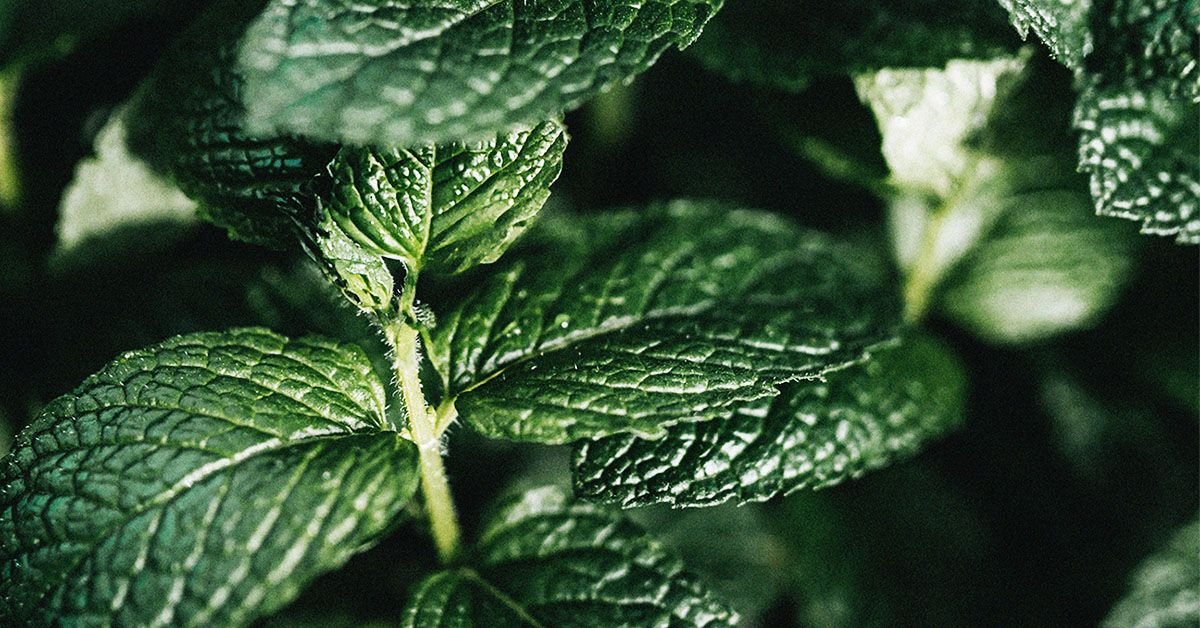
Mint is a popular herb that may possess potential benefits-of-limes/” title=”6 Health Benefits of Limes”>health benefits. This may include helping with digestive health, reducing allergic symptoms, and soothing common cold symptoms.
Mint or mentha belongs to the Lamiaceae family, which contains around 15 to 20 plant species, including peppermint and spearmint. It is a popular herb that can be used fresh or dried in many dishes and infusions. Manufacturers of toothpaste, gum, candy, and beauty products often use mint oil.
Using fresh mint and other herbs and spices in cooking can help add flavor and reduce sodium and sugar intake.
Throughout history, people have used different species of mint plants in medicine. Different types of mint plants offer a range of antioxidant qualities and potential health benefits, especially for people who have irritable bowel syndrome (IBS).
In this article, we provide a nutritional breakdown of mint and explain its possible health benefits. We also give tips on including more mint in the diet.
Possible benefits of mint
Mint may have several potential health benefits.
Managing gastrointestinal problems
Mint is a calming herb that people have used for thousands of years to help soothe an upset stomach or indigestion.
A found that placebo-controlled studies support the use of peppermint oil as a remedy for a range of gastrointestinal conditions, including indigestion, IBS, stomach pain in children, and feelings of sickness after surgery.
The review authors found that mint fights harmful microbes, regulates muscle relaxation, and helps control inflammation.
A from the same year assessed 12 randomized controlled trials and found that peppermint oil was a safe and effective intervention for pain symptoms in adults with IBS.
However, a of 190 people with IBS found that peppermint oil did not significantly reduce symptoms.
More research is necessary to confirm the benefits of mint products in managing IBS.
Reducing allergy symptoms
Mint plants contain an antioxidant and anti-inflammatory agent called rosmarinic acid.
A found that rosmarinic acid reduced symptoms of asthma when compared to a control group that did not receive a supplement.
The mint plant family provides a range of plant compounds that have anti-allergenic effects, according to a .
However, the content of mint extract in oils and ointments may be far stronger than dietary mint. There is very little research into the effect of dietary mint on allergy symptoms.
Soothing common cold symptoms
Mint contains menthol. This an aromatic decongestant that might help break up phlegm and mucus, making it easier to expel.
Applying menthol ointments or vapor rubs may be a treatment for children who have a common cold.
However, the American Lung Association (ALA) advises that scientific studies do not support the use of menthol for managing cold symptoms.
Despite this, some people may find that cold symptoms reduce after applying a menthol vapor rub.
The advises that peppermint oil may cause skin irritation and redness. They recommend that parents or carers do not apply the ointment directly to the chest or face of a child due to serious possible side effects after direct inhalation.
Effects on the brain
A 2022 study using mice found that sniffing peppermint essential oil improved their learning and memory. It also had other neuroprotective effects. Research in humans is necessary to determine whether it affects the human brain in a similar way.
A small examined the effects of smelling peppermint oil on anxiety. While in a hospital waiting room, 64 people with acute coronary syndrome had either a peppermint oil-soaked cotton ball placed nearby for one hour or a water-soaked cotton ball. The people smelling peppermint oil showed significantly less anxiety than those smelling water, suggesting that mint aromatherapy can help decrease anxiety.
Risks of using mint
Like many herbs, mint can adversely affect some people.
People with gastroesophageal reflux disease (GERD) should not use mint in an attempt to soothe digestive issues. According to a , mint commonly acts as a trigger for GERD symptoms.
Taking peppermint oil in large doses . It is essential to stick to the recommended doses of peppermint oil printed on the package label.
Pure menthol is poisonous and not for internal consumption. People should only ever apply it to the skin or a nearby surface, such as a pillow, to disperse fumes.
Do not apply mint oil to the face of an infant or small child, as it may cause spasms that inhibit breathing.
If people are taking medications, they can speak with a healthcare professional to determine whether they could interact with mint or mint oil.
Mint nutrition
A of fresh peppermint provides:
- 2.24 calories
- 0.12 g of protein
- 0.48 g of carbohydrates
- 0.03 g of fat
- 0.26 g of fiber
Mint also contains trace amounts of:
- potassium
- magnesium
- calcium
- phosphorus
- vitamin C
- iron
- vitamin A
While mint contains several nutrients, the amount a person would typically use in a meal is not sufficient to provide a significant amount of a person’s daily requirement.
Mint in the diet is most beneficial as a replacement for salty, sugary, or calorific flavorings. Mint ointments or supplements provide most of their benefits.
Summary
Mint is a tender herb that has many culinary uses and is easy to grow.
It may help improve gastrointestinal symptoms such as pain in conditions like IBS. People often use mint to ease nasal congestion and reduce allergy symptoms. More research is necessary into its benefits for the brain.
People can add mint to hot or cold drinks, add it to salads and salsas, and use it in hot dishes to add freshness.
