

Ultra-processed foods may not be as unhealthy as we thought
A 30-year study of more than 200,000 adults challenges a common assumption about ultra-processed foods and what matters most for long-term health.
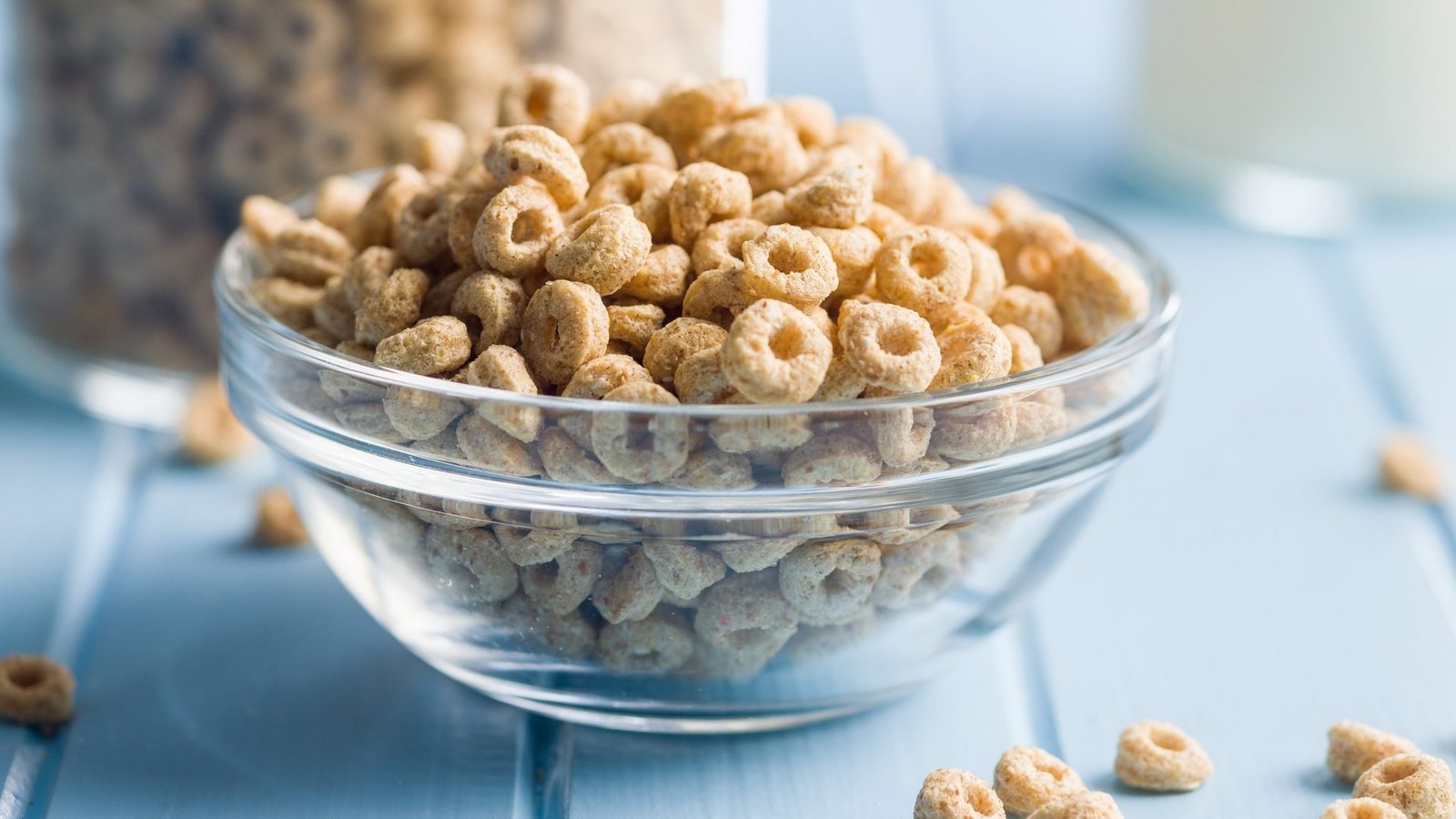
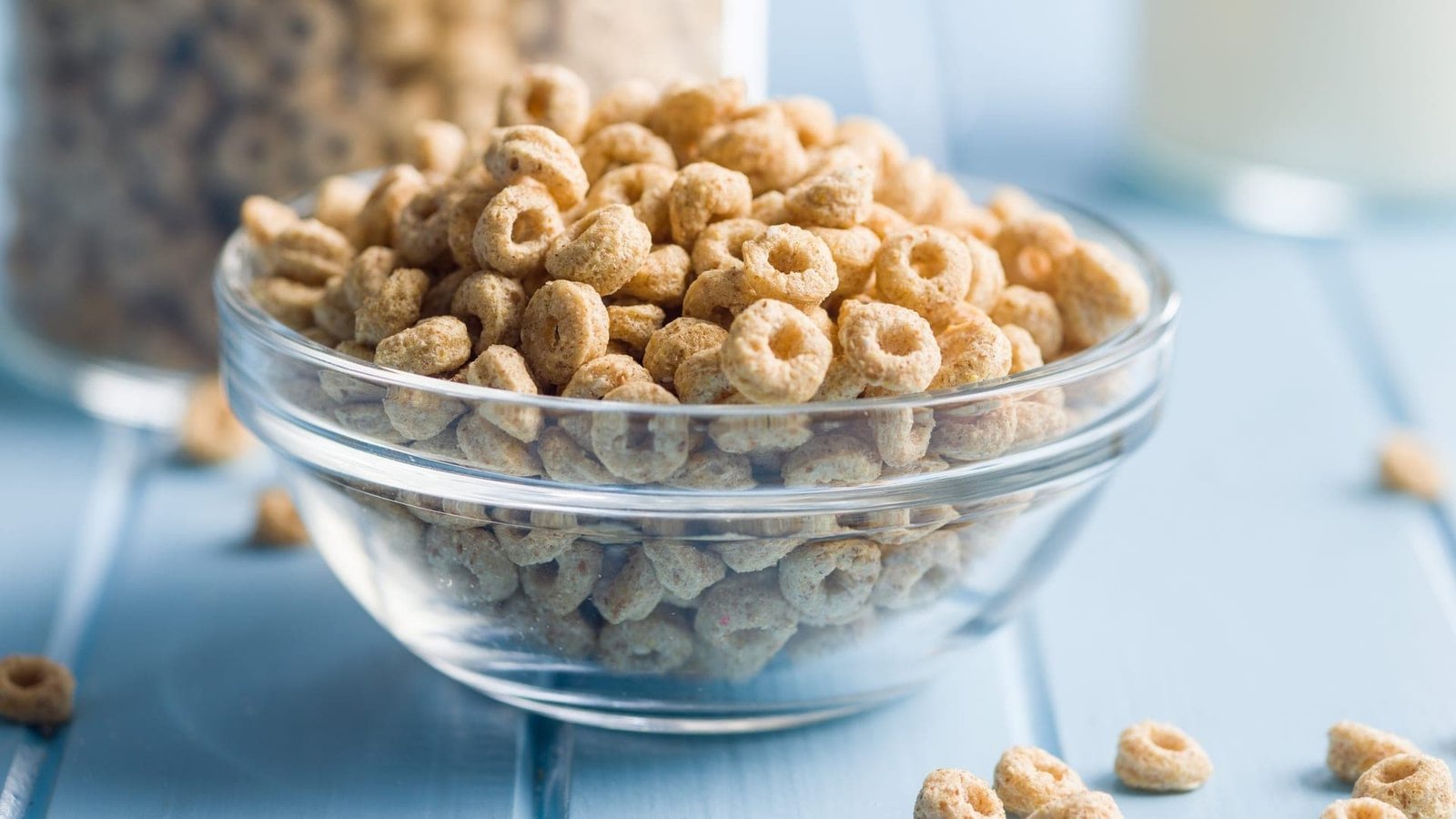
Canned beans, whole-grain breakfast cereal, and fortified soy milk carry the same ultra-processed label as soda, French fries, and packaged cake.
Across more than 200,000 American adults followed for three decades, Harvard researchers found diet quality tracked closely with heart disease, type 2 diabetes, and death.
Whether the food came out of a factory or a kitchen changed surprisingly little.
Xiaowen Wang, a postdoctoral research fellow in the <a href="https://hsph.harvard.edu/department/<a href="https://health.kporia.com/the-best-ireland-can-be-for-food-and-nutrition-security/” title=”The Best Ireland can be for Food and Nutrition Security”>nutrition/” rel=”nofollow noopener” target=”_blank”>Department of Nutrition at Harvard, ran the analysis. She presented it in July at a nutrition meeting, months before any journal will publish it.
The term comes from the Nova system, which sorts food into four groups by how much industrial processing went into it. Group four is the ultra-processed one, and it’s enormous.
Soda and packaged desserts belong to it, and so do canned beans, whole-grain bread, and breakfast cereals with vitamins added.
Nutritional quality and processing usually overlap, which is what makes them hard to separate. Plenty of packaged food is high in added sugar, sodium, and refined carbohydrates. People who eat a lot of it tend to score badly on diet quality too.
A 30-year U.S. analysis published in The BMJ in 2024 found a slight rise in the risk of premature death among the heaviest ultra-processed eaters. When the authors also accounted for overall diet quality, they found a weaker link.
In an interview with Earth.com, Wang was asked what a shopper confused by the label should look at instead.
“Rather than focusing only on whether a food is classified as ultra-processed, shoppers should pay more attention to its overall nutritional quality and how it fits into their overall dietary pattern,” she said.
Wang recommended buying more whole grains, fruit, vegetables, legumes, nuts, and healthy plant oils. Foods to limit are the ones high in added sugar, sodium, refined carbohydrates, and processed meat.
Studies tracked 200,000 adults
Wang’s team drew on the Nurses’ Health Study, which has followed women since 1976, its second edition, and the Health Professionals Follow-Up Study, which began enrolling men in 1986.
That came to 160,690 women and 42,585 men. None had cancer, heart disease, or diabetes at the start, and all of them filled out food questionnaires for the next three decades.
The researchers then scored every diet twice. One score rated how much of a person’s plant food was the healthy kind: whole grains, produce, nuts, beans, and plant oils rather than refined grains, potatoes, and sweets.
The second rated how much of that plant food was ultra-processed.
Using both scores, the team sorted everyone into four groups. Healthy and packaged looked like fortified cereal with plant milk and canned fruit. Healthy and barely processed looked like oatmeal, or lentil soup made at home.
The unhealthy half split the same way. Fast food, fries, and soda went on the packaged side. White rice, fruit juice, and cake baked at home with white flour went on the other.
Over the follow-up, 26,209 people developed heart disease, 21,006 developed type 2 diabetes, and 55,493 died.
Wang’s team compared the top fifth of scorers with the bottom fifth. On the healthy-and-packaged pattern, the top group had 14% lower risk of heart disease, 33% lower risk of type 2 diabetes, and 11% lower risk of death.
Run it on the healthy-and-barely-processed pattern and the figures come out at 18%, 34%, and 7%. Wang’s team treats those two sets as the same answer.
On type 2 diabetes, the gap between them is a single percentage point.
“These findings suggest that much of the health risk often attributed to ultra-processed foods may actually reflect differences in the nutritional quality of the diet rather than processing itself,” Wang told Earth.com.
She added a caveat. Not every ultra-processed food is healthy, she said, and nutritional quality should stay the first thing anyone weighs.
Risks among unhealthy eaters
People at the top of the unhealthy-and-barely-processed score had 21% higher risk of heart disease and 14% higher for type 2 diabetes than those at the bottom of it.
For the unhealthy-and-packaged score, the same two figures came out at 17% and 11%.
So the two groups finished close together, whichever way their food was made. If anything, the point estimates were slightly worse for the barely processed pattern.
On death, the two patterns did differ. People eating the unhealthy-and-packaged way were 7% more likely to die during follow-up. For the barely processed version, the difference was too small to separate from chance.
A 2017 analysis of the same three studies had already sorted plant foods this way.
Diets built on whole grains and produce tracked with much lower heart disease risk, while diets built on refined grains, potatoes, and sweets did the opposite. What Wang’s team added was a separate score for how the food was made.
Diet quality is the priority
Asked by Earth.com whether dietary guidelines should change, Wang didn’t call for a rewrite. Guidelines should go on putting diet quality ahead of processing level, she said.
They should keep steering people toward patterns with strong evidence behind them, such as healthy plant-based eating or a Mediterranean diet.
Processing level is still worth knowing, since many ultra-processed foods really are nutritionally poor. What she objects to is treating the whole category as one block.
“However, policies that classify all ultra-processed foods as equally unhealthy may oversimplify the evidence,” she said.
She would also press manufacturers to improve packaged products, adding fiber and whole grains and cutting added sugar, sodium, and unhealthy fats.
Why the findings are still preliminary
The findings are preliminary and have not yet undergone peer review, according to the American Society for Nutrition.
The three studies also aren’t a cross-section of the U.S. population.
Participants were health professionals who reported their own diets over time.
The study can show associations between eating patterns and health outcomes – not prove that one caused the other.
“Food processing exists on a spectrum, and processing itself is not inherently harmful,” Wang said.
For example, she noted, some processing can improve food safety, extend shelf life, or add nutritional value through fortification.
Wang presented the research at NUTRITION 2026.
Like what you read? Subscribe to our newsletter for engaging articles, exclusive content, and the latest updates.
Check us out on EarthSnap, a free app brought to you by Eric Ralls and Earth.com.
