

6 Lavender Benefits and How To Use It
Search
AdvertisementAdvertisement
November 25, 2024/Living Healthy/Wellness
6 Lavender Benefits and How To Use It
This purple perennial has many uses, including sleep hygiene, reducing inflammation and pain, and elevating mood
Image content: This image is available to view online.
View image online(https://assets.clevelandclinic.org/transform/20d20ef3-01d2-449c-b84e-9ee1d42698fc/lavender-157339412)
If you’ve ever browsed the scented candle or air freshener aisle at the store, chances are you’ve seen a lotof lavender fragrances.
Cleveland Clinic is a non-profit academic medical center. Advertising on our site helps support our mission. We do not endorse non-Cleveland Clinic products or services.Policy
Aside from its purple blossoms, this perennial plant — meaning it regrows every year — is known not only for its calming scent, but also for its possible health benefits.
“That trademark smell comes from oil in the flower, which has medicinal properties. But the flower itself has medicinal properties, too,” explains integrative medicine specialist Yufang Lin, MD.
Dr. Lin explains what lavender is good for, its different forms and how to use it effectively.
What is lavender?
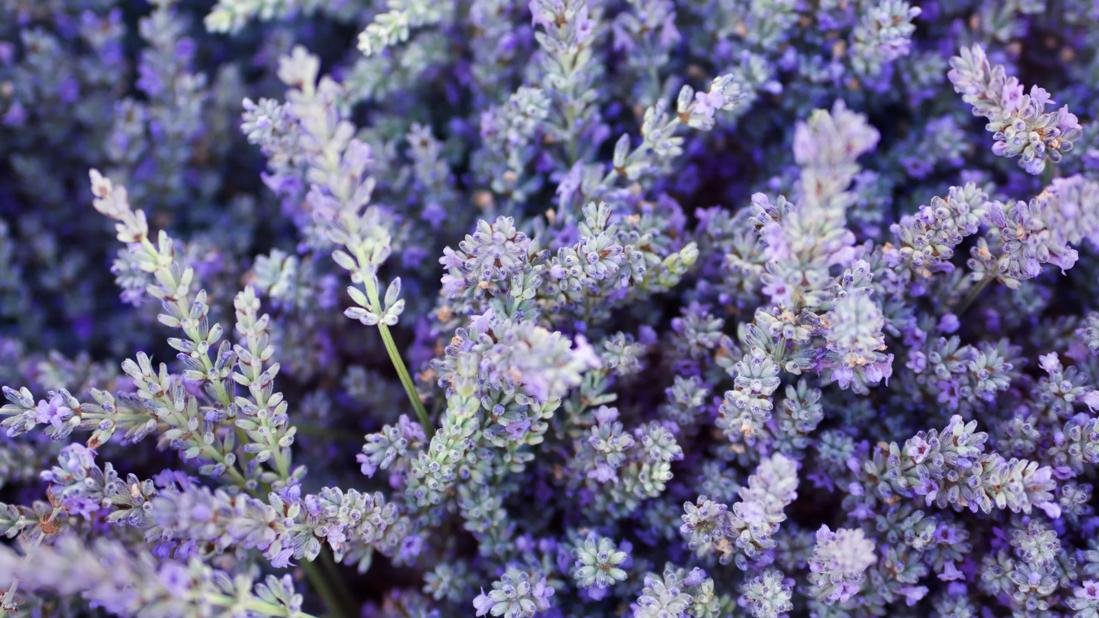
Lavender, a type of herb, is famous for its lovely purple or bluish flowers that usually grow in fields. You can recognize these tiny flowers by their bright color, as well as by their tall stems and narrow, green leaves.
Many people grow lavender in their backyards or even on their window sills — making it a good beginner plant for those of us who don’t quite have a green thumb yet.
The scent of lavender is probably what makes it such a popular plant. The fragrance that lavender gives off is often used in massage oils, essential oils, candles and diffusers.
What is the best form of lavender to take?
The short answer is: It depends.
“If you’re using lavender to improve mood, essential oil aromatherapy is the way to go,” suggests Dr. Lin. “If you’re using it for muscle pain or soreness, apply lavender-infused massage oil directly to the area of discomfort.”
You can use lavender in these forms:
- Essential oil
- Extract
- Plant (flower, stem and leaves)
- Tea
But she adds that lavender tea may give you the most bang for your buck. “The act of making it is in itself a form of self-care. It gets you into a ‘me-time’ mindset. Then, as you drink it, you get both the aromatherapy and herbal part of the lavender.”
The benefits of lavender
Lavender has long been considered a jack-of-all-trades in the world of herbal health treatments. That’s because the plant’s parts contain different chemical compounds that can positively affect your body.
From its ability to boost your mood to reducing colic symptoms, Dr. Lin shares lavender’s eclectic list of potential benefits:
Supports sleep
Because of its calming scent, many people find benefits from using lavender-infused fragrances before bed as a form of aromatherapy. A 2019 study even suggests lavender can improve your body’s melatonin levels, supporting a better night’s rest.
Reduces pain and inflammation
Another benefit of lavender that has been explored is its anti-inflammatory properties.
“One of the chemical compounds in lavender include flavonoids, which are also found in vegetables and fruits, and coumarin. Both have anti-inflammatory and antioxidant actions,” explains Dr. Lin.
Lavender may also help ease aches and pains. A 2012 study found that inhaling lavender essential oil for 15 minutes can help reduce migraine headache pain.
Helps with mood, anxiety and depression
There’s a reason that lavender has a reputation as a calming plant.
“Lavender is known for its ability to calm your nervous system, lift your mood and even lower blood pressure,” Dr. Lin points out. “For example, lavender essential oil contains important compounds such as linalool, which has been shown to reduce anxiety and lower blood pressure.
“Research links lavender usage to less anxiety and depression,” she adds. One randomized trial from 2020 found that breathing in lavender essential oil for 30 minutes helped improve levels of anxiety, depression and stress in older adults.
A 2023 study also found that people felt less anxiety before going through an MRI test after inhaling lavender aromatherapy.
Relieves menstrual pain
Another possible benefit of lavender is helpingreduce menstrual pain. In one 2016 study, women who smelled lavender for 30 minutes a day during the first three days of their period reported less pain after two months. Other research has also linked applying lavender essential oil to the abdomen with less menstrual pain.
Kills harmful viruses and bacteria
Lavender can also be used as a natural cleaner. “Before we had antiseptics, people used lavender to clean hospital wards,” shares Dr. Lin. “It’s still used for its antimicrobial and antiviral properties.”
Additionally, one nonhuman study found that lavender oil aided wound healing by improving the skin’s ability to produce collagen post-surgery.
Reduces colic symptoms
A 2012 study found that aromatherapy massage using lavender oil was effective in reducing colic symptoms in infants, including lessening how long they cried.
How to use lavender
Lavender comes in many forms and can help with a variety of health concerns. Here’s how you can use different forms of lavender:
Essential oils
The sky’s the limit when it comes to uses for lavender essential oil. Essential oils are concentrated plant extracts. Because they’re so strong, use them sparingly and with care.
Dr. Lin suggests trying a few drops of lavender essential oil in:
- Baths
- Distilled water to make a room or body spray
- Massage oil
If you plan on using lavender essential oil on your skin, Dr. Lin notes the importance of diluting it with another oil. Good oils to use are ones you aren’t allergic to and might include:
- Almond oil
- Coconut oil
- Jojoba oil
- Olive oil
- Add enough essential oil to your base oil so it falls between 1% (six drops of essential oil per ounce) and 2% (12 drops of essential oil per ounce) of the mixture.
- Shake it.
- Apply it anywhere, except around your eyes.
How to clean with lavender essential oil
Lavender essential oil can also be a natural way to get rid of bacteria around the house. Plus, its fragrance will help make your home smell like a field of lavender — who doesn’t want that?
“To make a homemade cleaning solution, add a few drops of lavender essential oil to distilled water, some vinegar and a few drops of castile soap. The vinegar and soap help cut grease, and the soap and lavender have antimicrobial properties,” explains Dr. Lin. “You also get that beautiful scent.”
How to use lavender extract
If you’re looking to use lavender extract directly from the plant, Dr. Lin has some pointers for this as well.
“Lavender essential oil does not include the water-soluble part of the plant. When you make lavender extract, you use both the oil- and water-soluble parts of the plant,” says Dr. Lin. “With lavender extract, you take the flower and cover it with some form of liquid, usually a combination of water and alcohol, to extract the medicine out.”
You may have seen lavender extract in pill form, too, but this method should be avoided unless you’re working with a well-trained herbalist. “You have to be sure you have the proper dose,” she stresses, “because it’s so strong and toxicity is possible. You should never take extract pills unless you are under the supervision of a well-trained herbalist who knows how to use it properly.”
How to use the lavender plant
If you’re a gardener, you can grow lavender in your backyard. Or you can pick up some sprigs of fresh lavender at your local greenhouse or plant shop. Dr. Lin says just breathing in the fragrance of a lavender blossom provides some benefits.
You can also get extra crafty with using lavender plants. To enjoy them as aromatherapy, use the flowers to make:
- Lavender soap
- Lavender-infused oil for your skin
- Sachet or potpourri bag
- Scented bath
- Tea
She also suggests using dry or fresh lavender flowers in your cooking. “Lavender is an ingredient in the French spice mixture, herbs de Provence. But be careful how much you use. Too much lavender can make food or tea taste soapy.”
Potential side effects of lavender use
While experts consider lavender generally safe, Dr. Lin advises these three cautions:
1. Lavender aromatherapy isn’t for everyone
First, it’s good to be mindful that everyone might react to different fragrances differently. “Essential oils often work so well because they trigger an emotional memory,” explains Dr. Lin.
“For most people, lavender is calming and soothing. But for some, the smell may be associated with a negative experience. If they smell lavender, it may take them back to that place. So, if lavender is triggering for you, don’t feel forced to use or try it.”
2. Potential link between lavender oil and premature breast development
In one study, three young girls and one young boy with premature breast development had been exposed to lavender oil, including in a soap, cologne or diffuser. When they stopped using the product or removed exposure, the breast development went away.
At the same time, “It’s important to note that there are subsequent studies that questioned the validity of this one. These products may also have contained estrogen disruptors, so we don’t know for sure whether it was the lavender or another ingredient in the product,” clarifies Dr. Lin.
“So, take this finding with a grain of salt and consider limiting how much lavender you use for developing children.”
3. Taking lavender essential oil by mouth can be dangerous
There are a lot of ways to take lavender and a lot of forms it can come in — but essential oils and your stomach do notmix.
“Traditional herbalists would not use lavender essential oil orally,” states Dr. Lin. “When you use the lavender plant as food or tea, you’re less likely to have a toxic effect because generally, it’s gentle. But because essential oils are so strong, I would be more cautious about using them with food or drink.”
She also notes that essential oils can burn and irritate your mucosa, the lining of your soft palate, throat and tongue. Seek out the help of an herbalist to safely explore the many positive impacts lavender can have on your life and health.
The bottom line
Lavender is more than just a pretty flower — it’s a plant with many health benefits. Its calming scent can help reduce stress and improve sleep. If you’re looking to improve your mood or sleep, using lavender-infused essential oils and teas may help you feel better.
If you’re unsure about how lavender may affect you, be sure to talk with an integrative medicine provider or trained herbalist before trying any new treatments.

Better health starts here
Learn more about our editorial process.
