

Share
Best Proteins for Blood Sugar Management
- Protein is an essential part of nutrition, helping to regulate blood sugar levels and maintain muscle mass.
- Adequate protein intake is particularly important for older adults with diabetes and people taking GLP-1 medications like Ozempic, which can lead to muscle loss.
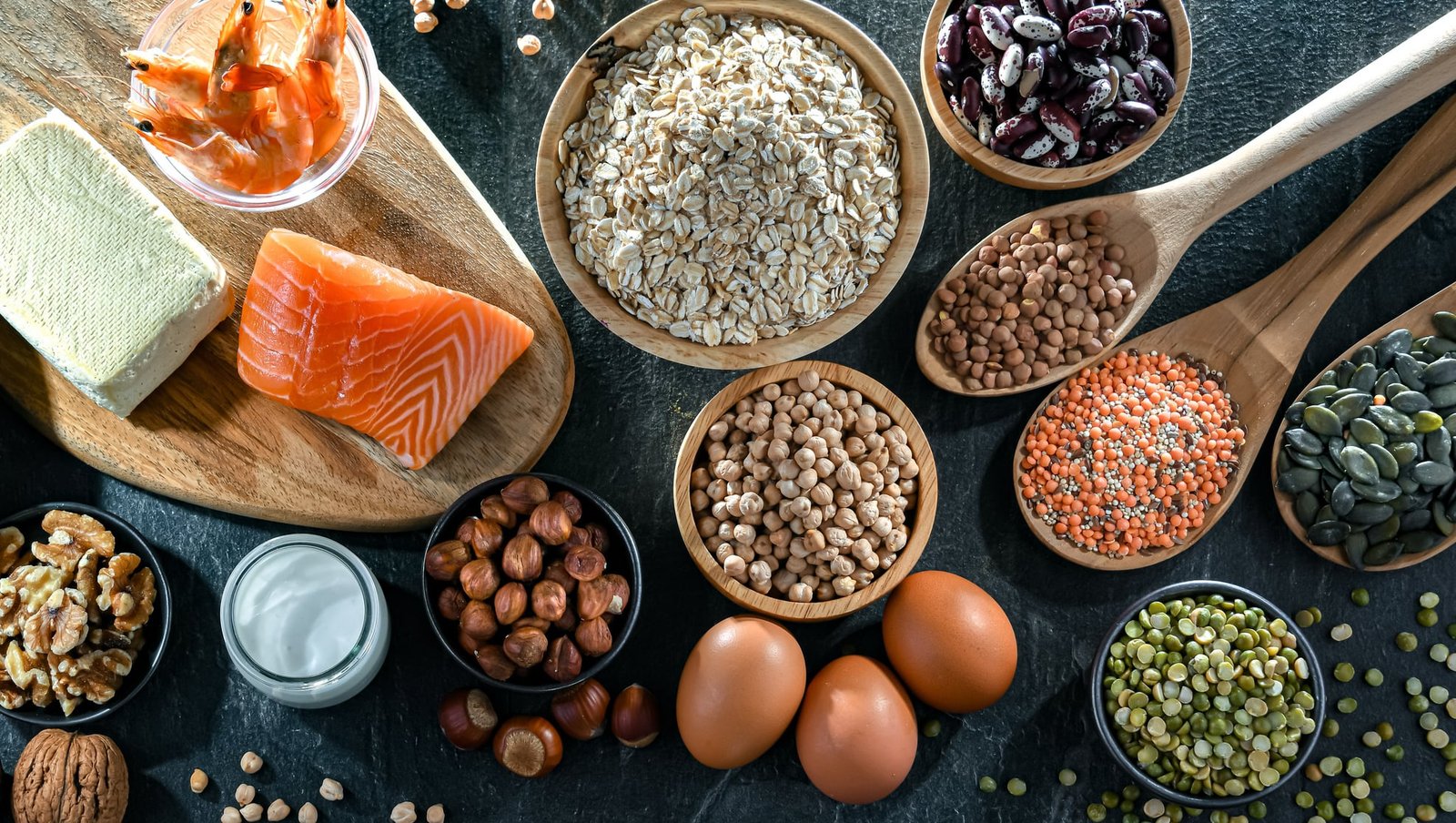
- Beans, legumes, eggs, lean meats, and seafood are all nutritious sources of protein for people with diabetes.
For people with diabetes, carbohydrates tend to dominate food conversations. It’s common to count carbs, dose for them, and watch how they spike blood sugar. But there’s another nutrient shaping glucose levels behind the scenes: protein.
Protein helps stabilize blood sugar by slowing down digestion and making you feel full longer. Unlike carbs, protein usually has a smaller impact on blood sugar and doesn’t cause rapid spikes. Here’s more about protein, and which protein-rich foods experts recommend for people with diabetes.
Why is protein important?
“Protein plays an important role in blood sugar management, especially for people with diabetes, because it affects how your body processes glucose, how full you feel, and how stable your energy levels are,” said Jennifer Smith, a diabetes educator at Integrated Diabetes Services who lives with type 1 diabetes.
“We find that people either don’t know proteinhey really have no idea how much is needed,” she said
That balance matters. Finding the right amount of protein can make a meaningful difference in blood sugar stability, energy levels, and even how sensitive your body is to insulin.
“Protein is one of the building blocks of the body,” explained Sherry Roberts, a diabetes educator at Blue Circle Health who also lives with type 1 diabetes. “It helps produce hormones, antibodies, and enzymes, and can also affect glucose levels after meals.”
While carbohydrates tend to get most of the attention in diabetes care, protein plays a critical supporting role in making meals feel more balanced and predictable.
How much protein do you need?
Protein needs vary based on body size, activity level, and health goals. As a general guideline, Smith recommended:
- For general health: 1.0 g/kg/day
- For an active lifestyle: 1.2–1.6 g/kg/day
- For weight loss: 1.4–1.8 g/kg/day
For example, a person who weighs 154 pounds (70 kg) might aim for roughly 85-110 grams of protein per day to support an active lifestyle.
Rather than consuming most protein at one meal, Smith said it’s a good idea to distribute it across the day. Adequate protein intake is especially important for people with diabetes who are taking GLP-1 receptor agonists like Ozempic, since these medications can reduce appetite and overall calorie intake. While helpful for blood sugar management and weight loss, they also increase the risk of lean muscle loss, as any amount of weight loss results in less body fat and muscle.
Protein is also particularly important for older adults, who are more susceptible to age-related muscle loss (sarcopenia). As muscle mass naturally declines with age, insufficient protein intake can accelerate this process, making blood sugar management more challenging and increasing the risk of falls and reduced independence. Consistent, adequate protein intake can help slow muscle loss and support healthier aging with diabetes.
Prioritizing protein also helps preserve muscle mass, which supports insulin sensitivity, strength, and metabolic health, Smith added.
6 proteins for people with diabetes
High-quality protein can support both blood sugar management and long-term heart health, but it’s important to consider what
“Choosing lean proteinhat can add extra calories and impact heart health,” Roberts said
In addition, preparation matters: for instance, baking, grilling, or steaming can avoid unnecessary added fats compared to frying. Here are some of the top protein
1. Beans and legumes
Often considered a superfood, beans are a double win for people with diabetes because they provide protein while also contributing fiber, which supports steadier blood sugar responses, Roberts said. Other nutrient-dense legumes beneficial for blood sugar include chickpeas, lentils, and peanuts.
2. Nuts and seeds
Aside from peanuts, which are technically a legume, nuts and seeds are a valuable plant-based protein option. They are a great on-the-go snack and are easy to incorporate into meals (a diaTribe favorite is chia seed pudding). They also serve as a good meat substitute; for example, subbing chopped walnuts and lentils for meat in a bolognese sauce – we swear, you won’t notice the difference. Keep in mind that portion size matters since nuts also contain fat, which can affect blood sugar later on.
3. Eggs
Eggs, especially egg whites, are an excellent, lean protein choice that offers nutrition without significantly impacting blood glucose. Unlike otherurated fat and contain other vital nutrients that support brain health
4. Lean meats
Lean meats like chicken breast, turkey, and pork tenderloin provide high-quality protein without excess saturated fat, making them ideal everyday options. When it comes to red meat, the key is moderation and avoiding fattier cuts. Regular consumption of ultra-processed meats like bacon and hot dogs can be detrimental to blood sugar and may also increase the risk of cancer and other health problems.
5. Seafood
Seafood is generally healthy, but some types are more nutritious than others. Roberts said salmon, tuna, and cod are all examples of healthy seafood that deliver protein along with heart-healthy fats, which is especially important for long-term cardiovascular health in diabetes. Keep in mind that larger, predatory fish like swordfish may contain high levels of mercury, which can be harmful to overall health if eaten regularly.
6. Cheese and dairy
Dairy products like cheese and yogurt can fit into a diabetes-friendly diet, but it’s important to be mindful of fat content and choose lower-fat options when possible. It’s always a good idea to read nutritional labels, as a lot of dairy products contain added sugar. The best options for blood sugar are unsweetened, low-carb products like Greek yogurt. There are also now many plant-based dairy options that contain protein and won’t spike blood sugar.
Protein bars, powders, and on-the-go options
Whole foods are generally the best way to get protein because they also provide vitamins, minerals, and fiber, Roberts said.
“That being said, protein powders or bars can be helpful in certain situations, but they should be used thoughtfully, since many contain added fats or carbohydrates that can affect blood sugar,” she said.
Again, this is where reading the nutritional label comes in handy. If most of the ingredients, say about 90%, are recognizable whole foods (like nuts, seeds, egg whites, or animal-based proteins), bars or shakes can be reasonable options for an occasional snack or quick meal, Smith explained.
However, she cautioned that they shouldn’t be used as frequent meal replacements. Keep in mind that many protein bars and supplements are marketed as “healthy,” but contain added sugar and other ingredients that may impact blood sugar.
Maximizing the health benefits of protein
When protein is eaten alongside carbohydrates, it slows down how quickly food is digested.
“This is why meals with balanced protein and carbs tend to be easier to manage than carb-only meals,” Smith said.
Protein also takes longer to digest than carbohydrates, providing steadier energy between meals.
“For people using insulin, this can mean fewer unexpected lows,” Smith added.
Meals that include a mix of carbohydrates, protein, and fat generally have a lower overall impact on blood sugar than carbs alone. For example, white toast by itself may cause a fast spike, while toast paired with eggs leads to a slower, smaller rise, making insulin timing and dosing more manageable.
In addition, adequate protein intake supports muscle maintenance and growth, helping the body use insulin more efficiently and improving sensitivity, Smith said.
It’s important to note that protein can also have delayed effects on blood sugar, particularly for people with type 1 diabetes and those with type 2 diabetes who use insulin, Smith added. A portion of protein can be converted into glucose through what’s called gluconeogenesis, she said, which sometimes causes blood sugar to rise two to five hours after eating.
“This is why high-protein or high-fat meals may lead to ‘late highs’ and sometimes require extended or split boluses,” Smith said. Any insulin adjustments should always be discussed with a healthcare provider, she said.
The bottom line: Include protein regularly
Spreading protein intake evenly across the day helps the body use it more efficiently. Many people eat very little protein at breakfast and most of it at dinner, Smith said, but she advised that aiming for 20-30 grams per meal (or more for very active individuals) can support muscle maintenance, appetite control, steady energy, and glucose stability.
“For most people managing blood sugar, a good rule of thumb is to include a
Keeping these basics in mind can help protein work as a powerful tool for making meals more predictable, energy more stable, and blood sugar management a little easier day to day:
- Protein at every meal
- Protein paired with carbohydrates and fiber
- Roughly 20-30 grams per meal
- Mostly whole-food protein sources
- Protein-based snacks, when needed
- Adequate hydration
“Getting the most benefit from protein isn’t just about eating more of it,” Smith said. “It’s about timing, quality, balance, and consistency.”
Learn more about nutrition and diabetes here:
- 8 Foods That Won’t Spike Blood Sugar
- What To Eat With Diabetes
- The DASH Diet: A Heart-Healthy Eating Plan
