

Research suggests that aromatherapy with some essential oils may help promote relaxation and relieve anxiety.
Essential oils are scented liquids that manufacturers derive from plants, flowers, and fruits.
This article discusses some of the best essential oils to try for anxiety and the evidence supporting their use. It also covers how to use essential oils, oil blending, risks and considerations, and when to contact a professional for anxiety.
Bergamot orange
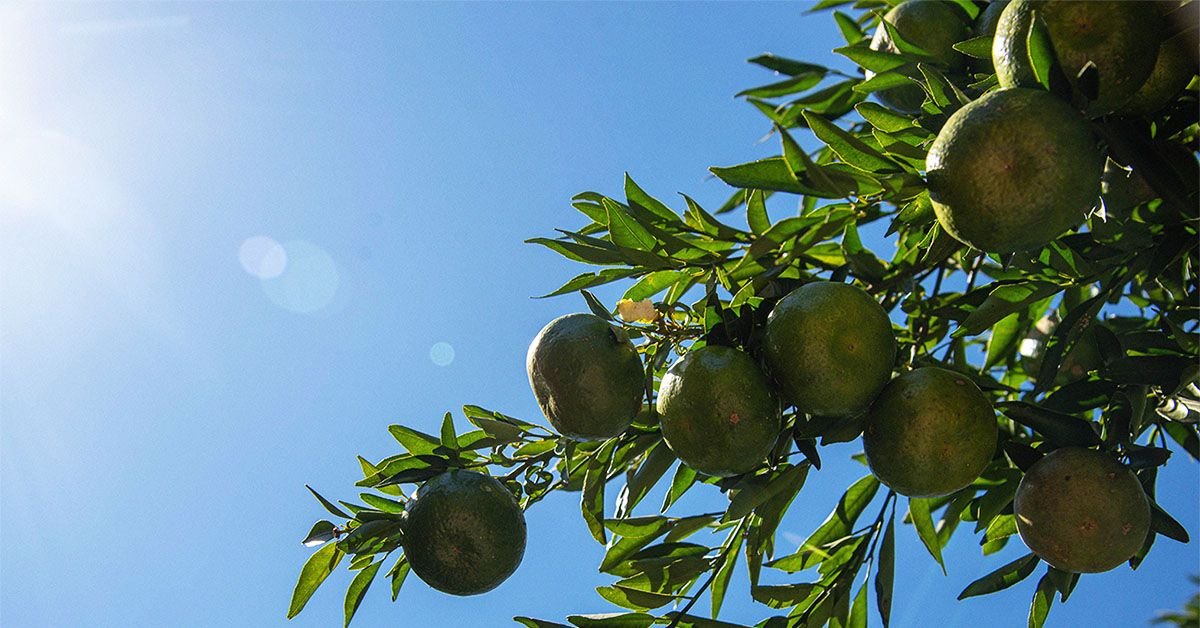
Bergamot orange essential oil comes from the Citrus bergamia tree. Producers extract the oil by cold-pressing the rind of the oranges. Bergamot orange is a popular aromatherapy oil for relieving anxiety.
A 2017 study on rats found that bergamot orange oils may help to reduce anxiety associated behaviors. However, the study authors also note that more research is needed on the effectiveness of bergamot orange essential oils in aromatherapy.
Another study from 2020 found that the use of bergamot orange oil before a surgical procedure helped to reduce anxiety in individuals. The study suggests that bergamot orange essential oil may be an effective complementary treatment to help ease anxiety before surgery.
Chamomile
Chamomile is a daisy-like herb. Manufacturers use steam distillation to extract a fruity, sweet-smelling essential oil from the flowers of this plant.
According to the (NCI), a 2-week clinical trial investigated the effects of massage with Roman chamomile oil in people with cancer. The study found that massage with this diluted oil helped decrease anxiety and other symptoms more than massage alone.
Read about chamomile and other herbs for anxiety.
Clary sage
Clary sage is a medicinal herb that many people believe to have anxiety-relieving properties.
A small looked at the effects of clary sage on mood and pulse rate. The study found that the use of clary sage helped to decrease the pulse rate in both males and females when it was inhaled. When the oil was put on the skin, pulse rates decreased over time in males.
The authors of the study note that based on their findings, the application method of clary sage and the sex of the individual may affect the effects on pulse rate.
Learn more about clary sage oil.
Lavender
Lavandula angustifolia is a purple flowering plant with a fragrant scent. Aromatherapists commonly use essential oils from lavender, claiming that they have anti-inflammatory, muscle-relaxing, and anxiety-relieving properties.
According to a , several clinical trials suggest that aromatherapy with lavender oil can help reduce anxiety before surgery and cosmetic procedures as well as during a stay in an intensive care unit.
However, the authors also emphasized the limitations of the current evidence base.
Read about lavender oil products for anxiety.
Lemon
Essential oil from lemon rind or leaves has a rich citrus scent.
A 2022 study looked at the use of lemon oil in nursing students with test anxiety. The study found that inhaling lemon oil before a test helped to reduce feelings of anxiety.
Lemon oil may be a cost-effective and useful non-pharmacological way to help manage symptoms of anxiety.
It is also worth noting that citrus essential oils increase sensitivity to sunlight. A person should protect their skin from all sun exposure when using lemon essential oil topically.
Neroli
Neroli, or orange blossom, essential oil comes from the bitter orange tree, or Citrus aurantium. Manufacturers typically extract the oil from the blossoms of this tree.
The scent of the oil is sweet and citrusy, and it may have anxiety-relieving properties. A looked at the effects of neroli oil on anxiety and pain perception during labor.
It found that using neroli oil during the labor process helped to decrease anxiety and perceived pain in the participants. The authors of the study note that neroli oil can be an effective non-pharmacological tool to use for anxiety and pain perception, especially during labor.
Read about essential oils and herbs for pain relief.
A of 13 clinical studies noted some of the effects of rose oil. The review found that rose oil can help with anxiety, depression, sexual dysfunction, and relaxation. The authors did note that there are few human studies on the efficacy of rose oil, however.
A 2019 clinical trial found that inhaling rose oil before surgical procedures, such as rhinoplasty, can help reduce the levels of preoperative anxiety in individuals.
Ylang-ylang
Ylang-ylang essential oil comes from the flowers of the Cananga odorata tree. Many aromatherapists believe that ylang-ylang oil can help reduce stress and anxiety.
In a small 2015 study involving 34 nurses, researchers found that aromatherapy with ylang-ylang did not have a significant effect on anxiety but did improve the participants’ self-esteem.
Learn about anxiety.
Other essential oils
The American College of Healthcare Sciences recommends some other essential oils for providing anxiety relief and lifting mood.
Although there is little scientific evidence to support these claims, some people may find aromatherapy with these oils beneficial.
- basil
- geranium
- grapefruit
- lime
- sandalwood
- sweet orange
Read more about essential oils.
Essential oils vs. CBD oil for anxiety
Cannabidiol (CBD) is part of the cannabis plant. Research has shown that CBD products, such as oils, can have positive effects on various medical and mental health conditions.
According to , CBD products have been found to be well-tolerated, safe, and have minimal adverse side effects. The research also notes that in some human trials, CBD showed positive effects on social anxiety disorder. In animal studies, it appeared to decrease anxiety, stress, and compulsive behaviors.
However, the authors of this research also state that while preliminary studies are positive, more research is needed to verify the efficacy of CBD products on other types of anxiety disorders.
Find out about CBD oils for anxiety.
How to use essential oils
Essential oils are very pure, concentrated oils. Many of these oils are toxic, so a person should not ingest them.
Most manufacturers will recommend diluting essential oils with a carrier oil, such as olive oil or sweet almond oil. Always read the label before using them and carefully follow the directions for diluting the oil.
A person may also wish to consider doing a patch test before applying essential oils to their skin or fabrics. Some may stain or cause skin irritation or an allergic reaction.
There are several different ways that a person can use diluted essential oils, such as:
- using the oils in special diffusers
- applying the oils to fabrics and soft furnishings, such as bedding, pillows, or cushions
- massaging the oils into the skin
- mixing oils in with bath salts or lotions
Oil blending
A person may wish to experiment with blending essential oils to create different fragrances and effects.
For example, a person can try blending bergamot, frankincense, and lavender essential oils with a carrier oil. Another blend option is mixing bergamot, lavender, and ylang-ylang oils with a carrier oil.
According to one , combining oils can help to mitigate some symptoms of various conditions. Each type of essential oil can affect a person differently. So, combining them may have varying effects to using them individually.
Risks and considerations
Pure essential oils are highly concentrated, and many are potentially toxic. For this reason, it is important to dilute them in carrier oil before use. Manufacturers usually provide advice on how best to dilute the essential oil.
Diluting the oil reduces the likelihood that it will irritate a person’s skin, eyes, or lungs. A person should never apply undiluted essential oils to their skin or eyes.
Signs of skin irritation or an allergic reaction to an essential oil can include:
- blotchy skin
- itching
- pain
- redness
Before applying the diluted essential oil to the skin, it is generally best to test it on a small patch of skin. If a reaction occurs, clean the skin with soap and warm water and stop using the oil.
When to see a doctor
Some people may find that essential oils can help promote relaxation and relieve stress.
However, chronic anxiety can have a detrimental effect on both a person’s mental and physical health. If anxiety significant distress or disruption to a person’s daily routine, they may wish to consider contacting a mental health or healthcare professional.
Symptoms of anxiety can include:
- difficulty sleeping
- irritability
- muscle tension
- avoiding public places
- wanting to stay at home
- trouble concentrating
There are many interventions that can help a person manage anxiety, including:
- psychotherapy, such as cognitive behavioral therapy (CBT)
- medications
- relaxation techniques, such as meditation, mindfulness, and yoga
- support groups
- lifestyle changes, such as stress reduction and regular exercise
Summary
Essential oils are scented liquids that manufacturers extract from a wide range of plants. Many people find that aromatherapy with certain essential oils can help promote relaxation and relieve stress and anxiety.
However, most of the scientific evidence to support the anxiety-relieving properties of essential oils comes from animal studies. To confirm and better understand these findings, researchers need to conduct more large-scale studies in humans.
When using essential oils, it is important to dilute them in an appropriate carrier oil first. Oils can sometimes cause skin irritation or allergic reactions, so a person should test them on a small patch of skin before applying them to larger areas.
