
Close Menu
Kporia Health

    Subscribe to Updates

    Get the latest creative news from FooBar about art, design and business.

    What's Hot

     Could GLP-1 drugs finally put a price on crop nutrient density?

    October 8, 2026

    Balancing nutritional adequacy and health benefits

    October 8, 2026

    7 Healthy Winter Squash to Try This Fall Season

    October 8, 2026
    Facebook X (Twitter) Instagram
    Kporia Health
    Facebook X (Twitter) Instagram
    Health Calculator
    • Home
    • Healthy Foods
    • Fruits
    • Herbs
    • Minerals
    • Nutrition
    • Vegetables
    • Vitamins
    Kporia Health
    Home»Minerals»Can a vitamin deficiency cause neurologic problems?
    Minerals

    Can a vitamin deficiency cause neurologic problems?

    AdminBy AdminSeptember 20, 2026No Comments4 Mins Read0 Views
    Facebook Twitter Pinterest Telegram LinkedIn Tumblr Copy Link Email
    Follow Us
    Google News Flipboard
    Can a vitamin deficiency cause neurologic problems?
    Share
    Facebook Twitter LinkedIn Pinterest Email Copy Link

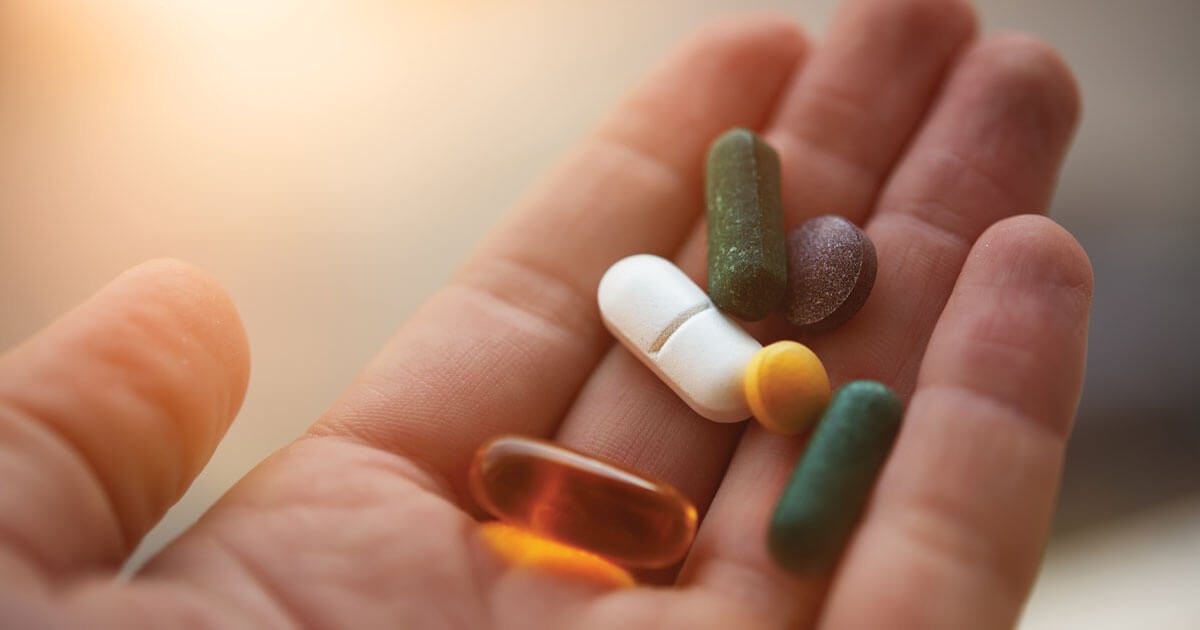
    Vitamin and mineral deficiencies can lead to a wide range of neurologic problems. Deficiencies are most commonly caused by malnutrition, including not getting enough to eat, not eating nutritious foods like fruits and vegetables, eating disorders, and extreme or fad diets. They also can occur because of certain diseases, such as cystic fibrosis, that affect absorption of vitamins and minerals.

    A deficiency of vitamin B12 can cause cognitive impairment and myeloneuropathy—damage to the spinal cord and peripheral nerves in the legs—resulting in difficulty walking, weakness, numbness, and poor coordination. Doctors recommend checking B12 levels, especially for anyone being evaluated for dementia or neuropathy. If caught early, the deficiency is treatable. The vitamin is abundant in red meat, chicken, eggs, and dairy. The recommended daily dose is 2.4 micrograms (mcg), according to US Food and Drug Administration (FDA) guidelines.

    Myeloneuropathy is also associated with a copper deficiency. Enzymes use copper to maintain the health of the spinal cord, insulating it so signals can be transferred between the brain and the rest of the body. Without sufficient copper, these enzymes don’t work as well, and signals are relayed less efficiently. Copper deficiencies may be due to genetic conditions such as Menkes disease or malabsorption syndromes—disorders in which the small intestine can’t absorb adequate nutrients and fluids. Copper deficiencies also can be seen after bariatric surgeries if patients do not take the necessary treatments prescribed by their health care providers. The mineral is found in liver, green leafy vegetables, and dark chocolate. The recommended daily dose is 1,400 mcg for men and 1,100 mcg for women, according to FDA guidelines.

    Low levels of vitamin D have been linked to an increased risk for multiple sclerosis. Research shows that this deficiency is associated with an increase in autoimmunity as well as susceptibility to infection. Salmon, sardines, herring, mackerel, red meat, liver, and egg yolks are all rich in vitamin D, so adding them to your diet will help. Sit in the sun for at least a few minutes a day: Sunlight helps the body convert vitamin D from food into a nutrient. People with limited access to sunlight may be advised to take vitamin D supplements. The daily dose recommended by the FDA is 20 mcg, or 800 international units.

    Vitamin E is one of the body’s main antioxidants. Insufficient levels can cause oxidative stress and contribute to nerve damage, resulting in numbness in the legs and arms, an inability to control body movements, speech difficulties, and peripheral neuropathy, causing a loss of reflexes in the legs. In ataxia with vitamin E deficiency—a degenerative disease of the nervous system that impairs walking, talking, and fine motor skills—the body cannot use vitamin E from food, which affects movement. Food sources of vitamin E include nuts, seeds, green leafy vegetables, and vegetable oils such as sunflower, olive, and coconut. The FDA recommends a daily dose of 15 milligrams.

    A deficiency of folate or folic acid during pregnancy can cause spinal malformations in a fetus by interfering with proper development of the embryonic neural tube. Folate may be diminished in people who have trouble absorbing it from their diets or who drink too much alcohol. It can be found in green leafy vegetables and citrus fruits. The FDA-recommended daily dose is 400 mcg for adults and 600 mcg for teens and pregnant women.

    To address a possible vitamin insufficiency, your doctor will assess any symptoms, such as difficulty with movements. Your doctor may determine if additional blood tests are needed to measure vitamin levels. Depending on the results, the physician may recommend taking oral supplements or adding specific foods.

    Most people should be able to get adequate vitamins and minerals from a well-rounded diet that includes produce, whole grains, fish, and dairy. Without a confirmed deficiency or problem absorbing certain vitamins and minerals, they typically don’t need supplements.

    Dr. Pressman is assistant professor of cognitive and behavioral neurology at the University of Colorado in Aurora, where he specializes in frontotemporal dementia and primary progressive aphasia.

    cause deficiency neurologic problems vitamin
    Follow on Google News Follow on Flipboard
    Share. Facebook Twitter Pinterest LinkedIn Telegram Email Copy Link
    Admin
    • Website

    Related Posts

     Could GLP-1 drugs finally put a price on crop nutrient density?

    By AdminOctober 8, 2026

    IQ Health Enters the Nutraceutical Space with Reset, Bringing Targeted Nutrition for Skin, Body and Mind

    By AdminOctober 7, 2026

    3 vitamins and minerals that could help support your energy, immunity and wellbeing

    By AdminOctober 6, 2026

    Food Grade Calcium Hydroxide Market To 2035: Clean-Label Demand and Process Standardization Fuel Expansion – News and Statistics

    By AdminOctober 5, 2026

    Food Minerals Market Forecast to 2035: Growth Driven by Mandatory Fortification and Bioavailability Trends – News and Statistics

    By AdminOctober 4, 2026

    SuanNutra to acquire IFF natural ingredients & vitamins

    By AdminOctober 2, 2026
    Add A Comment
    Leave A Reply Cancel Reply

    Top Posts

    Supplements and Vitamins To Avoid With High BP

    August 7, 20265 Views

    The 8 healthiest beans you should be eating more often, according to nutrition expert

    August 7, 20265 Views

    how the controversial plant could be used for good

    August 7, 20264 Views

    Health Benefits of Bell Peppers

    August 7, 20264 Views
    Don't Miss

    Infant and young child feeding

    August 7, 20268 Mins Read1 Views

    In 2021, maternal and child malnutrition was estimated to be associated with 2.4 million child deaths annually or more than 50% of all child deaths (1). Early, exclusive and continued breastfeeding can prevent pneumonia and diarrhoea, which are amongst the leading causes of child death. Infant and young child feeding is a key area to improve…

    Why Goji Berries Are So Good for You

    August 7, 2026

    Urban living linked to slightly healthier diets but also higher overweight and obesity among adolescents in Viet Nam

    August 7, 2026

    Not all fruits and vegetables are equal when it comes to heart health, our research shows

    August 7, 2026
    Stay In Touch
    • Facebook
    • Twitter
    • Pinterest
    • Instagram
    • YouTube
    • Vimeo

    Subscribe to Updates

    Get the latest creative news from SmartMag about art & design.

    About Us

    At Kporia Health, our mission is to help people make healthier choices by providing reliable, easy-to-understand, and informative content about nutrition, wellness, and healthy living.

    We believe that maintaining good health starts with knowledge. Our platform is dedicated to sharing valuable information about the benefits of fruits, vegetables, herbs, vitamins, minerals, and other essential nutrients that support a healthy lifestyle.

    Facebook X (Twitter) Pinterest YouTube WhatsApp
    Our Picks

     Could GLP-1 drugs finally put a price on crop nutrient density?

    October 8, 2026

    Balancing nutritional adequacy and health benefits

    October 8, 2026

    7 Healthy Winter Squash to Try This Fall Season

    October 8, 2026
    Most Popular

    Not all fruits and vegetables are equal when it comes to heart health, our research shows

    August 7, 20260 Views

    Greek yogurt: Health benefits, protein content, and how to choose the best option

    August 7, 20260 Views

    How To Eat Well When Every Dollar Counts

    August 7, 20260 Views
    • About Us
    • Contact Us
    • Terms & Conditions
    • Privacy Policy
    • Disclaimer

    © 2026 health.kporia.com. All rights reserved. Designed by DD.

    Type above and press Enter to search. Press Esc to cancel.