

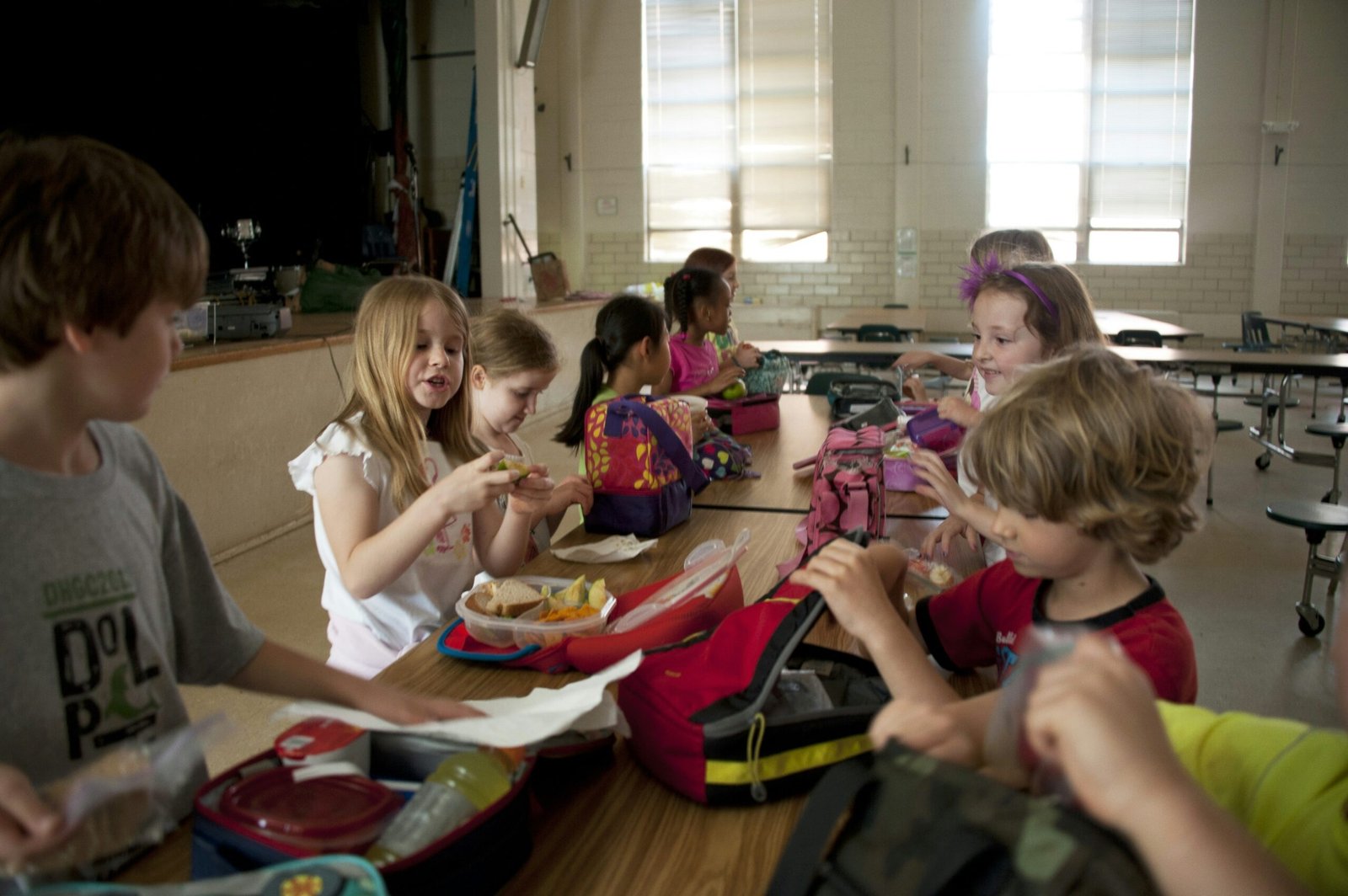
Czech ministers unveiled a draft on Nov. 25 that would replace 16 pages of consumption-basket tables with one page of binding rules. Instant, bouillon and powdered soups, palm and coconut fat, and table sweeteners would be banned, but caterers alone would decide how much meat, fish, dairy, vegetables, fruit and legumes about 1.6 million children get each day. The Education Ministry, which issues the decree, plans to send the text to the Government Legislative Council on Monday, Nov. 30, with no comment procedure beforehand.
What the page leaves out matters as much as what it bans. Every daily meal must include vegetables or fruit plusrt leaves quantities to operators, and the reported text sets no minimum amount of vegetables, fish or legumes
The binding text is also a partial step back from the government’s own announcement two weeks earlier. On Nov. 11, the Ministry of Health said the nutrition standards would become a non-binding methodological recommendation. Education Minister Robert Plaga said on Instagram on Nov. 24 that the new rules remain a “binding minimum.”
One page requires vegetables or fruit at every meal and bans dehydrated soups
The draft sets out what each daily meal contains, which products a canteen may not use and which drinks it may serve. Provisions as reported by ČTK:
| Area | Rule as reported |
|---|---|
| Daily meals | Must include vegetables or fruit, plus sources of fat, carbohydrate and protein |
| Banned foods | Instant, bouillon and powdered soups and other dehydrated products; palm and coconut fat; foods and drinks with table sweeteners |
| Kindergartens | Meat products and convenience foods banned; older children may get them once a month |
| Drinks | Water, unsweetened tea, unflavored milk and calcium-fortified unsweetened plant drinks; water and tea may be flavored only with fresh or frozen fruit or vegetables, or fresh herbs |
| Preparation | Fruit and vegetables served raw or heat-treated |
| Quantities and variety | Operators decide amounts of meat, fish, dairy, vegetables, fruit and legumes; no mandatory menu variety |
| Checking compliance | Menus and food purchase records, kept at least one year |
Basic food-quality rules and safe catering for special diets remain in force, Health Minister Adam Vojtěch said, according to Zdravotnický deník.
The decree itself is not repealed. The annexes defining the newer basket come out of it, and the State Health Institute’s (SZÚ) nutrition standards survive as a methodological recommendation. Plaga has said this is not a return to the old system.
Ban list checks ingredients but cannot see portion size
The change is a different kind of rule, not only a shorter one. The Ministry of Health describes the old basket as a tool that tracked only raw-ingredient quantities each month, counted peels and bones, and did not check nutritional quality. The updated version, according to the same ministry document, counts food by net weight and adds nutritional quality.
The one-page draft drops that accounting. Plaga said there will be no tables, coefficients or reporting, and that compliance will be visible directly from the menu.
That trade has an engineering logic. A composition test and an exclusion list can be verified from a menu and a stack of invoices, which is far less bookkeeping than coefficient-based quotas. But a check built on what is on the plate cannot see how much of it is there. A canteen could obey every ban and still serve small portions of vegetables, fish or legumes, because nothing in the reported text fixes an amount. That reading is an analysis of how the rule is built, not a finding in the reporting. For comparison, the updated basket, which had been due to become mandatory in September 2027, asks for fish every 14 days and, in non-selective menus, one or two meatless dishes a week. Under the one-page draft, menu variety is no longer mandatory.
A ban list also has a definitional limit. Dehydrated mixes and sweetener-containing products stand in for what nutrition researchers call ultra-processed food, a category that Codex and EFSA have not defined in a shared standard. A processed product that is not named on the list would not be caught. Neither ČTK nor Zdravé zprávy reports who inspects the menus and purchase records, or what penalties would apply.
Why instant soup, palm fat and table sweeteners landed on ban list
The explanatory report cites preliminary results from a State Health Institute situation analysis: 42% of canteens use dehydrated products and 48% serve sweetened drinks. The same report says canteens regard requirements as manageable. The analysis is described as preliminary, and none of the reporting reviewed gives its sample size or method.
On sweeteners, the closest international yardstick is the WHO’s 2023 guideline, which advises against using non-sugar sweeteners to control body weight or reduce disease risk, except for people with pre-existing diabetes. WHO’s review found no long-term reduction in body fat in adults or children, and it rates the recommendation conditional because the link to disease outcomes may be confounded. Instant soups are close relatives of instant noodles, which the Nova classification lists as ultra-processed. The causal case against ultra-processed food is still argued among researchers: most evidence is observational, and critics note that the category lumps together very different products.
How do Czech school lunch rules compare with US federal limits?
The US program works from numbers. Federal school meals are built around nutrient and calorie standards, and the Department of Agriculture’s 2024 rule caps added sugars at 10% of weekly calories by the 2027-28 school year and cuts lunch sodium by 15%. US lunches must supply one-third of recommended allowances of key nutrients, while Finland uses a model plate of food proportions and France sets content requirements such as a meat, fish or egg main course.
The Czech one-page text, as reported, is neither a nutrient system nor a portion system. It contains no nutrient limit and no portion floor, only a composition test, a ban list and a records requirement. The old basket was closer to a food-based system, with set amounts of raw ingredients, and the updated version added nutritional-quality rules on top.
Whether standards bind matters in practice, and international examples cut both ways. Binding rules can still be relaxed through exemptions, as with US whole-grain standards. Weak implementation can leave gaps: in China, 2017 data showed 48% of schools could not fully meet recommended nutrition standards.
Health institute chief fears convenience meals as prime minister trusts cooks
The draft divides officials and experts, though most reported positions predate the binding text and were aimed at the earlier non-binding plan.
In reporting published Nov. 12, Barbora Macková, director of the State Health Institute, said she doubts canteens will follow non-binding recommendations and fears children will get meals full of convenience products and flavor enhancers without needed nutritional value. In a Facebook post reported the same day, Prime Minister Andrej Babiš wrote that norms should be advisory, not mandatory, and, in the article’s paraphrase, trusts cooks, canteen managers and school principals to provide healthy meals without further state orders. The article says the demand for the change came from Babiš, who called it a pre-election promise.
The Association of School Canteens warns that without the basket, kitchen staff lose their argument against buying the cheapest semi-finished products. Parents’ Union chair Angelika Gergelová called the basket the only guarantee that the plate does not end up with just the cheapest food, as cited by Czech Television, and children’s ombudsman Martin Beneš rejects the change, according to news site arecenze.cz.
Others welcome looser rules. Most Prague school directors ČTK contacted welcomed non-binding norms. Blanka Reindlová, director of the Husova primary school in Liberec, said children sent back new-standard lunches when her school trialed them in September, and she welcomed the earlier non-binding plan. The Food Industry Chamber, which welcomed the planned changes, said the main measure is whether children actually eat the food. Agriculture Minister Martin Šebestyán, of the SPD party, plans to propose adding Czech, regional and organic food principles to the recommendations.
Binding minimum returns two weeks after ministers called standards optional
The timeline shows how fast the position moved. The updated basket entered the decree in September 2025, with a transition period until September 2026. In April 2026, the Education Ministry proposed pushing back the mandatory start by a year, to September 2027, and the chair of the Government Legislative Council exempted that draft from the interdepartmental comment procedure as a technical amendment.
On Nov. 11, Vojtěch said the method changes, not the goal. The same day, Plaga requested an exemption from the comment procedure for the new draft. Opposition lawmakers questioned why Plaga sought it. Education Ministry spokesperson Ondřej Macura says it was granted.
The Education Ministry is scheduled to send the draft to the Government Legislative Council on Monday, Nov. 30, and ČTK reports rules should apply from September 2027. Government representatives originally described the rules as recommendations only, so the binding one-page text is a partial reversal of that position.
Vojtěch’s ministry pursues mandatory digital tracking in health care while canteen checks rest on menus
Vojtěch’s ministry has recently advanced data-driven monitoring elsewhere. On Nov. 9, the Ministry of Health announced that the government approved its bill making electronic referrals mandatory from July 1, 2027 for imaging, consultation and physiotherapy examinations. Vojtěch said mandatory participation will let the state systematically track waiting times. The same day, the cabinet created an AI council chaired by Babiš and approved a bill assigning AI supervision duties.
The school-meal draft takes a different route to verification. Its reported compliance mechanism is menus and purchase records that canteens keep for at least a year, and noteen falls short
Draft requires only menus and purchase records as compliance evidence
For the roughly 1.6 million children who eat in Czech canteens, the practical difference is concrete: certain products would be off the plate, but each kitchen would decide amounts of vegetables, fish and legumes. Parents who want to follow what is served can start with their canteen’s menus, since menus are central to the proposed check. The draft text still has to clear the Government Legislative Council, with no comment round in between.
Whether a ban list plus a records requirement protects children as well as quotas did is the open question. The draft’s supporters say it removes paperwork and trusts kitchens. Critics, including the Parents’ Union, call the basket the only guarantee against the cheapest food on the plate.
Frequently Asked Questions
Are Czech school lunch rules still mandatory?
The decree remains in force, and the newer basket was due to become binding from September 2027. The draft would strike those annexes and replace them with one page of binding rules, so rules would stay mandatory but with fewer measurable requirements.
Does banning instant soup and sweeteners guarantee a healthy school lunch?
No, based on how the rule is built. A ban list can only exclude named products and cannot measure portions, so a meal could meet every ban while containing little vegetable, fish or legume. This is an analysis of the rule’s design, not a finding from the reporting. Under the explanatory report, operators decide the amounts.
Who checks whether Czech canteens follow the one-page rules?
Reporting does not say. The draft ties compliance to menus and food purchase records that canteens must keep for at least one year, but Zdravé zprávy names no inspector or penalties, and the other
When would the new Czech school meal rules take effect?
ČTK and Zdravotnický deník report that rules should apply from September 2027. The Health Ministry’s Nov. 11 release gave no start date, and the draft still has to clear the Government Legislative Council.
ⓒ 2026 TECHTIMES.com All rights reserved. Do not reproduce without permission.
