

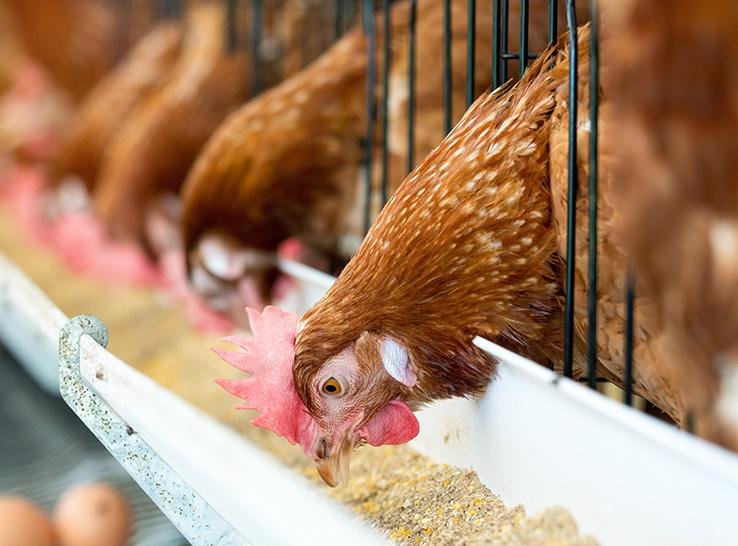
Organic trace minerals gain momentum in poultry feed
Improved bioavailability and heat-stress resilience are driving adoption of organic trace minerals in poultry feed.
The globalpoultry feed organic trace minerals market is expanding as producers increasingly prioritize bird health, productivity, and resilience under challenging production conditions. A DataM Intelligence report projects strong growth for the broader animal feed organic trace minerals segment between 2023–2030, with poultry emerging as one of the fastest-adopting sectors.
Organictrace minerals are increasingly replacing inorganic absorption, and lower excretion rates translate into better feed efficiency, stronger immune responses, and improved production outcomes. These benefits/” title=”7 plants that grow great in Alabama & their health benefits”>benefits are particularly valuable as climate stress and disease pressure intensify across major poultry-producing regions
In December 2025, Ajinomoto Animal Nutrition launched a fermentation-derived organic selenium designed to help poultry manage oxidative stress linked to heat exposure.
The yeast-based selenium targets the physiological challenges caused by rising summer temperatures, particularly in Japan, where prolonged heat events have negatively impacted poultry performance and welfare. Organic selenium is critical to antioxidant defense systems, protecting cells and sustaining productivity in heat-stressed flocks.
Eggshell quality and layer performance
In November 2025, Zen-Noh (JA Group) added organic zinc to its standard layer feed formulation.
Continue after advertising.

The update aims to improve eggshell quality and reduce breakage during transport, a key cost factor in egg production and distribution. Stronger shells not only reduce losses but also enhance efficiency and profitability for layer producers.
Precision mineral nutrition strategies
Feed manufacturers and nutritionists are increasingly adopting precision mineral strategies tailored to specific poultry production stages.
Organic trace minerals allow for lower inclusion rates while maintaining or improving performance. This approach supports sustainable feed formulation and reduces environmental mineral loading.
While organic trace minerals were once viewed as premium inputs, recent innovations are accelerating their mainstream adoption in poultry feed.
Advances in fermentation technology, chelation processes, and delivery formats are improving consistency and cost-effectiveness. These developments make organic minerals more accessible to commercial producers and strengthen their role in modern feed programs.
Poultry operations face rising input costs, tighter biosecurity requirements, and growing scrutiny over animal welfare and environmental impact. Organic trace minerals are increasingly positioned as strategic nutritional tools that support immunity, shell quality, and stress resilience. Their alignment with operational challenges makes them vital for modern poultry systems.
With continued research, product innovation, and proven on-farm results, organic trace minerals are expected to play an expanding role in poultry nutrition worldwide through the end of the decade.
Related to Animal Nutrition
Poultry Feed Challenges Amid Strait of Hormuz Closure
AI and Precision Nutrition in Poultry Production
LIPA®: The Science Behind Consistent Broiler Performance
Precision Nutrition for Efficient, Resilient, and Sustainable Poultry Production
Immunomodulation as a Nutritional Strategy to Strengthen Poultry Health Without Compromising Performance
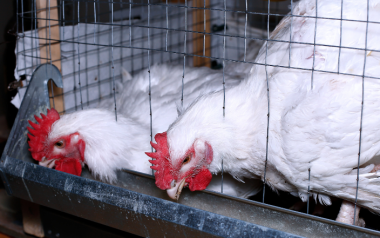
Effects of Butyric Acid and Yeast Culture on Broiler Performance
Orffa establishes Scientific Advisory Board
Challenges in Chick Nutrition During July’s Heat Wave in Europe

Mycotoxins Biomarkers, Questions and Answers
Unlocking seaweed’s potential in poultry production: Ocean Harvest Technology at VIV Europe 2026
MAGAZINE AVINEWS INTERNATIONAL
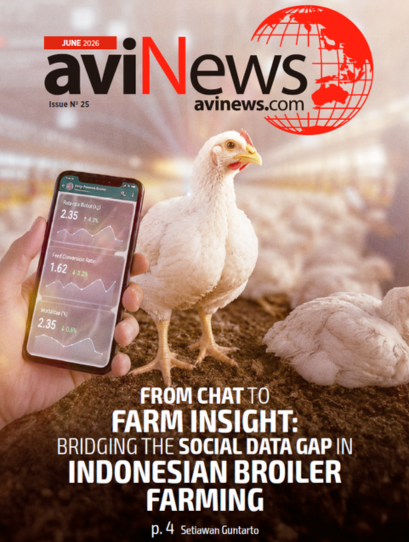
EDITION AviNews International June 2026
Newcastle Disease: One Hundred Years On, Why Transmission Control Matters More Than Ever
Egg Size Versatility in Nick Chick – Part I

Interview with Khaled Abdel Nasser Awwad
When the Supply Chain Breaks: Poultry Prices and the Economics of Maritime Disruption in the Middle East
Reovirus Infections in the Broiler Industry
Egg Condensation in Hatcheries: A Hidden Risk for Embryo Development, Hatchability and Chick Quality

From Chat to Farm Insight: Bridging the Social Data Gap in Indonesian Broiler Farming
Labor Shortage in the Poultry Industry: Potential Solutions
A Comparison of Soybean Meal from Different Origins in Terms of Nutrient Composition, Amino Acid Profile, and Protein Quality
When Algorithms Start to Control Feed Composition
