

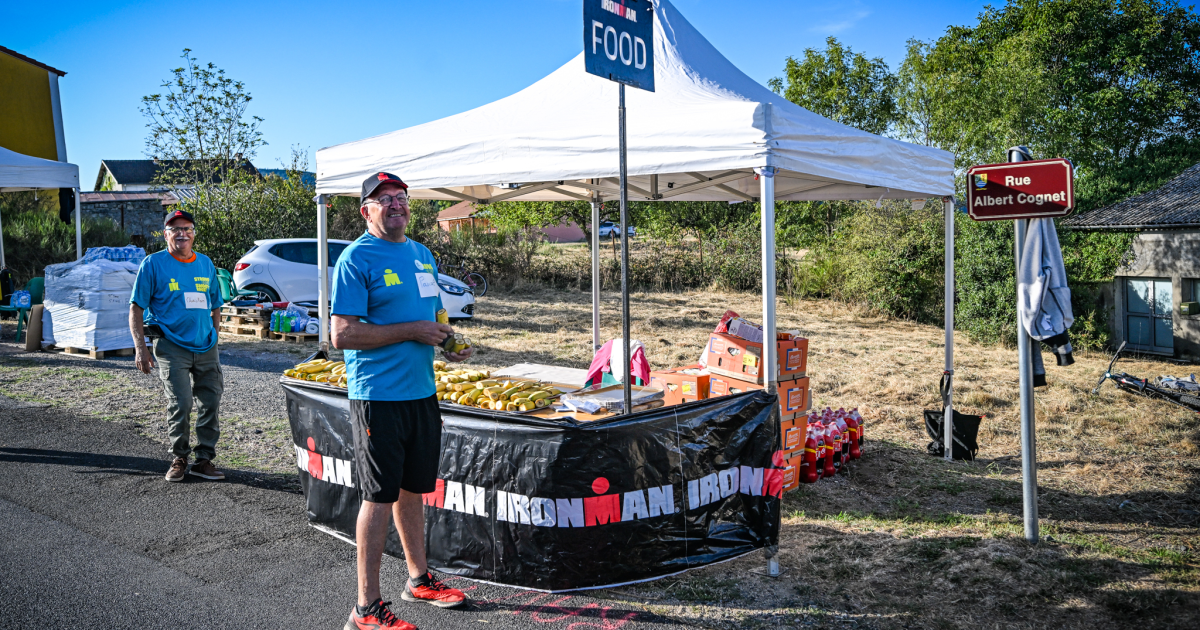
The Short Version:Race week is not the time to diet. Keep eating a balanced mix of carbohydrates, protein, and fat, and let your tapering training quietly top off your glycogen rather than force-feeding pasta. Early in the week, focus on hydration and familiar whole foods. Mid-week, keep portions normal and avoid new restaurants. In the final three days, cut back on fiber, lean on easy-to-digest carbohydrates, and add a little salt. The day before, make a carbohydrate-rich breakfast your biggest meal and keep dinner light and early. On race morning, eat 400 to 600 calories of low-fiber, tried-and-true carbohydrates about three hours before the gun.
You step off the plane and the humidity hits you. Your stomach churns with anticipation of what is to come. It is race week, the week you have been dreaming about for months, maybe years.
You cannot predict what will happen over the <a href="https://health.kporia.com/why-so-many-women-are-vitamin-d-deficient/” title=”Why so many women are vitamin D deficient”>many hours of swimming, biking, and running, but there is one thing you can control: your race-week nutrition and hydration.
Fuel The Week, Don’t Diet It
It can be tempting to chase those final three pounds so you can strike a pose on Dig Me Beach with cut abs, but keep your eye on the real prize: being properly prepared for race day. Limiting calories, carbohydrates, and fats during race week leaves you with less energy and, worse, without a full store of the macronutrient that matters most for your swim, bike, and run: carbohydrate. A diet balanced across carbohydrate, protein, and fat keeps your blood sugar steady, which is what drives quality workouts and recovery. Once race week arrives, focus on the hydration and energy that keep your body and mind sharp, not on the scale. This is also where “carb loading” is widely misunderstood: you are topping off gradually across the week as training tapers, not cramming in a giant pasta dinner the night before. For the day-to-day foundation that makes race week easier, see oureveryday eating habits for triathletes.
Race week is busy enough with appointments, meet-ups, and final workouts. Here is how to take the guesswork out of the final seven days.
7 Days Out
If you have just arrived, get as acclimated as you can without overdoing it in the heat, and make hydration the priority, both during and outside workouts. If you have a digital scale, weigh yourself (for hydration only) without clothing before and after a few rides and runs to check that you are drinking enough; aim to stay within two percent of your starting body weight (a 170-pound athlete times 0.02 equals about 3.4 pounds). Include a familiar sports drink with carbohydrate and sodium during workouts so you do not arrive dehydrated, which raises your risk of injury, illness, and heat stress. After workouts, drink 20 to 24 ounces for every pound lost, and have a protein-and-carbohydrate snack within 60 minutes (8 to 16 ounces of chocolate milk; Greek yogurt and a banana; or a fruit smoothie with 15 grams of whey). For more on this, see ourhydration guide.
6 Days Out
Get to the grocery store in the first day or two and stock up on familiar foods: colorful fruits and vegetables for antioxidants, and lean protein (eggs, fish, veggie burgers, tofu, chicken, turkey, lean ground beef) for muscle repair and to keep you full so you do not over-snack while tapering. Complex carbohydrates like whole-grain bread, pasta, tortillas, and quinoa build your glycogen stores across the week. Heart-healthy fats like avocado, olive oil, and nuts are perfect on salads or as snacks. Keep it simple and familiar as your body adjusts to the new environment.
Sample Day (1,800 to 2,000 calories)
| Time | Meal |
|---|---|
| 5:30 AM | Bowl of cereal with fruit, one hour pre-workout |
| 9:00 AM | Recovery smoothie with fruit; vegetable omelette |
| 11:00 AM | Apple with peanut butter |
| 1:00 PM | Salad with tomatoes, carrots, walnuts, and tuna |
| 3:00 PM | Acai bowl |
| 6:00 PM | Grilled salmon, side of broccoli, brown rice |
| 9:00 PM | 2 oz. dark chocolate drizzled over fresh fruit |
5 Days Out
If you have a kitchen, start planning your pre-race meal and race-morning breakfast now. Are there items you need to buy before they disappear? (For Kona newbies: bananas vanish once thousands of triathletes hit town.) Stock portable snacks so you never go more than two to three hours without eating. Pair a carbohydrate (grain, fruit, or veggie) with one to two ounces of protein (string cheese, Greek yogurt, lunch meat, cereal with milk, nut butter), and keep snacks in the 150 to 250 calorie range. Grab a few familiar protein bars for portability (remember, solid chocolate melts fast in the heat). Bars are not meal replacements, but they can head off a hunger meltdown, and a non-nutritious choice, in a pinch.
4 Days Out
Many athletes feel hungry, bored, and a little jittery now that training has tapered, which can lead to overeating. Eat regularly, but you do not need massive plates of pasta this far out. When you are burning fewer calories, overeating just adds fat storage, so this is not the time to oversize portions in the name of carb loading. Eat a normal diet of familiar foods. Tempting as the poke looks, consider limiting eating out over the final four days to reduce the risk of GI upset or foodborne illness. Save the exciting new restaurants for after the race, or order something you have had before that will not upset your stomach.
3 Days Out
Start tapering down fruits and vegetables. Fiber keeps your digestive tract working hard, which is the opposite of what you want on race day. If you love your vegetables, make today the last day for your usual big salad. From here, shift toward easily digestible carbohydrates, moderate protein, and minimal healthy fat.
2 Days Out
If you have not cut fresh vegetables yet, today is the day. Add a few extra carbohydrates through snacks like fat-free fig bars, pretzels, and low-fat crackers. Carry your water bottle as you register and browse the expo; your urine should be light yellow, not dark. A little extra salt on your food helps you retain fluid for race day (skip this if you have high blood pressure or another condition that requires it). Start avoiding fatty or greasy foods that could upset your stomach, and keep avoiding them through the race.
1 Day Out
It does not have to be pancakes, but a higher-carbohydrate breakfast (pancakes, waffles, toast, or bagels) should be your biggest meal of the day, eaten by about 9 am to give your body time to digest. This day is often busy with bike and bag drop-off, so eat at regular intervals and snack on carbohydrates often. A sports drink helps you hold electrolytes and top off glycogen. At lunch, include grain-based carbohydrates (a sandwich or sub is a great go-to). Make dinner earlier (5 to 6 pm) and the lightest meal of the day: a side of high-glycemic, easy-to-digest carbohydrate is all you need (half a cup of white rice or pasta, or a couple of pieces of bread). Skip the pre-race evening pasta stuffing; your tapered body has already banked the carbohydrate from the days prior. Go to bed a little hungry, with an almost-empty stomach, so there is little digestion happening overnight.
| Time | Meal |
|---|---|
| 7:30 AM | 3 pancakes, toast, 2 scrambled eggs |
| 10:30 AM | 3 oz. pretzels |
| 12:00 PM | Sliced-turkey wrap or sub (light on vegetables), baked chips, sports drink |
| 2:30 PM | Fat-free fig bars |
| 5:00 PM | Grilled chicken breast, 1.5 cups pasta with light red sauce |
| 7:00 PM | Sports bar with carbohydrate (50 to 75 g) and a little protein (10 g) |
| 8:00 PM | Lights out |
Race morning is for tried-and-true foods you have tested in training and smaller races, never something new. About three hours before the gun, eat 400 to 600 calories (depending on your size) of carbohydrate-rich, easily digested foods: applesauce, rice cakes, low-fiber oatmeal, pita bread, low-fiber cereal, or white rice. Keep the volume low; it should not take four bagels to get the calories and carbohydrate you need. Sip 24 to 30 ounces of sports drink across the morning. If you have been abstaining from caffeine to get a boost on race day, have 12 to 16 ounces with your morning meal, as long as it is something you have used before. Once the gun goes off, your plan shifts toon-course race-day fueling.
Your race-week diet is set. Now the swim, bike, and run are up to you.
Put Your Plan To The Test.
This is general guidance from a registered dietitian, not personalized medical or nutrition advice. Hydration, sodium, and calorie needs vary by athlete and health history, so check with your own dietitian or physician, especially regarding sodium if you have high blood pressure or another medical condition.
Frequently Asked Questions
Top off gradually across race week rather than cramming the night before. Keep eating balanced meals with complex carbohydrates through the first part of the week while training tapers, then in the final two to three days shift to easily digestible carbohydrates, cut back on fiber, and keep portions normal. Your tapered body stores the extra carbohydrate for race day without a giant pre-race pasta feast.
Make a higher-carbohydrate breakfast your largest meal, eaten by around 9 am. Snack on carbohydrates through the day, keep lunch grain-based, and make dinner light, early, and easy to digest (a small portion of white rice, pasta, or bread). Avoid fatty or greasy foods, and go to bed with an almost-empty stomach.
About three hours before the start, eat 400 to 600 calories of low-fiber, easily digested carbohydrates you have tested in training (applesauce, rice cakes, low-fiber oatmeal, white rice). Keep the volume low, sip 24 to 30 ounces of sports drink across the morning, and only use caffeine if you have practiced with it.
Yes, gradually. Fiber keeps your digestive system working, which you want to minimize on race day. Start tapering fruits and vegetables about three days out and cut fresh vegetables by two days out, leaning on easy-to-digest carbohydrates instead.
No. Once training has tapered you are burning fewer calories, so an oversized pre-race dinner mostly adds discomfort and fat storage, not usable fuel. A light, early dinner with a modest side of easy carbohydrate is enough, because you have already banked glycogen over the prior days.
Kim Schwabenbauer, RD, CSSD, LDN is a professional triathlete, registered sports dietitian, and adjunct professor of sports nutrition.
