

It’s officially autumn in the United States, which means a seemingly endless bounty of apples, sweet potatoes, pumpkins and other seasonal staples are primed to steal the culinary spotlight. Yet other fall produce deserves a place in the limelight too, nutrition experts say.
Eating a wide range of fruits and vegetables is good for your health. And there can be joy in trying foods with new flavors and textures, which in turn can prompt you to eat more healthfully, experts say.
Here are 10 less popular but no less delicious — or nutritious — fall fruits and vegetables nutrition experts say are worth experimenting with this fall.
When tossed with olive oil and salt and crisped to perfection, these tiny brassicas are teeming with flavor. They’re also rich in nutrients, said Emily Ho, a professor of nutrition and director of the Linus Pauling Institute at Oregon State University. At just about 40 calories per cup, raw Brussels sprouts contain about 3 grams of fiber and nearly as much vitamin C as a medium navel orange.
They’re also high in vitamin K, essential for blood clotting and bone health. And their sulfur-containing compounds, responsible for their signature stink, may even play a role in protecting against certain types of cancer, Ho said.
Given their firmness and sour taste, cranberries aren’t best eaten raw. But roasting them (perhaps with other fall vegetables), simmering them in a sauce or baking them into muffins transforms them into a welcomed tart treat for your taste buds.
Cranberries supply vitamin C, vitamin E and vitamin K, said Sharon Collison, a dietitian at the University of Delaware. And they contain plant compounds called flavonoids, which give them their deep red color and may help reduce inflammation and prevent cell damage, Collison said.
Just watch out for added sugars when eating cranberries dried or from a can, Ho said.
With its colorful stems and ruffled green leaves, Swiss chard can be a beautiful addition to a fall dinner spread, said Bethany Doerfler, a dietitian at Northwestern Medicine Digestive Health Center. The earthy-tasting leafy green takes just minutes to saute. And it’s rich in vitamin A, which supports eye and immune health.
Swiss chard is also a “potassium all-star,” Doerfler said, which helps keep blood pressure in check. One cup of the cooked leafy green contains about 960 milligrams of potassium — about 2.5 times as much as a medium banana.
When Doerfler received Jerusalem artichokes (also called sunchokes) for the first time in a produce box from a local farm, she thought they were little potatoes.
The small root vegetables could also be confused with ginger, she said, though they tend to be rounder, with a few more nubs. When eaten raw, Jerusalem artichokes have a crisp, crunchy texture similar to water chestnuts or jicama. They are perfect for pickling and can add a nice bite to salads. When cooked, such as roasted or simmered in a stew, the insides become creamy and smooth like a potato, Doerfler said.
Jerusalem artichokes are high in inulin, a type of fiber called soluble fiber, which forms a gel-like substance in the intestines and slows digestion. It also feeds the beneficial bacteria in the gut. Ounce for ounce, the little tubers provide about 2.5 times as much iron as spinach.
These tart, rubylike seeds are packed with flavor and offer vibrant color to salads, roasts, dips and desserts. They’re far more than a pretty garnish, though, Ho said.
Pomegranate seeds owe their deep red hue to plant pigments called anthocyanins, which may help reduce inflammation, including in the heart and blood vessels. The seeds are also high in insoluble fiber, which bulks up your stool, making it easier to pass.
Compared with other root vegetables, the fiber content of rutabagas is “off the chart,” said Joanne Slavin, a professor of food science and nutrition at the University of Minnesota.
A medium rutabaga, which tastes like a mix of a turnip and a cabbage, contains nearly 9 grams of fiber — just over twice as much as a medium sweet potato. It also has a little more than 4 grams of protein, an impressive amount for a vegetable, Slavin said.
After rutabagas are cooked and cooled, they develop resistant starch, a type of fiber that doesn’t spike blood sugar as much as regular starch, and feeds the good bacteria in the gut. As with turnips, parsnips and other fall root vegetables, rutabagas are wonderful mashed or roasted.
Persimmons, which look like orange tomatoes, are rich in the “all-star nutrients” characteristic of many fruits, Doerfler said. This includes fiber and vitamin C, along with carotenoids, natural plant pigments that support healthy eyesight, skin and immune function.
They’re delicious when eaten whole, Doerfler said. Bite into them like an apple. Or slice them and pair them with cheese, she said.
These tough-skinned gourds, which include the delicata, kabocha, spaghetti and butternut squash varieties, are harvested in autumn and remain fresh enough to eat well into winter.
Winter squash tends to be high in fiber and carotenoids, including beta-carotene, lutein and zeaxanthin. These inflammation-fighting plant pigments support the immune system and protect skin against damage; they may also help stave off macular degeneration, Doerfler said.
Because delicata squash has a slightly thinner skin compared with the other varieties, you don’t have to peel it before you eat it. That’s a good thing, Doerfler said, because the skin contains insoluble fiber.
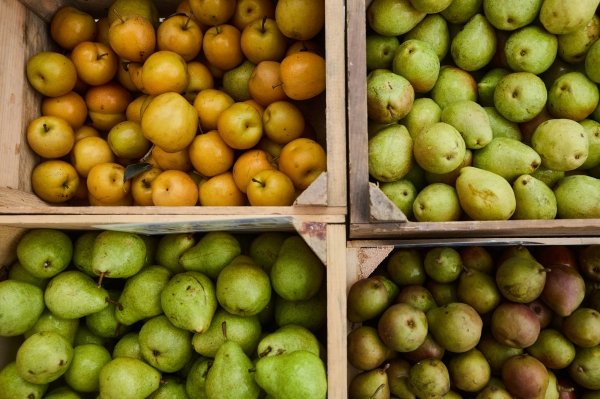
Pears often play second fiddle to their popular cousin, the apple. But the fruits contain more fiber per serving than apples, Slavin said. One medium Fuji apple contains about 3 grams of fiber, whereas a pear of similar size contains around 4.5 grams.
Pears are also a goodundant in their skin. And they are high in a natural sugar called fructose, which along with fiber helps to soften stool, making it easier to pass
There’s a certain sliminess to okra that nutrition experts love. It’s called mucilage, a type of fiber that’s also found in oatmeal, chia seeds and seaweed.
Mucilage helps your body eliminate bad cholesterol, Doerfler said. Okra is also rich in vitamin K, vitamin C and vitamin B6.
Okra is too tough to eat raw, but it makes a wonderful addition to fall soups and stews.
Oman Observer is now on the WhatsApp channel. Click here
