

Close Menu
Kporia Health

    Subscribe to Updates

    Get the latest creative news from FooBar about art, design and business.

    What's Hot

     Could GLP-1 drugs finally put a price on crop nutrient density?

    October 8, 2026

    Balancing nutritional adequacy and health benefits

    October 8, 2026

    7 Healthy Winter Squash to Try This Fall Season

    October 8, 2026
    Facebook X (Twitter) Instagram
    Kporia Health
    Facebook X (Twitter) Instagram
    Health Calculator
    • Home
    • Healthy Foods
    • Fruits
    • Herbs
    • Minerals
    • Nutrition
    • Vegetables
    • Vitamins
    Kporia Health
    Home»Healthy Foods»A Hidden Compound in ‘Healthy’ Plant-Based Foods May Be Fueling Gut Inflammation
    Healthy Foods

    A Hidden Compound in ‘Healthy’ Plant-Based Foods May Be Fueling Gut Inflammation

    AdminBy AdminOctober 6, 2026No Comments4 Mins Read0 Views
    Facebook Twitter Pinterest Telegram LinkedIn Tumblr Copy Link Email
    Follow Us
    Google News Flipboard
    A Hidden Compound in 'Healthy' Plant-Based Foods May Be Fueling Gut Inflammation
    Share
    Facebook Twitter LinkedIn Pinterest Email Copy Link

    Health02 October 2026ByDavid Nield
    (d3sign/Moment RF/

    Some of the healthiest plant-based foods on the menu – including spinach, beetroot, rhubarb, almonds, and sweet potatoes – could be linked to inflammatory bowel disease (IBD), based on a new study.

    The study comes from a team led by researchers from the University of North Carolina, and focuses on a natural compound found in all plant-based foods, called oxalate.

    While oxalate doesn’t have much use in the human body, it’s also not inherently harmful – we just get rid of most of it as waste. But this latest research indicates that in some people, problems processing the compound properly may lead to gut issues.

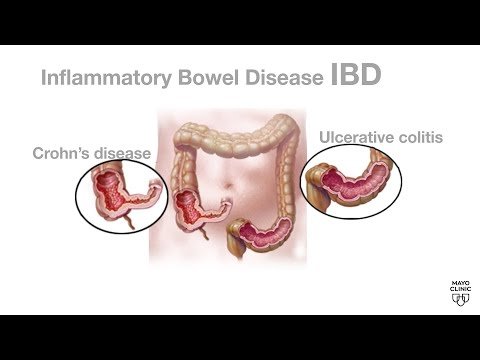
    Part of the study, published in Cellular and Molecular Gastroenterology and Hepatology, measured the level of oxalate in a person’s diet against what showed up in their stools. Two different analysis methods were used across a total of 46 participants, including some with Crohn’s disease (CD), one of the two main IBD sub-types.

    “For the first time, we observed that IBD patients and healthy controls were eating similar amounts of plant-based foods yet CD patients still had more oxalate in their stool,” says gastrointestinal biologist Anna Salvador, from the University of North Carolina.

    “That told us this isn’t just about what patients eat. Something is fundamentally different about how their gut handles oxalate.”
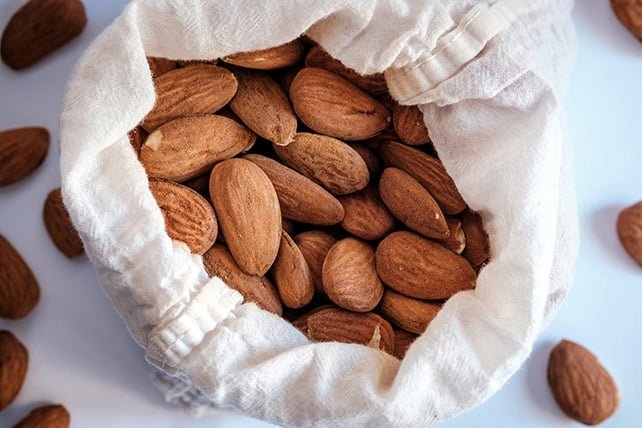
    Almonds in a bag
    Almonds are one of the foods rich in oxalate. (Nacho Fernández/Unsplash)

    The researchers also looked at transporter proteins called SLC26A2 and SLC26A3, which absorb oxalate from the gut. In several hundred tissue samples taken from people with CD, ulcerative colitis (the other main IBD sub-type), and healthy controls, genes producing these proteins were found to be less active in the IBD samples.

    Another aspect of the study involved tests on mice with deliberately inflamed guts (to resemble IBD). These experiments showed that animals fed extra oxalate fared worse by several measures: they lost more weight, developed a greater level of intestinal inflammation for longer, and were less likely to survive.

    The researchers even had time to examine the reaction of mouse immune cells to oxalate in the lab. The compound increased the inflammatory response, suggesting it’s an immune system reaction rather than direct damage that links oxalate and IBD.

    “These findings identify dietary oxalate as a potentially modifiable factor in intestinal inflammation and underscore the need to consider variation in dietary exposures and oxalate metabolism in inflammatory bowel diseases,” write the researchers in their published paper.
    YouTube Thumbnail

    Possible next steps for the research include trying to target the transporter proteins SLC26A2 and SLC26A3 as a route to making sure that oxalate is effectively cleared out from the gut, rather than building up to harmful levels.

    Along those lines, the researchers also looked at a third oxalate transporter protein, SLC26A6. In an examination of 131 people with Crohn’s disease, a less active SLC26A6 gene was linked with a more severe type of the condition.

    “For patients living with Crohn’s disease or ulcerative colitis, this research opens a genuinely new therapeutic angle,” says geneticist Shehzad Sheikh, from the University of North Carolina. “One that connects the food on their plate to the inflammation in their gut.”

    It’s well accepted that diet plays a role in IBD, alongside several other key factors, and the oxalate found in plant-based foods may be a part of that. The researchers aren’t suggesting that these foods should be cut out of anyone’s diet, but that moderating oxalate intake could be of benefit.

    Further down the line, it’s possible that extra supplements – perhaps promoting bacteria that help the body get rid of oxalate – could be part of IBD treatment options. Studies with larger groups of participants should tell us more about the potential mechanisms at play, and identify those who might be more sensitive to oxalate.

    “Diet is one of the most powerful, modifiable levers we have in medicine, and this study gives us a molecular framework to start using it more precisely,” says Sheikh.

    The research has been published in Cellular and Molecular Gastroenterology and Hepatology.

    This article was fact-checked by Rachel Garner and edited by Fiona MacDonald. While we pride ourselves on our process, we are only human. If you spot a mistake, please let us know.

    compound foods Healthy hidden PlantBased
    Follow on Google News Follow on Flipboard
    Share. Facebook Twitter Pinterest LinkedIn Telegram Email Copy Link
    Admin
    • Website

    Related Posts

    7 Healthy Winter Squash to Try This Fall Season

    By AdminOctober 8, 2026

    ACC Scientific Statement Says Overall Diet Quality Key to Maintaining Heart Health

    By AdminOctober 8, 2026

    Healthy eating habits to support student success

    By AdminOctober 7, 2026

    8 Fermented Foods To Add to Your Diet

    By AdminOctober 7, 2026

    Could quitting ultra

    By AdminOctober 5, 2026

    Best foods for IBD: What to eat during remission, flares and social events

    By AdminOctober 4, 2026
    Add A Comment
    Leave A Reply Cancel Reply

    Top Posts

    Supplements and Vitamins To Avoid With High BP

    August 7, 20265 Views

    The 8 healthiest beans you should be eating more often, according to nutrition expert

    August 7, 20265 Views

    how the controversial plant could be used for good

    August 7, 20264 Views

    Health Benefits of Bell Peppers

    August 7, 20264 Views
    Don't Miss

    Infant and young child feeding

    August 7, 20268 Mins Read1 Views

    In 2021, maternal and child malnutrition was estimated to be associated with 2.4 million child deaths annually or more than 50% of all child deaths (1). Early, exclusive and continued breastfeeding can prevent pneumonia and diarrhoea, which are amongst the leading causes of child death. Infant and young child feeding is a key area to improve…

    Why Goji Berries Are So Good for You

    August 7, 2026

    Urban living linked to slightly healthier diets but also higher overweight and obesity among adolescents in Viet Nam

    August 7, 2026

    Not all fruits and vegetables are equal when it comes to heart health, our research shows

    August 7, 2026
    Stay In Touch
    • Facebook
    • Twitter
    • Pinterest
    • Instagram
    • YouTube
    • Vimeo

    Subscribe to Updates

    Get the latest creative news from SmartMag about art & design.

    About Us

    At Kporia Health, our mission is to help people make healthier choices by providing reliable, easy-to-understand, and informative content about nutrition, wellness, and healthy living.

    We believe that maintaining good health starts with knowledge. Our platform is dedicated to sharing valuable information about the benefits of fruits, vegetables, herbs, vitamins, minerals, and other essential nutrients that support a healthy lifestyle.

    Facebook X (Twitter) Pinterest YouTube WhatsApp
    Our Picks

     Could GLP-1 drugs finally put a price on crop nutrient density?

    October 8, 2026

    Balancing nutritional adequacy and health benefits

    October 8, 2026

    7 Healthy Winter Squash to Try This Fall Season

    October 8, 2026
    Most Popular

    Not all fruits and vegetables are equal when it comes to heart health, our research shows

    August 7, 20260 Views

    Greek yogurt: Health benefits, protein content, and how to choose the best option

    August 7, 20260 Views

    How To Eat Well When Every Dollar Counts

    August 7, 20260 Views
    • About Us
    • Contact Us
    • Terms & Conditions
    • Privacy Policy
    • Disclaimer

    © 2026 health.kporia.com. All rights reserved. Designed by DD.

    Type above and press Enter to search. Press Esc to cancel.