


Craving Unhealthy Food? This is What Your Body Really Wants
06:12
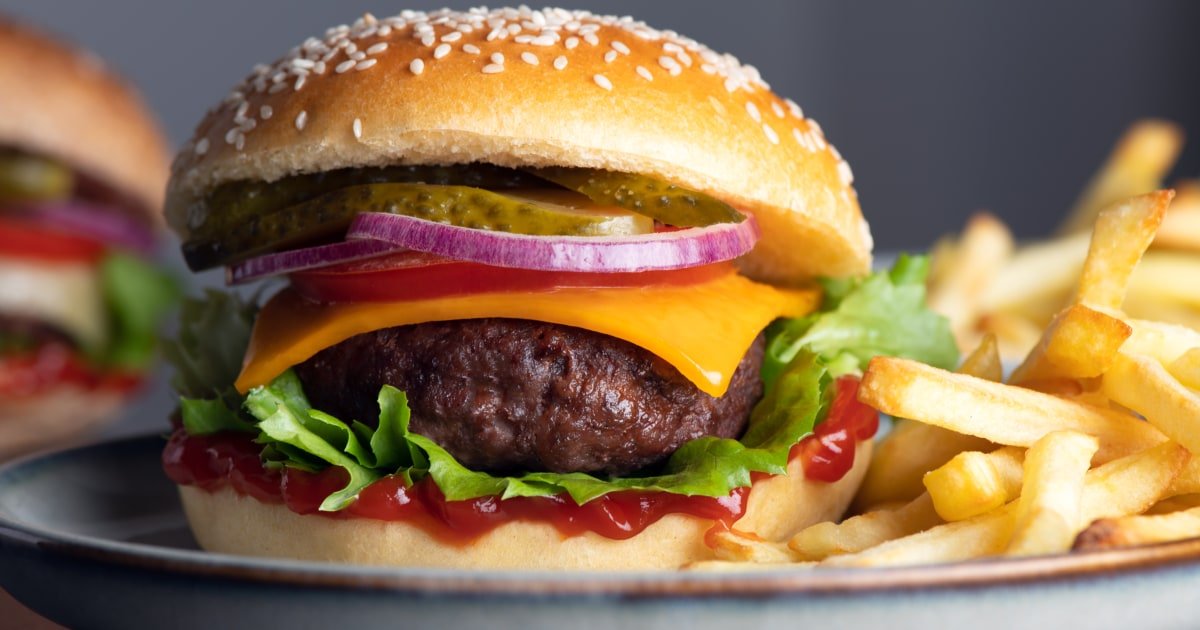
The burger is touted as a treat. It’s the greasy indulgence at the end of a long, fun night.
Given, however, that the dish consists of ingredients hailed for their nutrients and protein content thanks to the meat and vegetables, you could argue that the meal should be considered healthy. So, what gives?
A few things.
Registered dietitian and author Erin Palinski-Wade would back this claim if it weren’t for select fixings and cooking techniques customary to making a burger. They’re responsible for rendering the burger calorically dense and less healthy than other meat and veggie dishes out there.
If you are looking make the burger a part of your nutritious meal rotation, however, you can always tweak it. Make a play on the classic and create a better-for-you version of the burger, says Palinski-Wade.
But there’s no reason you can’t stick to the classic recipe either. You could fit the burger into your balanced diet, reserving space for the dish in moderation.
Whichever you choose, it’s worth familiarizing yourself with the burger’s nutritional content and why, despite some of its traditionally healthy components, it maintains its reputation.
From there, you can decide how you’ll make it work for you and your health goals.
Are Burgers Healthy or Not?
“A burger itself isn’t inherently unhealthy. The portion, add-ons and sides can all contribute to the benefit (or negative impact) it can have on health,” Palinski-Wade tells TODAY.com.
Take the beef. It offers protein, vitamins and other nutrients. Then you’ve got the lettuce and tomato with their vitamins and antioxidants.
“Where calories can add up quickly is with a larger, higher-fat patty, added cheese, mayo or special sauce, cooking oil and an oversized bun,” says Palinski-Wade. “Layer those together, and you can end up with a meal that is much higher in calories, saturated fat, refined carbohydrates and sodium than you might expect.”
How you cook the meat makes a difference too. The high temperatures required of grilling or searing a burger patty can produce compounds called heterocyclic amines, says Palinski-Wade. These chemicals can cause changes in DNA and increase your cancer risk, according to the Cleveland Clinic.
Burger Nutrition
The exact nutritional information for a burger will vary depending on how it’s cooked, its size and its toppings. According to the U.S. Department of Agriculture database, you’ll find that each of a burger’s components typically has:
Beef (100 Grams, 80% Lean Meat and 20% Fat)
- 243 calories
- 17.5 grams protein
- 19.4 grams fat
- 0 grams carbohydrate
- 0 grams fiber
- 0 grams sugar
Lettuce (1 Cup Shredded)
- 5 calories
- 1 grams protein
- 0 grams fat
- 1 grams carbohydrates
- 1 grams fiber
- 0 grams sugar
Tomato
- 22 calories
- 0.7 grams protein
- 0.42 grams fat
- 3.84 grams carbohydrates
- 1 gram fiber
- 0 grams sugar
Burger Bun
- 279 calories
- 9.77 grams protein
- 3.91 grams fat
- 50.1 grams carbohydrates
- 1.8 grams fiber
- 7.28 grams sugar
Ketchup (1 Tablespoon)
- 17.2 calories
- 0.17 grams protein
- 0.017 grams fat
- 4.66 grams carbohydrates
- 0.051 grams fiber
- 3.62 grams sugar
Mayonnaise (1 Tablespoon)
- 93.8 calories
- 0.132 grams protein
- 10.3 grams fat
- 0.079 grams carbohydrates
- 0 grams fiber
- 0.079 grams sugar
Cheese (1 Slice, Sharp Cheddar)
- 115 calories
- 6.78 grams protein
- 9.46 grams fat
- 0.59 grams carbohydrates
- 0 grams fiber
- 0.076 grams sugar
In a burger’s beef patty, you’ll also find approximately 2.5 milligrams of iron to carry oxygen throughout the body. You can count on 5.4 milligrams of zinc for immune function and 2.5 micrograms of vitamin B12 for healthy nerves and blood cells, Palinksi-Wade points out.
The lettuce and tomato in a burger, on the other hand, offer up volume with few calories, plus a host of nutrients. From the lettuce, you’ll get a dose of vitamins A and K for immune and bone support respectively, adds Palinksi-Wade. And from the tomato, vitamin C, for antioxidants and iron absorption, among other benefits. There’s also potassium, vitamin A and the antioxidant lycopene for its antioxidant properties.
The pillowy bun with its refined carbs and sugars, the condiments, the oils, cheese and the fries on the side, are what send the calories soaring and leave most of the burger’s nutrients overshadowed by high amounts of grease and sodium.
How to Make a Healthier Burger
Resist labeling a burger “good” or “bad,” Palinski-Wade recommends. Instead, work it into your healthy diet and eat burgers sparingly during the occasional outing or indulgent at-home dinner.
If you want to rework the burger, Palinski-Wade offers her advice.
Beef is already pretty nutrient-dense, she says. But if you’re looking to up the ante, opt for beef with an even lower fat content, such as one with 90% lean meat and 10% fat. “It provides all of the same beneficial nutrients with less saturated fat, making it a better choice for long term health,” she says.
Less saturated fat means lower chances of increasing your LDL or “bad” cholesterol, which can increase your risk of heart disease and stroke.
“Ground turkey breast, ground lean pork, ground lean chicken or bison can provide additional options if you want to vary your lean protein
You might even blend mushrooms into your burger patties to lessen the amount of meat you use and lower your calorie intake, TODAY.com previously suggested.
Next, consider portion size. Most restaurants are dishing up 6- to 8-ounce patties. “The larger the portion size, the higher the content of calories, fat, and refined carbohydrates, which can have a negative impact on health if consumed too often,” Palinski-Wade says. Instead, make your burgers at home and stick to 3- to 4-ounce servings.
The most decadent burgers are dripping in sauces, from oils to condiments. And while that’s delicious every once in a while, opt for mustard, or a different light spread or dressing as an alternative to ketchup and mayo when making them at home.
You might also consider leaving off the cheese and bacon and, instead, loading up on lettuce, tomato and onions for volume, fiber and fewer calories, says Palinksi-Wade.
And sure, the <a href="https://health.kporia.com/10-<a href="https://health.kporia.com/could-the-best-medicine-be-growing-in-your-backyard/” title=”Could the Best Medicine Be Growing in Your Backyard?”>best-dog-foods-of-2026-recommended-by-vets/” title=”10 Best Dog Foods of 2026, Recommended by Vets”>best-in-class burgers are synonymous with french fries, but you don’t have to give up the sides completely. “Pairing your burger with a salad or fruit instead of fries can completely change the overall nutrient profile. You can also choose a whole-grain bun or lettuce wrap, depending on your preferences,” adds Palinski-Wade.
“Rather than thinking of a burger as automatically unhealthy, I’d look at how it’s built,” she says.
