


Sun, October 4, 2026 at 2:45 PM UTC
EXCLUSIVE: Diet is one of the most important aspects of looking after your heart health.
Health experts recommend a variety of foods to support heart health, including common fruits and <a href="https://health.kporia.com/10-fall-fruits-and-vegetables-nutrition-experts-love/” title=”10 fall fruits and vegetables nutrition experts love”>vegetables.
Health experts have recommended that Brits increase their intake of fruits and vegetables to support heart health. Fruits and vegetables are vital parts of a diet, as they provide essential nutrients the body needs to thrive and stay healthy. It is estimated that fewer than one in five adults are getting their five-a-day, which means most adults in Britain are seriously lacking in nutrition.
I asked health experts which fruits and vegetables people should eat to look after their heart health and blood pressure, and help reduce their risk of developing heart disease. All fruits and vegetables have nutritional benefits, but experts have pointed out the particular advantages of these ones. And they are relatively easy to incorporate into your daily diet, whether you add them to breakfast, lunch, or dinner, or enjoy them as a snack.
Here are nine fruits and vegetables that health experts recommend for a healthy heart.

Nicolle Cucco, a registered dietitian at Muscle Booster, advises swapping salt with spring onion for a healthier flavour booster.
“Spring onions are an inexpensive way to add more vegetables and flavour to meals without relying on large amounts of salt, butter or saturated fat,” she said.
“They also provide vitamin C and other plant compounds.
“For people looking to support their heart health, simple swaps like using fresh herbs, garlic, spring onions and spices to add flavour can make it easier to reduce reliance on salt. This is particularly useful because keeping salt intake within recommended levels can help support healthy blood pressure.”

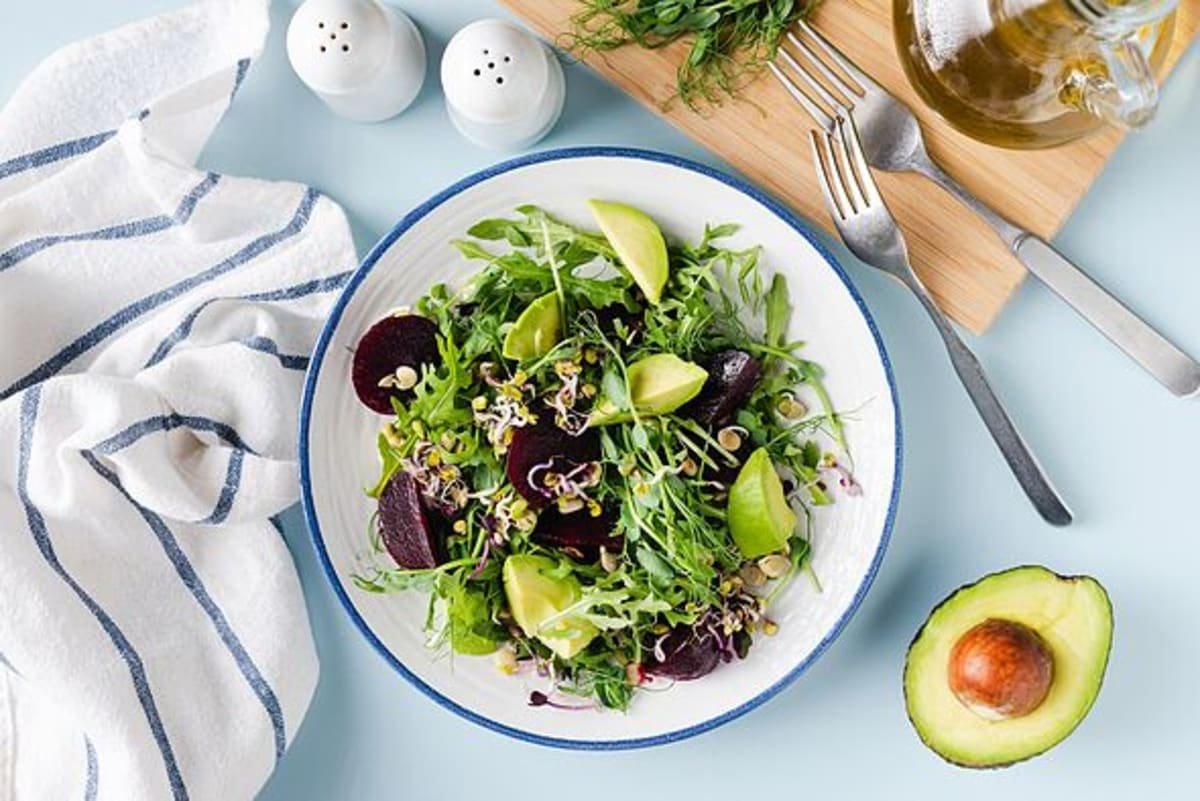
Cucco says that avocados are particularly beneficial because they contain monounsaturated fats. “Replacing foods high in saturated fat withevels,” she said
“They also provide fibre and potassium, both of which are important as part of a heart-healthy diet. Adding avocado to toast, salads, or sandwiches is an easy and affordable way to introduce more unsaturated fats into your diet.”
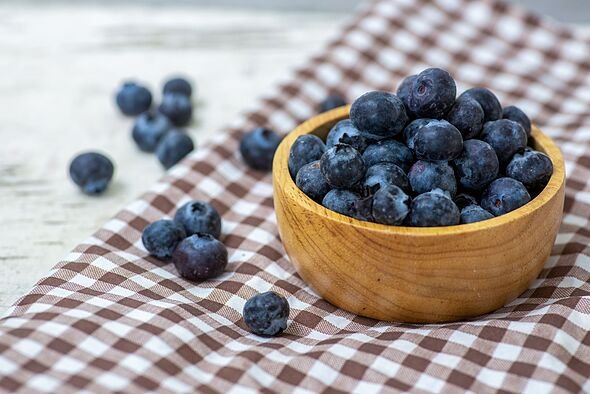
Lucy Kershaw, nutrition expert at Nature’s Best, says berries are an affordable way to add more heart-healthy foods to your diet.
“Berries can be a great addition to a heart-healthy diet because they are naturally low in saturated fat and provide soluble fibre, which can help to support lower cholesterol levels,” she said. “Raspberries, strawberries and blueberries are easy options to add to your diet, while their fibre content can also help support overall heart health.
“Try adding a handful to yoghurt or porridge in the morning, or choose frozen berries for a cheaper option that can be kept for longer.”
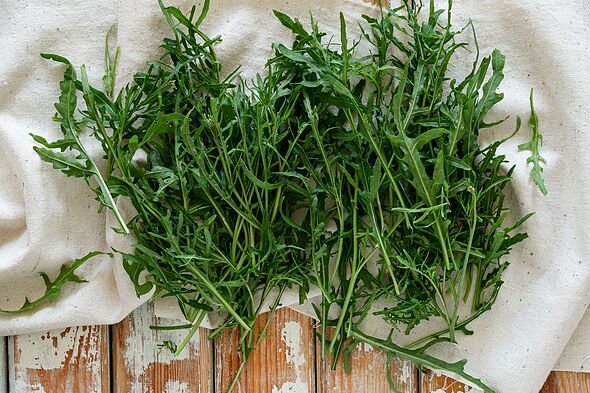
According to Dr Linia Patel, a women’s health dietitian and performance nutritionist at Pure Sports Medicine, rocket is a cheap way to add more nutritional benefits to your diet.
“Rocket is naturally rich in dietary nitrates, which the body converts into nitric oxide, helping blood vessels relax and supporting healthy blood flow and blood pressure. Eat as a salad or make a rocket pesto.”
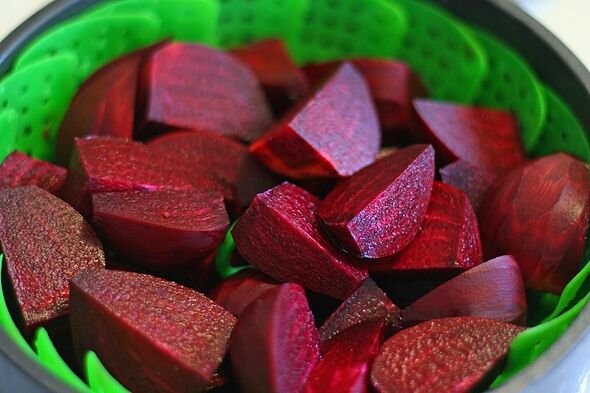
According to Dr Francesco Lo Monaco, a private cardiologist in London, founder of the National Heart Clinic, beetroot is an incredibly healthy food to add to your diet.
“Beetroot is one of those foods that looks simple, but works on your cardiovascular system in remarkable ways,” he said. He explains that beetroot is rich in natural nitrates, which the body converts into nitric oxide, a molecule that tells your blood vessels to relax.
“This means better circulation, lower blood pressure, and a healthier endothelium, the inner lining of your vessels,” he said.
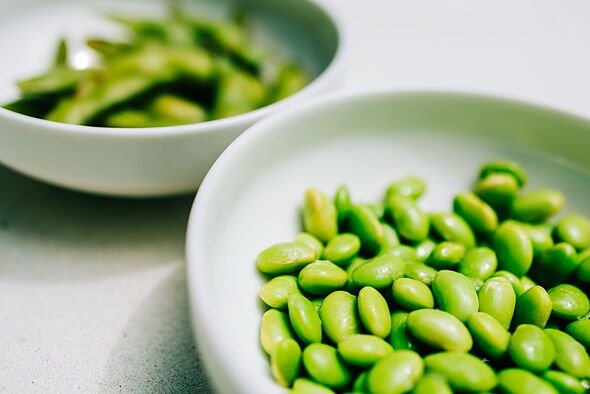
Edamame beans have become more popular in the UK in recent years, and they are now available to buy in many supermarkets. Nicolle Cucco said that these beans are “a greatins and minerals”
“Increasing the amount of plant-based foods in your diet can be beneficial for overall heart health, particularly when they replace foods that are higher in saturated fat,” she explained.
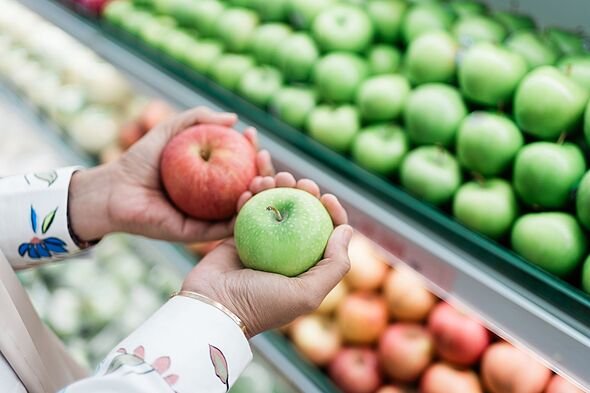
Nutritionist Nikkii Behrens says that you don’t need to go for exotic or less common fruits or vegetables to look after your heart. In fact, the classics work wonders.
“You don’t need exotic berries or expensive powders to get antioxidants and fibre, and buying seasonal, on-offer, or supermarket own-brand options is a practical approach,” she said. “Apples, for example, provide fibre including pectin, and are an easy, relatively inexpensive everyday fruit.”
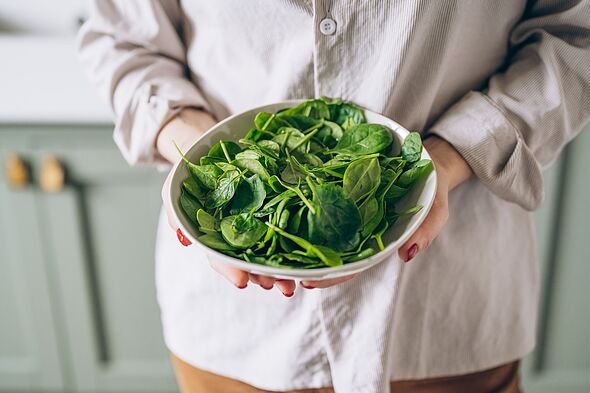
Dr Kate Bunyan, medical director at PocDoc, explained that staples like spinach can be frozen, helping you reduce waste and keep some healthy greens on hand.
Meanwhile, the Cleveland Clinic says that ten high potassium levels in spinach relaxes blood vessels and lowers blood pressure.
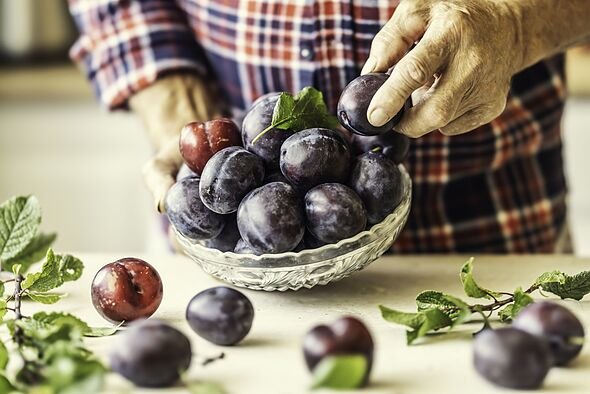
According to new research in the journal Food and Function, less than one in five people get enough flavanols in their daily diets. This powerful compound acts as an antioxidant, and plums have a particularly high concentration.
ccording to the research, one 500g punnet of plums has 450mg. It is recommended that a person eat 500g of flavanols a day.
