

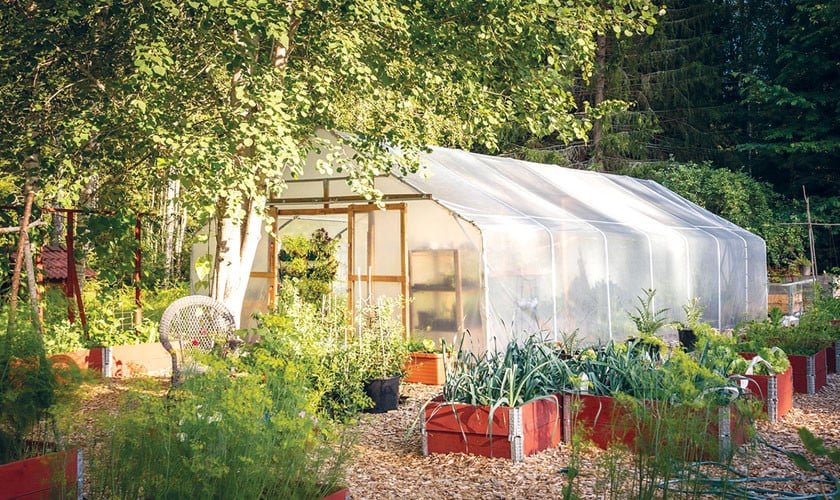
Protected kitchen gardening: a small step towards <a href="https://health.kporia.com/biological-inflation-why-food-security-without-nutrition-is-a-mirage/” title=”Biological Inflation: Why Food Security Without Nutrition Is a Mirage”>food security and healthy living
The cultivation of vegetables is especially sensitive to temperature, water availability, pests and diseases….
With the population growing and food prices rising, water scarcity and the shifting climatic conditions of the country are putting increasing pressure on the country’s food system. The cultivation of vegetables is especially sensitive to temperature, water availability, pests and diseases. However, there is one simple solution that is often overlooked: more locally produced food.
The cultivation of vegetables in the kitchen can provide the family with fresh produce and make use of a limited amount of space. When implemented with protected horticulture and organic farming, it can be an effective and sustainable food production system for the home.
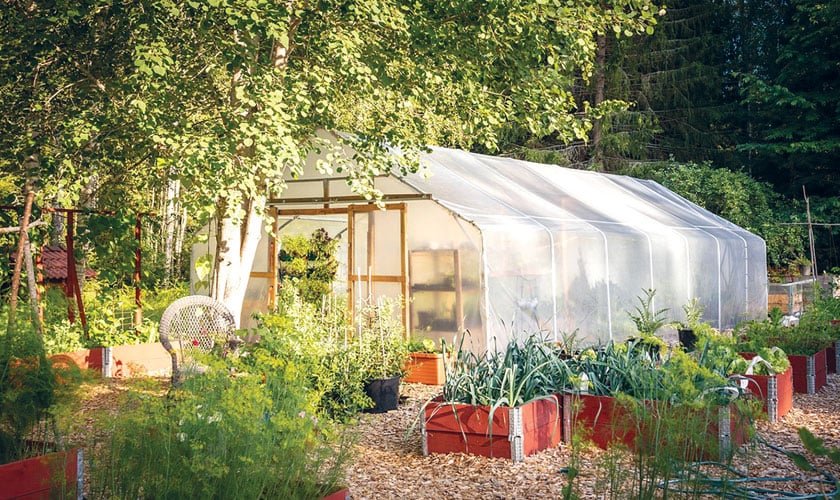
Protection of horticulture systems doesn’t need high-cost and high-tech greenhouses. Small tunnels, shade nets and net houses are simple structures that can be manufactured locally and can provide protection for plants. They can also increase the length of the growing season and enable households to grow vegetables during less favourable conditions. This is particularly true in Pakistan because of the climatic conditions in summer and winter which can restrict the growth of vegetables in different parts of the country.
Organic methods can be applied to improve kitchen gardens. The use of suitable kitchen and plant waste to prepare compost, without having to use synthetic fertilisers, can be undertaken in households. Incorporating organic matter into the soil can help to enhance soil structure and health, thereby promoting stronger plant growth.
Sprays do not need to be the first line of action in the fight against pest problems. Pest issues can be reduced through monitoring, removing diseased plant material, crop rotation, physical barriers and biological control. The objective of pest management should be to control pests responsibly while maintaining beneficial insects and pollinators.
Water conservation is also a vital consideration. Scarcity of water is already a serious issue in Pakistan, and wastage of water for commercial and domestic farming is an issue. Drip irrigation, mulching and watering plants as needed can minimise water loss.
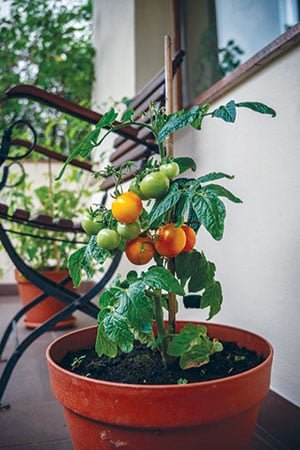
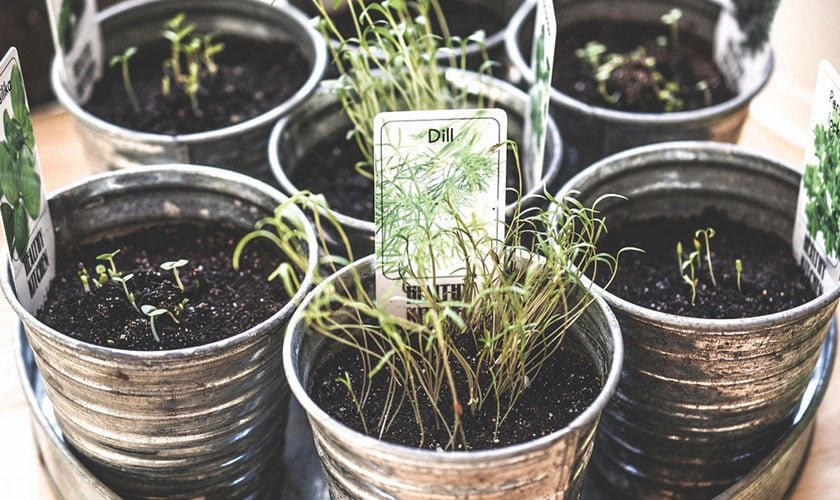
Luckily, a productive kitchen garden doesn’t require a great deal of space. Plants and herbs can be grown in containers, courtyards, balconies and on rooftops. There is potential of optimum space utilisation in vertical farming as well. There are a number of crops that can be grown in smaller areas, and leafy vegetables and herbs can be cultivated in fairly small containers.
The choice of crops should be based on the climate and environment as well as space and household requirements. Growing a crop because it is popular isn’t going to help matters if it is not consumed by the family.
Kitchen gardening can also help raise awareness about nutrition, agriculture and environmental sustainability. Children can learn about the growth of plants, the recycling of organic waste and the importance of conserving water. A small garden can help educate and engage an urban family that has little connection to agricultural practices.
Kitchen gardening, however, should not be seen as a substitute for commercial farming. The reliance on farmers and big farming will persist in Pakistan. The activity should rather be part of an overall food security strategy and viewed as a step towards healthy living.
Demonstrations and training by government departments, universities and agricultural extension services can play an important role in the promotion of small-scale protected gardening. Instead of a quick investment in an expensive system, the focus of programmes should be on the use of low-cost structures, targeting locally appropriate vegetable varieties, on-the-go composting, efficient irrigation systems and responsible pest management.
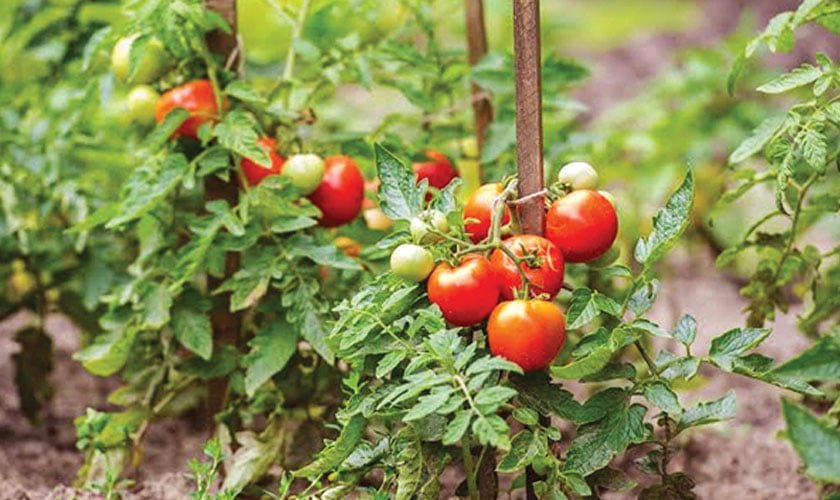
There is a lot of opportunity for innovation, too. In the future, simple sensors and mobile applications or digital crop-monitoring tools may be able to assist gardeners with soil moisture, soil temperature and plant health monitoring, using technology to expand the basic understanding of horticulture rather than to complicate gardening.
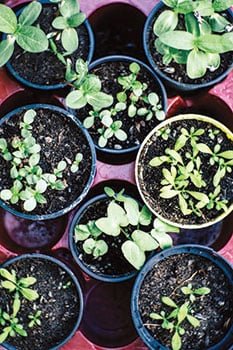
Pakistan needs to boost its food output while reducing the use of natural reat the household level
There is a need for more than micro protected kitchen gardens to overcome the challenges of food security in Pakistan, but thousands of productive home, school and community gardens could make a significant contribution to household nutrition, environmental awareness and sustainable food production.
The sustainable future of food production doesn’t necessarily have to be built on large fields and modern greenhouses. It can also start in the small back gardens of our houses. The concept is straightforward: make the best use of space, conserve water, recycle organics and produce what people need.
The writer is a horticulture researcher from Khyber Pakhtunkhwa with an M.Sc. (Hons.) in horticulture from the University of Agriculture, Peshawar.
