

October 3, 2022
ByKatherine D. McManus, MS, RD, LDN,
Contributor
Share
Print This Page
No single food — not even a superfood — can offer all the nutrition, health benefits, and energy we need to nourish ourselves. The 2015–2020 US Dietary Guidelines recommend healthy eating patterns, “combining healthy choices from across all food groups — while paying attention to calorie limits.”
Over the years, research has shown that healthy dietary patterns can reduce risk of high blood pressure, heart disease, diabetes, and certain cancers. Dietary patterns such as the DASH (Dietary Approaches to Stop Hypertension) diet and the Mediterranean diet, which are mostly plant-based, have demonstrated significant health benefits and reduction of chronic disease.
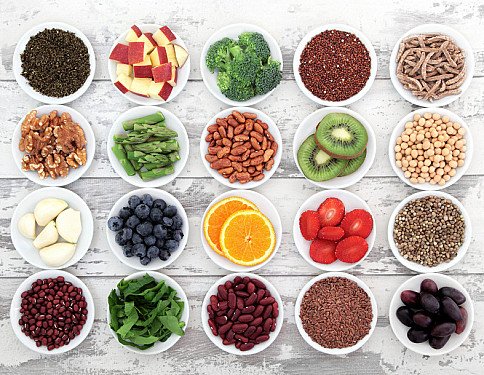
However, there are a few foods that can be singled out for special recognition. These “superfoods” offer some very important nutrients that can power-pack your meals and snacks, and further enhance a healthy eating pattern.
Superfoods list
Berries. High in fiber, berries are naturally sweet, and their rich colors mean they are high in antioxidants and disease-fighting nutrients.
How to include them: When berries are not in season, it is just as healthy to buy them frozen. Add to yogurt, cereals, and smoothies, or eat plain for a snack.
Fish. Fish can be a good disease
How to include it: Buy fresh, frozen, or canned fish. Fish with the highest omega-3 content are salmon, tuna steaks, mackerel, herring, trout, anchovies, and sardines.
Leafy greens. Dark, leafy greens are a goodtochemicals (chemicals made by plants that have a positive effect on your health). They also add fiber into the diet
How to include them: Try varieties such as spinach, swiss chard, kale, collard greens, or mustard greens. Throw them into salads or sauté them in a little olive oil. You can also add greens to soups and stews.
Nuts. Hazelnuts, walnuts, almonds, pecans — nuts are a goodich may be a factor in reducing the risk of heart disease
How to include them: Add a handful to oatmeal or yogurt or have as a snack. But remember they are calorically dense, so limit to a small handful. Try the various types of nut butters such as peanut (technically a legume), almond, or cashew. Nuts are also a great accompaniment to cooked veggies or salads.
Olive oil. Olive oil is a goodall which help reduce the risk of heart disease
How to include it: Use in place of butter or margarine in pasta or rice dishes. Drizzle over vegetables, use as a dressing, or when sautéing.
Whole grains. A goodin several B vitamins, minerals, and phytonutrients. They have been shown to lower cholesterol and protect against heart disease and diabetes
How to include them: Try having a bowl of oatmeal for breakfast. Substitute bulgur, quinoa, wheat berries, or brown rice for your usual baked potato. When buying breads at the supermarket, look to see that the first ingredient is “100% whole wheat flour.”
Yogurt. A goodalled probiotics. These “good bacteria” can protect the body from other, more harmful bacteria
How to include it: Try eating more yogurt, but watch out for fruited or flavored yogurts, which contain a lot of added sugar. Buy plain yogurt and add your own fruit. Look for yogurts that have “live active cultures” such as Lactobacillus, L. acidophilus, L. bulgaricus, and S. thermophilus. You can use yogurt in place of mayonnaise or sour cream in dips or sauces.
Cruciferous vegetables. These include broccoli, Brussels sprouts, cabbage, cauliflower, collard greens, kale, kohlrabi, mustard greens, radishes, and turnips. They are an excellentiocyanates, and nitriles, which may prevent against some types of cancer
How to include them: Steam or stir-fry, adding healthy oils and herbs and seasonings for flavor. Try adding a frozen cruciferous vegetable medley to soups, casseroles, and pasta dishes.
Legumes. This broad category includes kidney, black, red, and garbanzo beans, as well as soybeans and peas. Legumes are an excellent can help reduce the risk of heart disease
How to include them: Add to salads, soups, and casseroles. Make a chili or a bean- based spread such as hummus.
Tomatoes. These are high in vitamin C and lycopene, which has been shown to reduce the risk of prostate cancer.
How to include them: Try tomatoes in a salad or as a tomato sauce over your pasta. You can also put them in stews, soups, or chili. Lycopene becomes more available for your body to use when tomatoes are prepared and heated in a healthy fat such as olive oil.
About the Author
Katherine D. McManus, MS, RD, LDN,
Contributor
Kathy McManus is Director of the Department of Nutrition and Director of the Dietetic Internship at the Brigham and Women’s Hospital, a teaching affiliate of Harvard Medical School in Boston. In addition, she serves as the …
See Full Bio
View all posts by Katherine D. McManus, MS, RD, LDN
Share
Print This Page
Disclaimer:
As a service to our readers, Harvard Health Publishing provides access to our library of archived content. Please note the date of last review or update on all articles.
No content on this site, regardless of date, should ever be used as a substitute for direct medical advice from your doctor or other qualified clinician.
