

- ]
Which vegetables contain the most protein?
Written byAdam Felman
Reviewed byHarry Smith, PhD
- You don’t need meat to get all the essential amino acids; eating a variety of vegetables throughout the day provides all the building blocks your body requires.
- Top high-protein options include collard greens, sweet corn, broccoli, artichokes, and mushrooms.
- Unlike animal products, protein-rich vegetables offer the advantage of containing fiber, which supports a healthy gut microbiome and promotes metabolic health.
- You can reach fitness and bodybuilding goals with plant proteins; most people already consume more protein than they need, so supplements aren’t necessary for most people.
When it comes to protein and amino acids in plant foods, misunderstandings abound.
You may think you need to eat animal products or take supplements to get enough protein.
Protein is vital for building and repairing cells throughout your body. It’s also crucial for developing muscle, driving chemical reactions, and providing energy.
When you eat protein, your body breaks it down into amino acids. These act as building blocks for new proteins.
Your body needs more than 20 different amino acids. It can build many of these itself, but the other nine are “essential” amino acids, which it needs to get from food.
Eating a range of vegetables can provide all the amino acids you need.
After scrutinizing the latest evidence, ZOE recently published its first protein recommendations. If you’d like to know how much you need, find the full protein guide here.
In this article, we look at 10 high-protein vegetables and describe how much protein is in 1 serving of each. We also explore how vegetables can benefit your gut health.
We don’t buy the hype — and neither should you
Our new app reveals what the food labels won’t, using data from the world’s largest nutrition study run by ZOE.
Can eating vegetables give you enough protein?
Some vegetables provide a good amount of protein. So, having a well-rounded diet full of high-quality, protein-packed, nutrient-dense veggies can meet your protein needs.
We discussed protein with Dr. Christopher Gardner, a professor at Stanford University, on the ZOE Science & Nutrition podcast.
Dr. Gardner addressed a common misconception that plants don’t contain all the amino acids. He explained that in fact, “All 20 amino acids are in all plant foods.”
There’s just a slightly different balance of the acids in plants, compared with animal products. For example, beans may have good amounts of lysine but lower amounts of methionine, whereas grains are higher in methionine but lower in lysine.
So, if you have a diet with a reasonable variety of plant foods, you’ll get all the protein and amino acids you need.
Here’s a breakdown of how much protein 10 veggies provide and how to include more of them in your diet.
1. Collard greens
One boiled serving of these leafy greens provides a hefty protein punch:
- 5.15 g of protein per 190-g cup serving
- 11.2% of the recommended daily amount of protein for females
- 9.2% of the recommended daily amount of protein for males
Collards also provide more folate than other vegetables, as well as:
You can eat collards raw in a salad, have them simmered as a side, or add them to soups, casseroles, or smoothies.
2. Sweet corn
- 4.74 g of protein per 145-g cup serving
- 10.3% of the recommended daily amount of protein for females
- 8.5% of the recommended daily amount of protein for males
A cup of corn also serves up plenty of:
Corn is great right off the cob. It can also sweeten up salads, vegetable dishes, BBQ side plates, fritters, stir-fries, and soups.
3. Broccoli
Boiled, drained, unsalted broccoli provides:
- 4.28 g of protein per medium-stalk serving
- 9.3% of the recommended daily amount of protein for females
- 7.6% of the recommended daily amount of protein for males
Broccoli also gives you good amounts of:
Steaming broccoli may allow you to get more nutrients than other cooking methods.
You can also have it raw or roasted in salads, dips, pasta dishes, stir-fries, and soups.
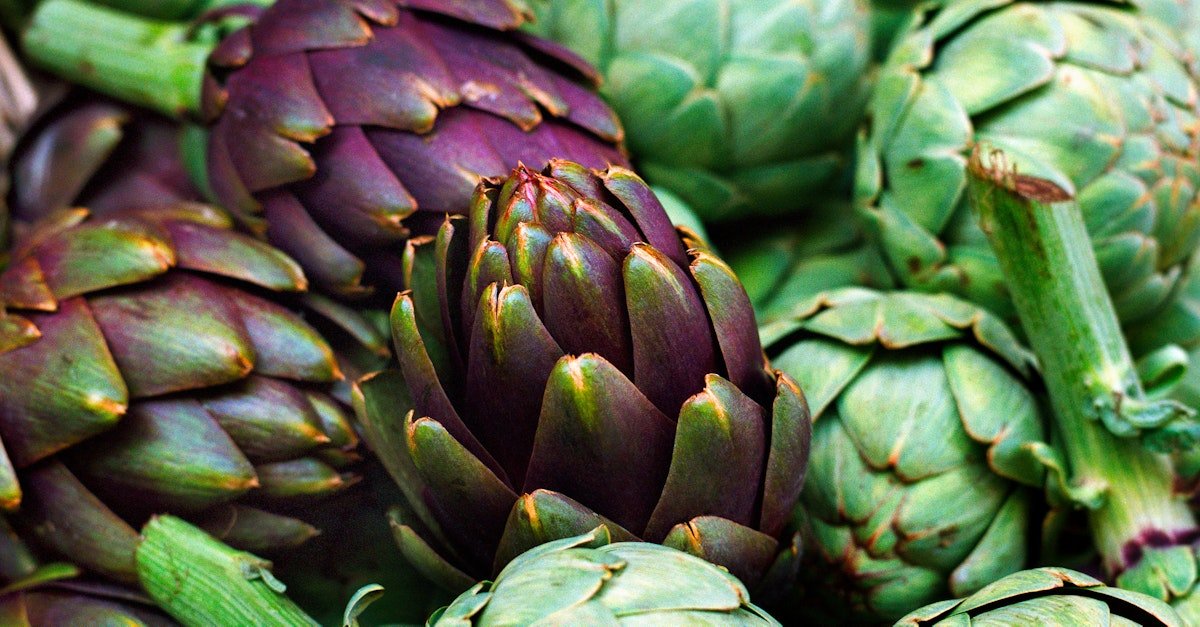
4. Artichokes
- 3.47 g of protein per artichoke
- 7.5% of the recommended daily amount of protein for females
- 6.2% of the recommended daily amount of protein for males
Artichoke hearts go well with pasta or dipped in sauces. They’re also a nutritious treat straight from the jar.
5. Mushrooms
Mushrooms can help round off your protein intake for the day. Cooked white mushrooms offer:
- 3.38 g of protein per 156-g cup serving
- 7.3% of the recommended daily amount of protein for females
- 6% of the recommended daily amount of protein for males
There’s a dizzying variety of edible mushrooms. Each type has a different amount of protein, a range of nutrients, and a distinct flavor.
In general, mushrooms give us good amounts of:
Their slightly meaty, earthy flavor makes mushrooms great in stir-fries, grilled or sauteed dishes, and omelets.
You can also stuff portobello mushroom caps with cheese, garlic, and other ingredients.
6. Kale
- 3.47 g of protein per 118-g cup serving
Kale is extremely nutritionally dense. It gives us at least 10% of the daily requirement of 17 different nutrients, including:
Kale adds texture to salads. You might also try it as lightly fried, seasoned chips. And blending kale into a smoothie will add a nutritional kick.
7. Swiss chard
This bitter, nutritious leafy green is a useful
- 3.29 g of protein per 175-g cup serving
- 7.2% of the recommended daily amount of protein for females
- 5.9% of the recommended daily amount of protein for males
Chard also boasts a wide range of vitamins and minerals, including:
You can eat chard raw in salads, or braised or boiled in soups, casseroles, and omelets. The tender stems have a milder flavor, so go for firmer leaves if you want chard’s full zing.
Opt in to receive ongoing science and nutrition emails, news and offers from ZOE. You can unsubscribe at any time.
8. Brussels sprouts
This underappreciated festive favorite can contribute to your daily protein intake, providing:
- 1.99 g of protein per half-cup (78-g) serving
- 4.3% of the recommended daily amount of protein for females
- 3.6% of the recommended daily amount of protein for males
You can roast, boil, or pan-fry Brussels sprouts. They work well in salads and stir-fries or as a side dish.
9. Asparagus
- 1.44 g of protein per four-spear serving
- 3.1% of the recommended daily amount of protein for females
- 2.6% of the recommended daily amount of protein for males
Asparagus is also highly nutritious for how many calories it contains. It offers significant servings of:
You can eat asparagus raw, but griddling, roasting, or boiling it softens its chewy texture. You can add it to stir-fries, pasta dishes, soups, or have it as a side.
10. Potatoes
Baked potatoes with the flesh and skin intact can be a great
- 4.3 g of protein per medium potato
- 7.7% of the recommended daily amount of protein for males
How you cook a potato can affect its nutritional content.
For example, par-frying potato before baking it in an oven (instead of just frying it) may preserve the more nutrients. This process also involves less fat.
Meanwhile, boiling potato can remove water-soluble nutrients, like certain vitamins. And removing the skin takes away a good
You can make oven-baked fries or wedges at home with the seasoning of your choice, or bulk out a baked potato with other protein-rich veggies.
We should note: Depending on how your body responds to food, potatoes might cause a pronounced blood sugar response.
Weight management and bodybuilding
Eating a variety of veggies will support your health goals, whether you’re looking to build muscle or reach and maintain a moderate weight.
At ZOE, we believe in focusing on high-quality foods and listening to your body’s signals that you’re full or hungry. This approach can support both weight management and fitness goals.
Eating a balanced diet — full of vegetables, fruits, whole grains, legumes, and quality fats and protein — can help give your muscles energy and provide all the nutrients you need.
Dr. Gardner observed that we typically eat more protein than we need for day-to-day living.
“Most people get about 16, 17, 18% of their calories from protein,” he said. “Without trying, they’re pretty much getting double the [recommended dietary allowance].”
In another ZOE Science & Nutrition podcast episode, we discussed protein and exercise with Prof. Ben Wall, a nutritional physiology expert from the University of Exeter, in the United Kingdom.
He said that if you’re looking to build muscle, it’s best to eat 1.6 grams of protein for every kilogram of your body mass every day. And he recommended spacing it out by having some protein in every meal.
Overall, if you’re looking to build muscle, you’re unlikely to need protein supplements. You’ll be able to get the right amount from food
Plus, there are real workout benefits to getting the vital nutrients, fiber, and plant compounds that most protein bars and drinks don’t provide.
To hear the conversation with Prof. Wall, you cancheck out the podcast episode.
Vegetables and gut health
As we mention above, vegetables are a
Certain kinds of fiber support the health and diversity of your gut bugs. In turn, a healthy, diverse community of gut bugs can support your immune and metabolic health.
If you’d like to know more about how specific vegetables and a healthy gut can help you achieve your health goals, ZOE’s personalized nutrition program could help.
You can use our at-home test to learn about which bugs make up your gut microbiome. With this information, we can then give you personalized recommendations to help you eat the best foods for you.
Add a scoop of energy*
Delicious. Crunchy. Energizing.
Summary
Many vegetables have powerful collections of nutrients, including protein. In this way, they can support your weight management or workout goals.
Misunderstandings about how much protein it takes to build muscle — and how to get it — mean that we might overlook the potential of protein-rich vegetables.
These plants can offer all the vital amino acids you need, plus lots of other healthy nutrients that animal
Beyond the options we list, some other plant
What vegetable gives you the most protein?
One cup (155 grams) of shelled edamame provides over 18 g of protein. Edamame are also a good
What is the best protein for sarcopenia?
It’s best to get protein from healthy, whole foods. Good choices include:
- legumes, like beans, lentils, or chickpeas
- fish, including salmon or sea bass
- dairy products, like milk, yogurt, or cottage cheese
What nuts are high in protein?
It’s best to eat a variety of nuts. Almonds, pistachios, and walnuts are high in protein and fiber.
