

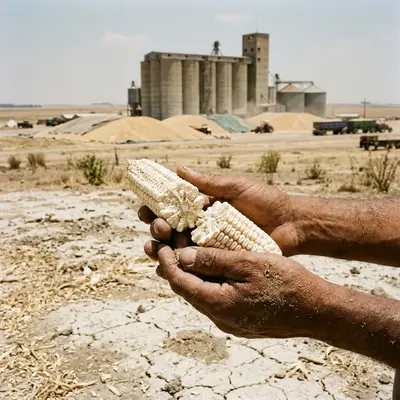
South Africa may celebrate record-breaking harvests of maize and grain, but full silos do not guarantee healthy citizens. Despite producing ample calories, the nation faces a severe malnutrition crisis marked by child stunting, anaemia, and rising lifestyle diseases, driven by a quiet phenomenon known as biological inflation.
Modern agricultural methods, soil degradation, industrial processing, and rising atmospheric carbon dioxide have stripped essential micronutrients from basic crops. To secure true food security, the country must look beyond sheer tonnage and start measuring harvests by their nutritional yield per hectare.
- SA faces widespread stunting and anaemia because national food security focuses on harvest tonnage rather than nutrient density.
- Biological inflation refers to the steady, multi-decade decline of vital minerals and vitamins within raw vegetables, fruits, and grains.
- Four primary drivers deplete crop quality: fast-growth genetic breeding, depleted living soil biology, industrial refining of staples, and elevated atmospheric carbon dioxide.
- Current agricultural policies reward farmers solely on physical weight and cosmetic appearance, treating mineral-rich produce the same as hollow starch.
- Adopting regenerative agroecology and shifting national metrics to nutritional yield per hectare can restore soil health and nourish communities.
