

May 26, 2026
ByHeidi Godman,
Managing Director
- Reviewed byHoward E. LeWine, MD,
Chief Medical Editor, Harvard Health Publishing; Editorial Advisory Board Member, Harvard Health Publishing
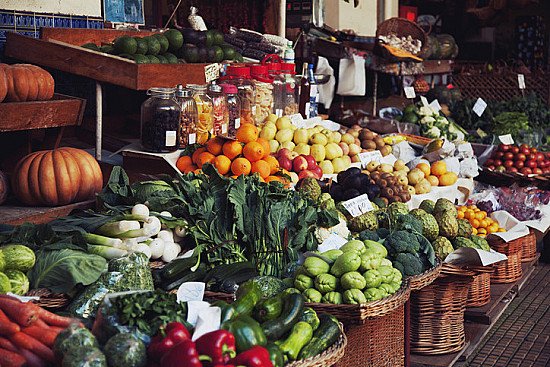
With summer almost here, you may be looking to offset the heat, especially in the kitchen. One way to do that is to create refreshing meals that take advantage of seasonal fruits and vegetables. Using summer superstars like watermelon, strawberries, cherries, blackberries, sweet corn, peppers, or zucchini will add color and flavor to your meals. They also add healthy fiber, phytonutrients, antioxidants, and inflammation-fighting choices to your plate. And you may even escape the heat of the stove.
Summer’s bounty
Depending on your area, summer produce can include
Fiber, micronutrients, and more
Summer fruits and vegetables contain many healthy ingredients. For example:
- Fiber. Biting into a fresh fruit or vegetable just sounds healthy – it’s that snap and crunch as you shred the plant’s fibrous strands. Fiber helps us in many ways. It’s the indigestible part of food that acts like nature’s broom, sweeping out what it can along its path, including possible carcinogens. Fiber keeps you full, and it’s associated with lower levels of cholesterol, blood sugar, and chronic inflammation. Fiber also increases the diversity and abundance of healthy bacteria in your gut.
- Micronutrients. Fruits and vegetables are packed with vitamins, minerals, and phytonutrients – plant chemicals like carotenoids (in tomatoes and squash), anthocyanins (in berries), and terpenes (in cherries) that may help ward off chronic inflammation and chronic disease. Eat the rainbow, as different color fruits and vegetables provide different antioxidants that provide protection against all chronic disease. The deeper the color of the fruit and vegetable, the richer the antioxidants.
- Water. Eating watery fruits and vegetables (cantaloupe, cucumber, peaches, strawberries, and watermelon) contributes to your fluid intake, helping you stay hydrated in the summer heat.
Putting it all together
With so many great fruits and vegetables available during the summer, you may wonder how to make the most of them. Here are some suggestions to get you started.
- Make a salad. Add a few blackberries to your usual greens, make a fruit salad, or try a Greek salad with cucumbers, tomatoes, and green peppers. To make it authentically Greek, put a slab – not too thick – of sheep’s-milk feta cheese on it. Increase the protein with chickpeas. Finally, make your own dressing, just balsamic vinegar and extra virgin olive oil.
- Build a pretty parfait. “Layer yogurt and fruit, such as strawberries and blueberries. It’s beautiful to look at, refreshing, and delicious. You can even take your favorite yogurt and freeze it, then add fruit on top.
- Saute vegetables for a primavera. Use any vegetables you like for this dish of lightly sauteed vegetables over pasta. One version: saute garlic, zucchini, yellow squash, onion, and red pepper in a little olive oil; add oregano; and serve over your favorite whole grain pasta.
- Grill vegetables. Eggplant, zucchini, and corn on the cob are especially good when brushed with olive oil and grilled. Try to keep vegetable slices thick, so they’ll hold up on the grill. Or dice any vegetables and cook them in a metal grill-top basket. Serve vegetables on top of whole grains such as quinoa.
- Create your own salsa. Dice fresh tomatoes, onions, green peppers, mango, and cilantro for a salsa to use on top of grilled fish or poultry.
- Make chilled soups. Try gazpacho (blended tomatoes, cucumber, green pepper, red onion, bread crusts, a little olive oil, salt, pepper, and cumin) or blueberry soup (blended blueberries and yogurt, plus a little apple juice and cinnamon). Refrigerate and serve cold.
- Grill fruit. Slice plums or peaches in two, remove the pits, and grill facedown for just a few minutes. Serve with a little cinnamon and a dab of frozen yogurt or nonfat Greek yogurt.
- Freeze fruit for a refreshing snack. Grab a handful of frozen blueberries or raspberries in the afternoon.
- Spritz citrus onto your food. A squeeze of lemon or lime onto a salad or grilled fish is refreshing and flavorful.
Have fun getting creative and finding new ways to enhance your diet with summer fruits and vegetables. Aim for at least three servings of fruit and two or more servings of vegetables per day. It should be easy if you can incorporate these foods into every meal.
About the Author
Heidi Godman,
Managing Director
Heidi Godman directs all news gathering for Harvard Health Publishing, and also directs the curation and production of HHP’s four monthly subscription publications (the Harvard Health Letter, Harvard Heart Letter, Harvard Men’s Health Watch, and Harvard Women’s Health …
See Full Bio
View all posts by Heidi Godman
About the Reviewer
Howard E. LeWine, MD,
Chief Medical Editor, Harvard Health Publishing; Editorial Advisory Board Member, Harvard Health Publishing
Dr. Howard LeWine is a practicing internist at Brigham and Women’s Hospital in Boston, Chief Medical Editor at Harvard Health Publishing, and editor in chief of Harvard Men’s Health Watch.
See Full Bio
View all posts by Howard E. LeWine, MD
Share
Print This Page
Disclaimer:
As a service to our readers, Harvard Health Publishing provides access to our library of archived content. Please note the date of last review or update on all articles.
No content on this site, regardless of date, should ever be used as a substitute for direct medical advice from your doctor or other qualified clinician.
