


From Brahmi to Neem, veteran botanist and lifelong gardener Swapna Ghosh shares seven medicinal plants that are easy to grow, low-maintenance, and rooted in everyday Indian wisdom.
ByGuest Contributor
Edited ByVidya Gowri Venkatesh
ByGuest Contributor10 Feb 2026
New Update
The author of this article Swapna Ghosh was once a national scholar in Botany and an active PhD researcher at Burdwan University. She has been a full-time gardener for the past 45 years. She loves to apply her plant-knowledge in everyday life and grows most of her own veggies, fruits, flowers and even medicinal plants. Her yard and rooftop together host more than 40 varieties of plants.
India is home to adiverse range of flora, with several plants holding significant medicinal value.
While over-the-counter medicines can be costly and may not be available in many areas, home remedies often come in handy as the first step.
There is nothing quite like nurturing medicinal plants right in your home garden. It is usually wise to choose varieties that are native to your region, as they require low maintenance. However, if you can create a suitable ambience, most medicinal plants do not involve much hassle.
Here, we explore seven such plants, highlighting their unique characteristics, care tips, and potential <a href="https://health.kporia.com/orange-di-surprising-benefits-of-glass-of-orange-juice/” title=”Orange: Di surprising benefits of glass of orange juice”>benefits, backed by years of observation and supported by research papers.
1. Brahmi (Jalnim)
Scientific name:Bacopa monnieri Linn.
Specifications and care tips:
Some super plants have been used by medical practitioners for centuries. Brahmi, orJalnim, is one of them and has been used in Ayurveda for over 3,000 years.
A creeper with juicy stems and oval-shaped leaves, it belongs to the Scrophulariaceae family. The entire plant, including the roots, is believed to have significant medicinal value. It produces white or bluish flowers and has a bitter taste.
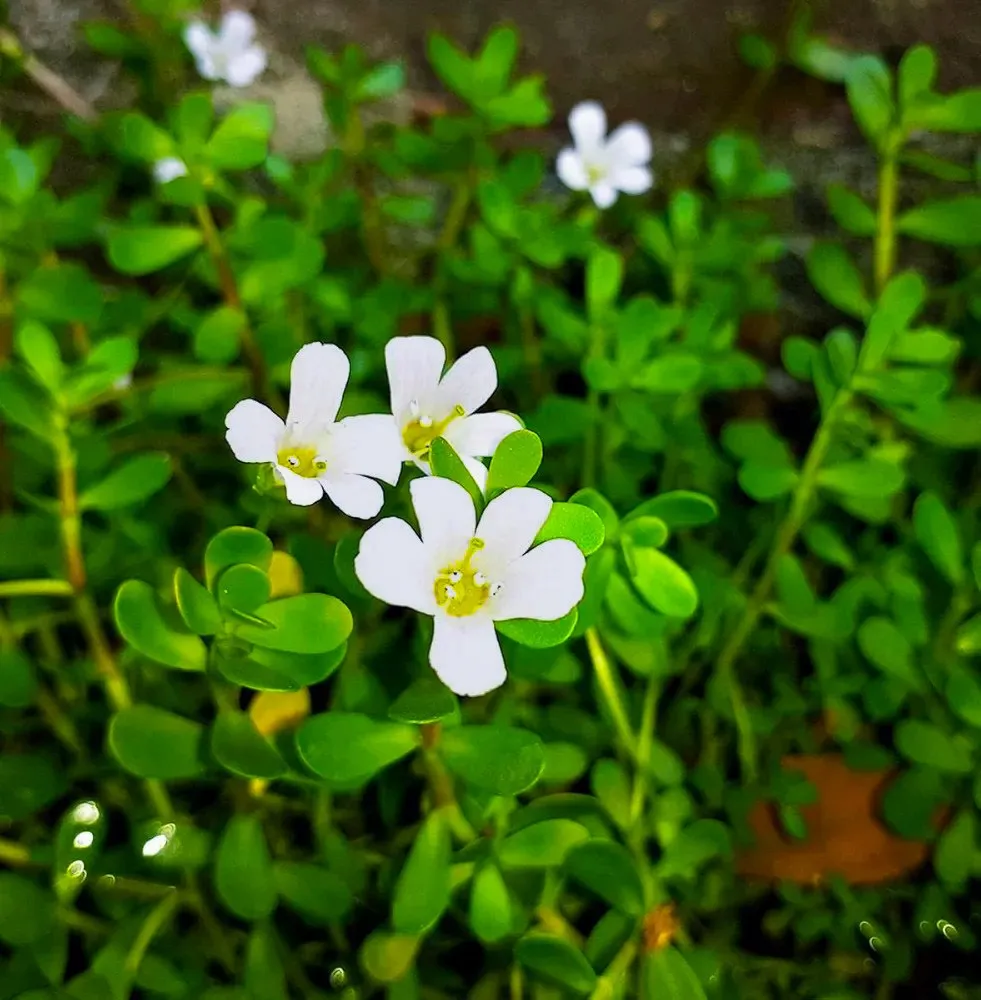
Brahmi is a great choice for humid climates and thrives in marshy areas. Propagation is easy from broken small branches that have at least three to four leaf nodes. Place them in a pot of water or moist soil; roots will soon develop, and theplant will thrive in partial shade.
Medicinal values:
Over the past century, several herbal supplement brands have created syrups using Brahmi, targeting memory enhancement, especially for students. But if you have the whole plant at home, why visit the market? Consuming two teaspoons of Brahmi leaf extract with half a cup of hot milk after breakfast has shown incremental improvement in memory power and learning rate.
2.Tejpatta(Bay Leaf)
Scientific name:Cinnamomum tamala
Specifications and care tips:
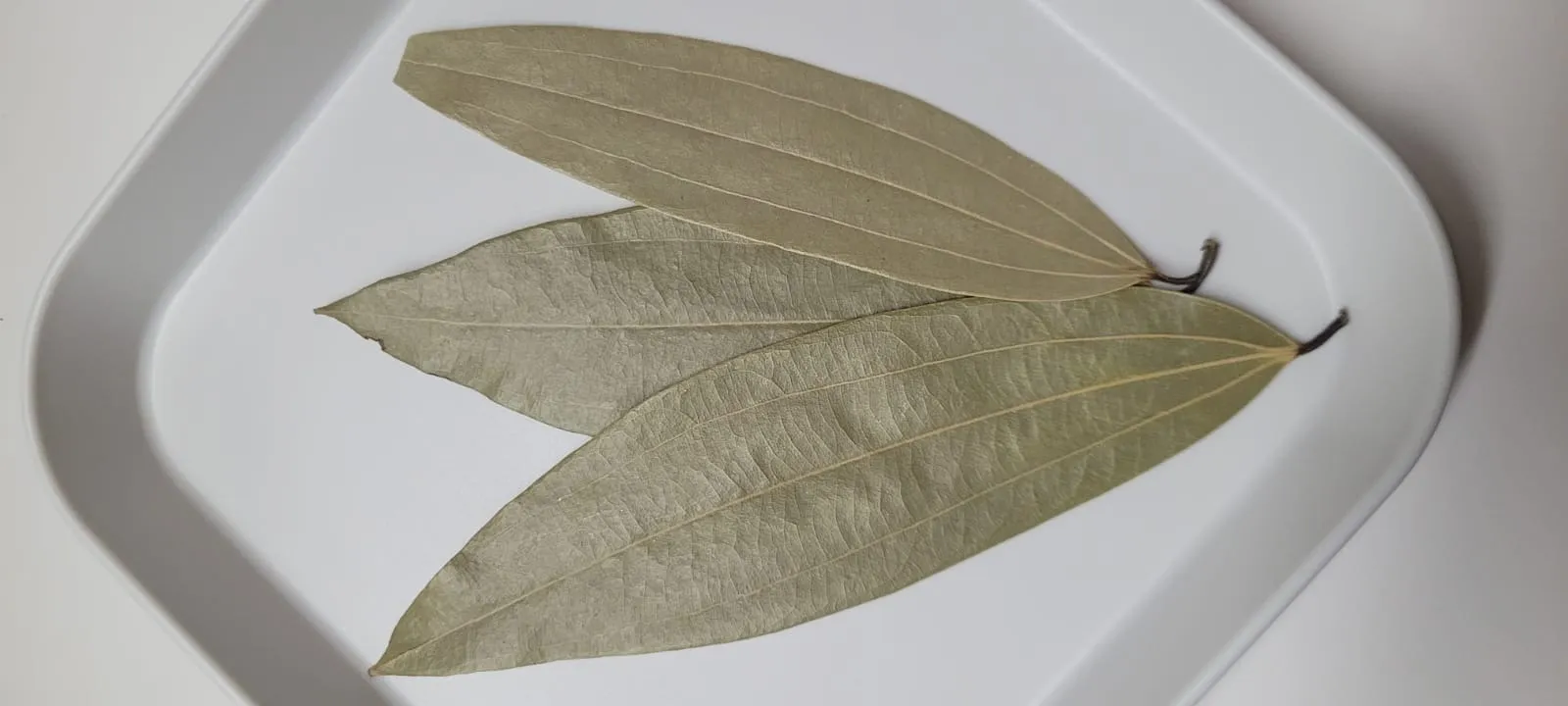
Tejpattais a medium-height tree belonging to the Lauraceae family and is native to India, Nepal, and Bangladesh. Plant it in a partially shaded area of your garden, as it can be sensitive to extreme weather conditions. Water regularly and fertilise annually to promote healthy growth.
Medicinal values:
Bay leaf has long been used as a home remedy to relieve respiratory issues. Boil five grams of cleaned and crushed leaves in four cups of water until it reduces to one cup. Sipping this infused tea twice a day for a week has shown symptomatic relief from laryngitis.
A study published by Medicinal Plants of South Asia also supports that bay leaves possess anti-inflammatory and antioxidant properties. These facts are further supported by the US National Institutes of Health.
3. Kalmegh(GreenChiretta)
Scientific name:Andrographis paniculata
Specifications and care tips:
Kalmegh can be propagated from seeds, which are available from specialty seed retailers. It is an annual plant belonging to the Acanthaceae family and prefers a tropical climate. Regular pruning is required. Plant it in garden beds or larger pots, ensuring well-drained soil and partial shade. Water regularly but avoid overwatering, as this can lead to root rot.
Medicinal values:
Kalmegh is a popular folk medicine in India, especially in Bengal and Tamil Nadu. Consuming half a teaspoon of Kalmegh leaf extract with a pinch of black elaichi powder twice a day may help reduce acidity. Mixing cleaned leaf extract with turmeric powder and applying it externally on minor wounds aids quick healing.
Its antibacterial and anti-inflammatory properties are supported by research published in the Asian Pacific Journal of Tropical Disease.
4. Kulekhara(Swamp Weed or Kokilaksha)
Scientific name:Hygrophila auriculata
Specifications and care tips:
Kulekhara is another super herb, as recognised in both Ayurveda and botany. It is commonly found in humid climates near swampy areas or ponds. Proper identification is essential. A mature plant shows thorns at the leaf base, and the flowers are violet or bluish in colour.
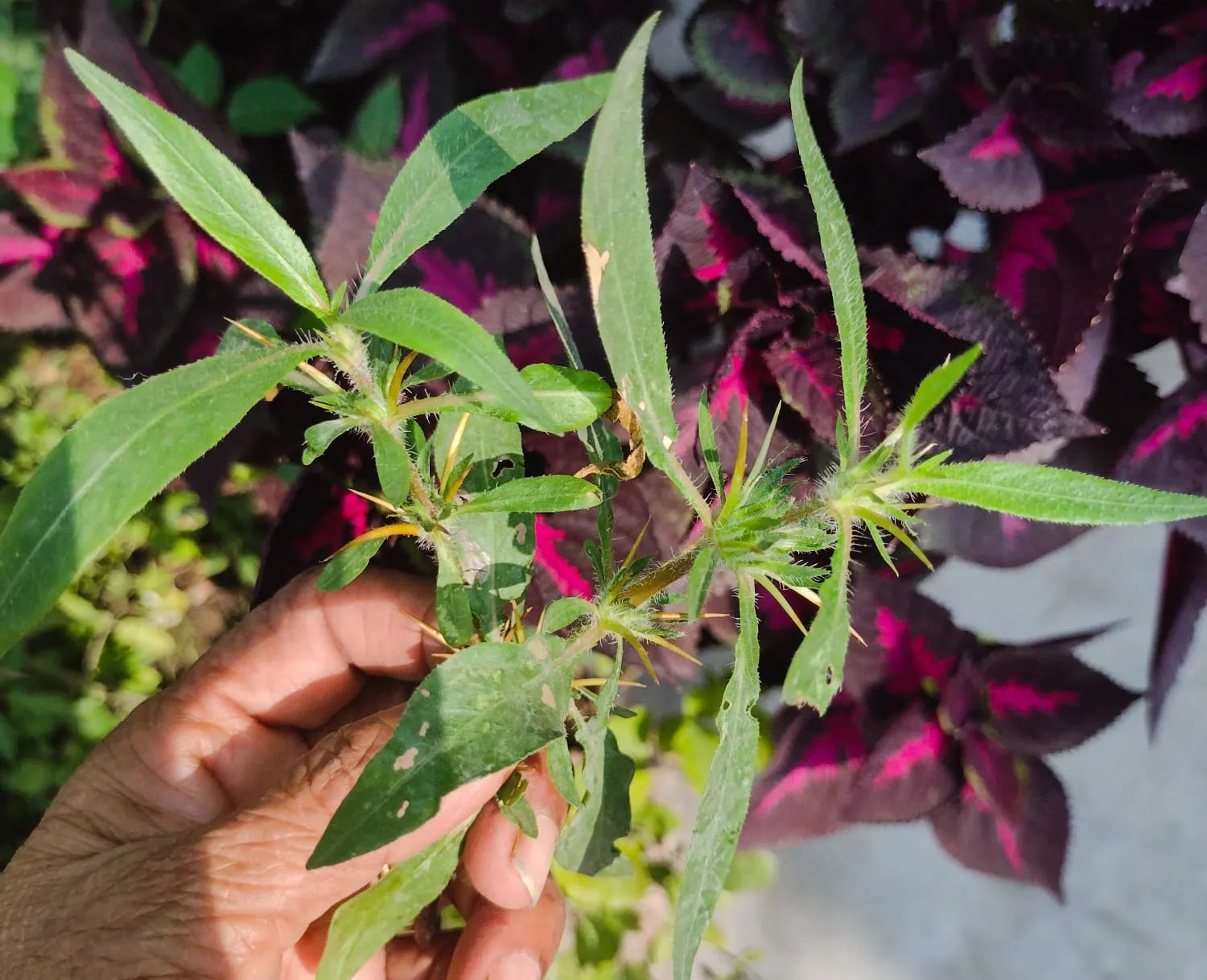
You can grow it at home by planting old roots or seeds in a wide pot. Always keep the soil moist. Apart from its medicinal uses, the plant also offers the beauty of tropical blooms on your balcony.
Medicinal values:
Kulekhara, or swamp weed, has been used for many years as a valuable therapeutic agent in both ancient and modern medicine.
The leaf extract is used by a popular pharmaceutical company in Bengal to produce a tonic that helps combat iron deficiency or anaemia. As a home remedy, consuming four teaspoons of cleaned leaf extract is believed to gradually increase haemoglobin levels in the blood.
5.ParijatPlant (Coral Jasmine)
Scientific name:Nyctanthes arbor-tristis
Specifications and care tips:
This night-blooming plant, common to South-East Asia, grows up to 10–15 feet tall and belongs to the Oleaceae family. PlantParijatin your backyard or in a large pot with well-drained soil and partial shade.
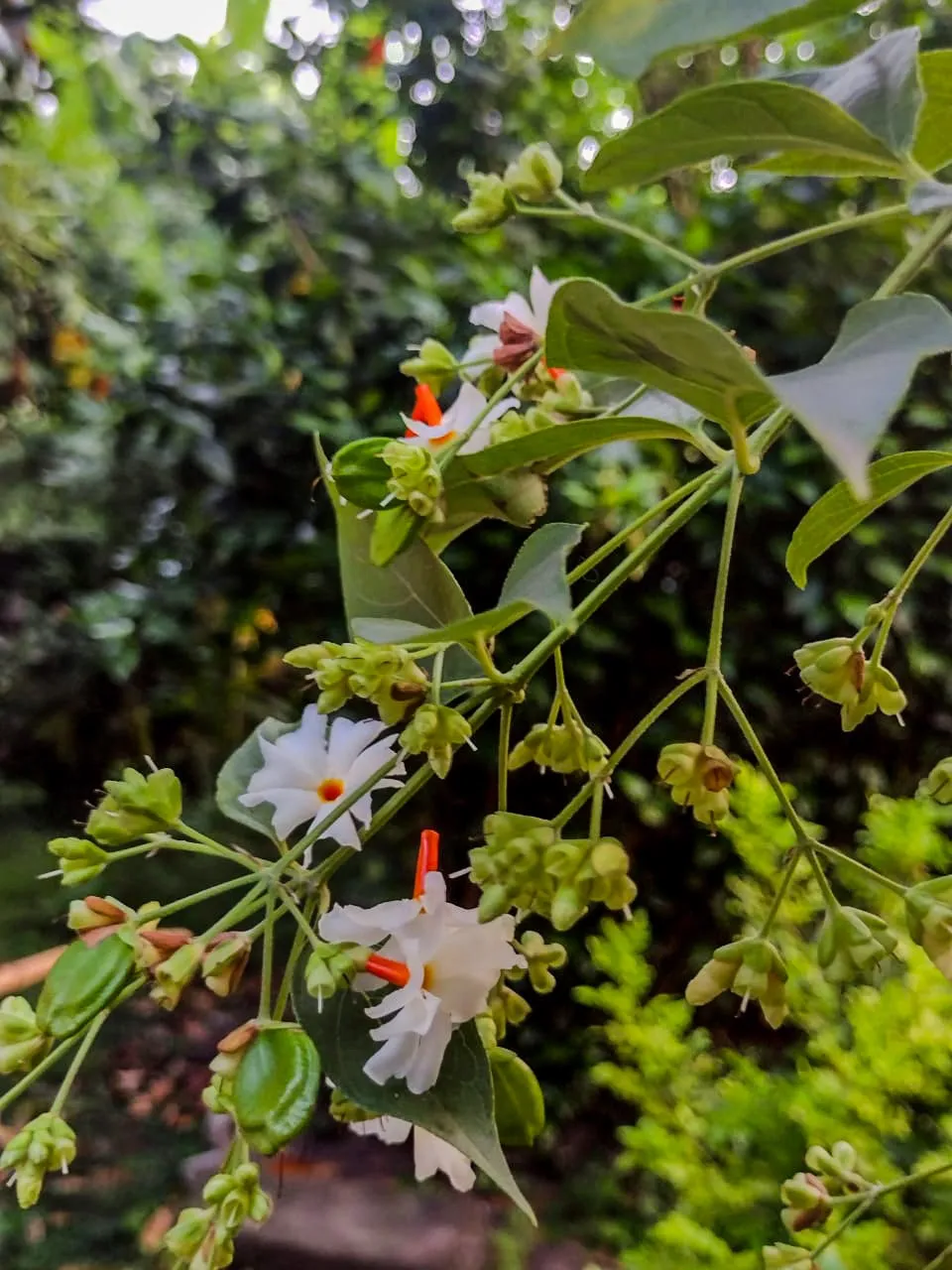
Water regularly and prune after flowering to encourage new growth. While Parijat flowers are commonly used for decoration or puja, very few people are aware of their medicinal value.
Medicinal values:
Consuming cleanedParijatleaf extract helps reduce common fever. Boil a few crushed leaves in four cups of water until it reduces to one cup; consuming this tea may also gradually decrease sciatica pain.
Some communities in North-East India also consume friedParijatflowers, which are believed to reduce daily weakness. These facts are supported by the BiomedPharma Journal.
6.Rasun(Garlic)
Scientific name:Allium sativum
Specifications and care tips:
Garlic belongs to the Liliaceae family and is native to India and adjacent temperate regions.
Growing your own garlic is easy, and having it within reach can help keep certain ailments at bay. It thrives in well-drained soil with full sun to partial shade. Plant cloves in autumn or early spring, about four to six inches deep and six to eight inches apart. Water regularly but avoid overwatering. Garlic is relatively pest-tolerant and thereforeeasy to grow at home.
Garlic, orRasun, is believed to help address respiratory issues, a claim supported by research published inScienceDirect. Due to its mucus-reducing properties, a few drops of garlic juice consumed with cold milk may help allec, especially on an empty stomach, is not recommended
7. Neem
Scientific name:Azadirachta indica
Specifications and care tips:
Neem is one of the most well-known trees in India and is often referred to as a miracle plant. The tree typically grows 15–20 metres tall and belongs to the Meliaceae family.
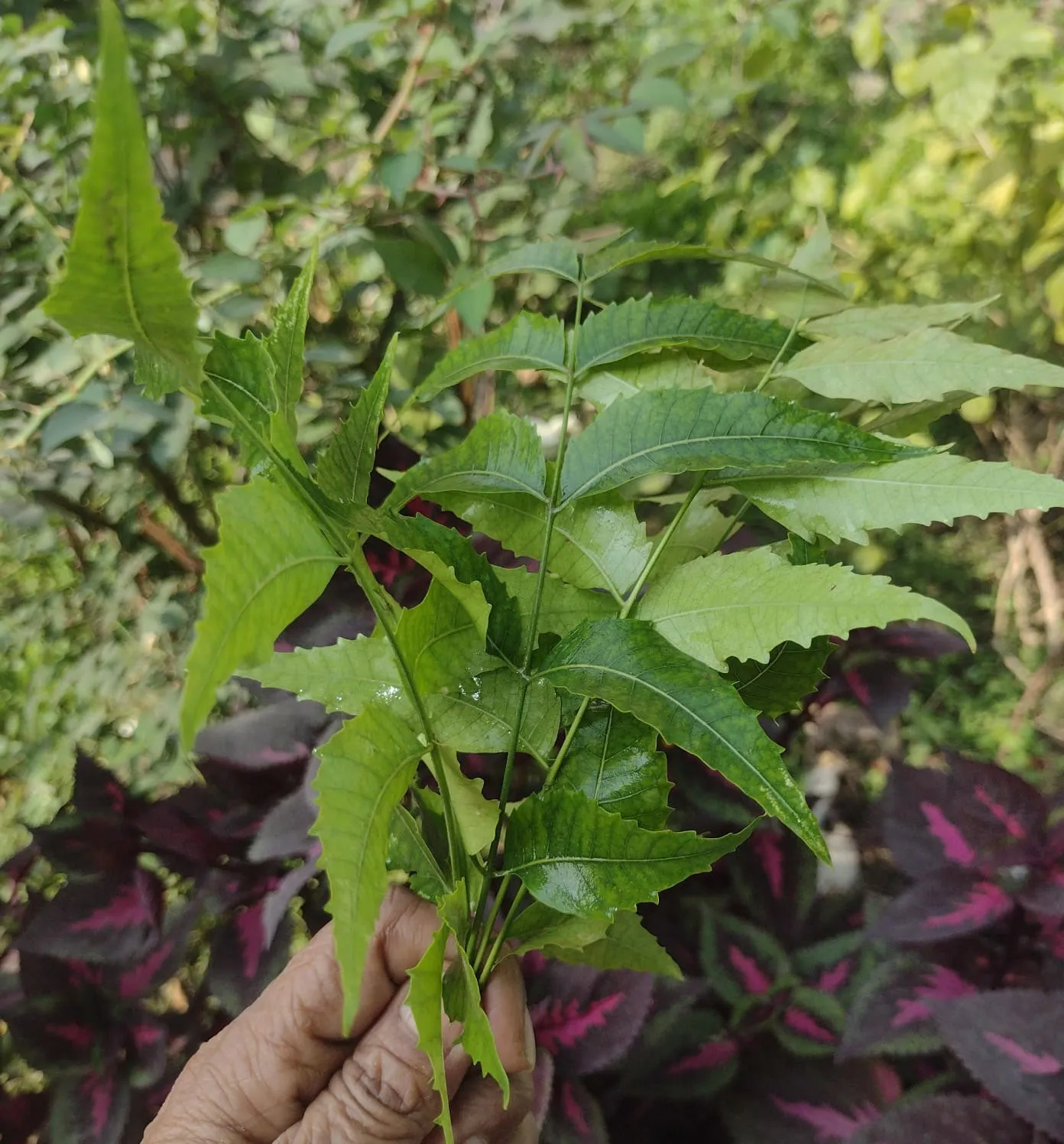
It thrives in tropical and subtropical regions of India and South-East Asia. For optimal growth, plant neem directly in garden beds where it can receive sufficient sunlight. Water regularly, particularly during the first year. Neem is highly pest-resistant and disease-free, making it low-maintenance.
Medicinal values:
In recent years, neem’s medicinal value has gained global recognition due to its antibacterial, antifungal, antiviral, anti-inflammatory, and antioxidant properties. The United Nations even named the neem tree the “Tree of the 21st Century” for its extraordinary features.
Since ancient times, neem leaf extract has been used to purify blood. Modern research papers, such as those published on the National Centre for Biotechnology Information platform, also support this claim.
Consuming the extract of ten neem leaves infused in water with four to five black peppers early in the morning is believed to help lower blood sugar levels.
Now that you know about these medicinal marvels of India, nurture them in your own garden. However, it is crucial to consult a healthcare professional when treating severe or complex health conditions. Let the beauty and benefits of nature’s apothecary enrich your life with the right guidance.
Happy gardening!
