


Dengue fever is a viral infection caused by the dengue virus and is mainly transmitted through the bite of an infective female Aedes aegypti mosquito. This viral infection can result in fever, headache, nausea, vomiting, muscle and joint pain, skin rashes and fatigue. When it comes to recovering from dengue fever, diet plays a critical role. Eating the right foods helps stimulate immunity, promotes hydration and offers the needed nutrients to combat the virus. On the contrary, certain foods can exacerbate symptoms or impede the recovery process.
To Combat Viral Fever And Boost Immune System, Shop From Our Broad Range Of Health Supplements
Poor appetite, fever, vomiting and increased fluid requirements can make it harder for the system to meet nutritional requirements during dengue. Therefore, a well-planned dengue diet focuses on good hydration, soft and easily digestible foods, adequate protein, carbohydrates, vitamins and minerals.
Why Is Nutrition Important During Dengue?
A healthy diet and good nutrition become specifically important during dengue because the system needs sufficient energy and key nutrients while combatting infection and recovering from illness. A nutritious diet can help:
Boost Energy Levels:Fever and infection can increase tiredness, reduce platelet counts and appetite. Adequate calories from easily digestible, soft foods can help meet increasing energy needs.
Speed up Recovery:Protein offers essential amino acids needed for maintaining and repairing body tissues.
Maintains Hydration: Fever, sweating, vomiting and poor fluid intake can contribute to fluid loss and result in dehydration. WHO recommends that people suffering from dengue fever should drink plenty of fluids to replenish fluids lost.
Provide Essential Micronutrients: Fruits, vegetables, pulses, dairy products, nuts and other nutrient-dense foods provide essential vitamins and minerals needed for strengthening the immune system and triggering metabolic functions.
A varied and balanced diet containing whole fresh fruits, vegetables, pulses, whole grains and good quality proteinnded by WHO
What To Eat During Dengue?
The best foods to eat during dengue fever are light, nutritious, easy to digest and well-tolerated foods. The tolerance levels can vary from person to person, especially when nausea or vomiting is present.
Good Hydration
Staying well-hydrated and getting adequate fluids are one of the most effective parts of dengue management. Along with replenishing the system with plain water, other suitable options include:
Oral rehydration solution (ORS), as and when recommended
Fresh, diluted fruit-based juices without excessive added sugar
Water-loaded fruits such as watermelon and oranges
Have frequent small sips rather than drinking a large quantity at once if nausea is present.
People suffering from dengue with other comorbid conditions should follow their doctor’s advice regarding fluid intake.
Excess thirst, continuous vomiting, reduced ability to drink, rapid breathing or other warning signs require prompt medical attention rather than relying on home remedies.
Add Easily Digestible Carbohydrates
Carbohydrates offer energy, which can be particularly useful when appetite is low and the patient is extremely fatigued. Good options include:
Go for preparations that are lightly seasoned and not excessively oily or spicy.
Add Adequate Protein
Protein is essential for maintaining body tissues and supporting recovery. Depending on dietary preference and tolerance, include:
Soft-cooked fish or lean chicken, if non-vegetarian
If appetite is poor, having small portions of protein at several meals may be easier than trying to consume a large protein-rich meal at once.
Eat Fresh Fruits and Vegetables
Fruits and vegetables provide fluids, carbohydrates, vitamins, minerals and other beneficial plant compounds. Suitable options can include:
Spinach and other well-cooked leafy vegetables
Choose fresh, hygienically prepared produce and wash it thoroughly before consumption.
Nutrient-Dense Foods
As fever settles and appetite improves, slowly return to a balanced and wholesome diet comprising whole grains, pulses, vegetables, fruits, dairy or superior quality proteint that provides adequate energy, protein, vitamins and minerals
Foods To Avoid During Dengue
There is no complete list of foods that those suffering from dengue must eliminate. However, some foods and beverages may worsen nausea, digestive discomfort or dehydration and are best restricted during the illness.
Very Oily and fried foods are difficult to digest, especially when nausea or vomiting is present. Avoid all deep-fried snacks, fried chicken, chips, pakoras and oily gravies.
Highly spicy foods may aggravate nausea, stomach discomfort or acidity in some people. Prefer mild preparations until digestion and appetite improve.
Processed and Sugary Foods offer empty calories without offering any vital nutrients needed for recovery. It is best to limit intake of soft drinks, energy drinks, cakes and pastries, highly processed snacks and excessively sweetened beverages. WHO recommends limiting foods and beverages high in free sugars, unhealthy fats and sodium.
Can Papaya Leaf Juice Increase Platelets During Dengue?
Papaya leaf juice is a popular time-tested remedy for dengue, but it should not be considered a proven treatment for dengue or a substitute for medical care.
Similarly, foods such as papaya, pomegranate, kiwi or other fruits may be nutritious additions to the diet, but there is no specific food proven to cure dengue or reliably increase platelet counts enough to replace medical management.
Platelet counts and other clinical parameters should be monitored according to the treating doctor’s advice.
Does A Dengue Diet Increase Platelet Count?
A healthy and nutritious diet supports overall recovery, but there is no scientifically established “platelet-boosting diet” that can independently treat dengue.
Platelet counts can vary during dengue, and the risk of severe disease is assessed using symptoms, clinical parameters, and appropriate blood tests rather than platelet count alone. Therefore, do not delay medical care while trying dietary remedies.
Sample One-Day Dengue Diet Plan
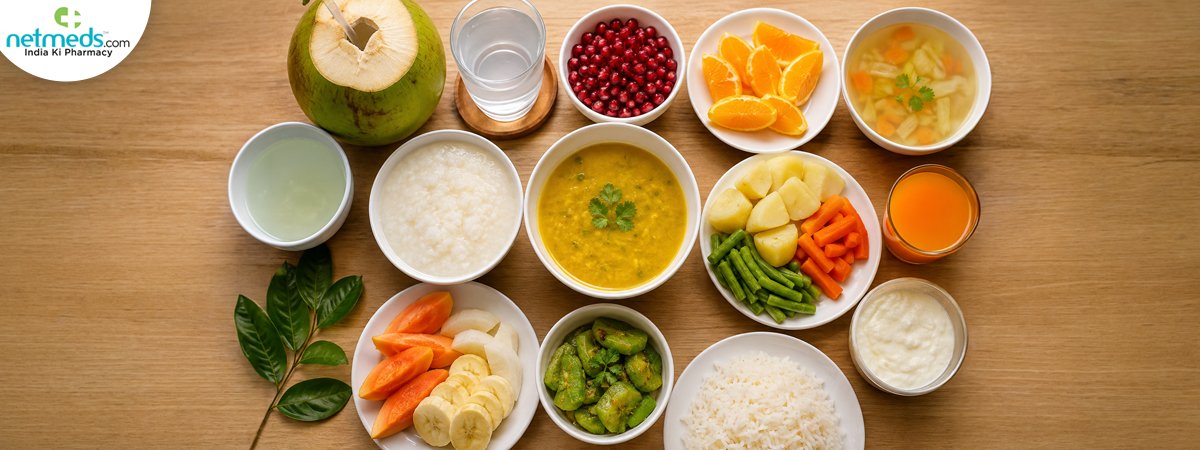
Early morning: Water or prescribed oral rehydration fluid
Breakfast: 2 idlis with thin dal sambar
Mid-morning: Banana, orange or other tolerated fruit
Lunch: Mashed rice/khichdi with moong dal, boiled vegetables and curd
Evening: Tender Coconut water or clear soup
Evening snack: Light porridge or clear vegetable soup
Dinner: Vegetable khichdi or dosa with dal and cooked vegetables
Bedtime: Warm milk, if tolerated
This is a sample meal plan and an example, not an individual therapeutic diet plan. Dietary requirements may differ according to age, symptoms, nutritional status, diabetes, kidney or heart conditions, pregnancy and other health conditions.
Other Important Tips During Dengue Recovery
Get adequate rest.
Drink plenty of fluids.
Follow the treating doctor’s instructions and recommended blood-test monitoring.
Eat small, frequent meals if appetite is reduced.
Maintain good food and water hygiene.
Avoid self-medication with aspirin or ibuprofen because these medicines can increase the risk of bleeding in dengue.
When Should You Seek Immediate Medical Care?
Dengue can progress to severe dengue, particularly around the critical phase of illness. Seek urgent medical attention if symptoms such as the following occur:
Bleeding from the gums or nose
Extreme weakness, restlessness or unusual drowsiness
Excessive thirst or difficulty drinking
Importantly, a drop in fever does not always mean that dengue is improving. Warning signs can appear around the time the fever decreases, so evaluation is important.
Frequently Asked Questions
What Is The Best Food To Eat During Dengue?
Soft, easily digestible and nutrient-rich foods such as khichdi, idli, rice, dal, curd, cooked vegetables, fruits and suitable protein
Which Fruits Are Good During Dengue?
Fruits such as papaya, guava, oranges, banana, watermelon, apple and pomegranate can provide fluids, carbohydrates, vitamins and minerals.
Can I Drink Coconut Water During Dengue?
Coconut water can contribute to fluid intake and may be included if it is tolerated. However, it should not replace medical advice or prescribed fluid and electrolyte management.
Conclusion
A dengue diet should focus on hydration, adequate calories, protein and a variety of nutrient-rich foods that are easy to tolerate. Water, ORS when advised, soups, coconut water, fruits, soft rice-based meals, pulses, dairy and suitable proteind, eating nutritious foods, resting and recognising warning signs early are important components of dengue recovery
https://www.dipterajournal.com/pdf/2017/vol4issue1/PartA/4-1-10-484.pdf
https://jnmhs.com/archive/volume/5/issue/4/article/1888
Importance of proper nutrition in dengue infections
IP Journal of Nutrition, Metabolism and Health Science. 5(4):140-142, 2022. | https://doi.org/10.18231/j.ijnmhs.2022.026
