

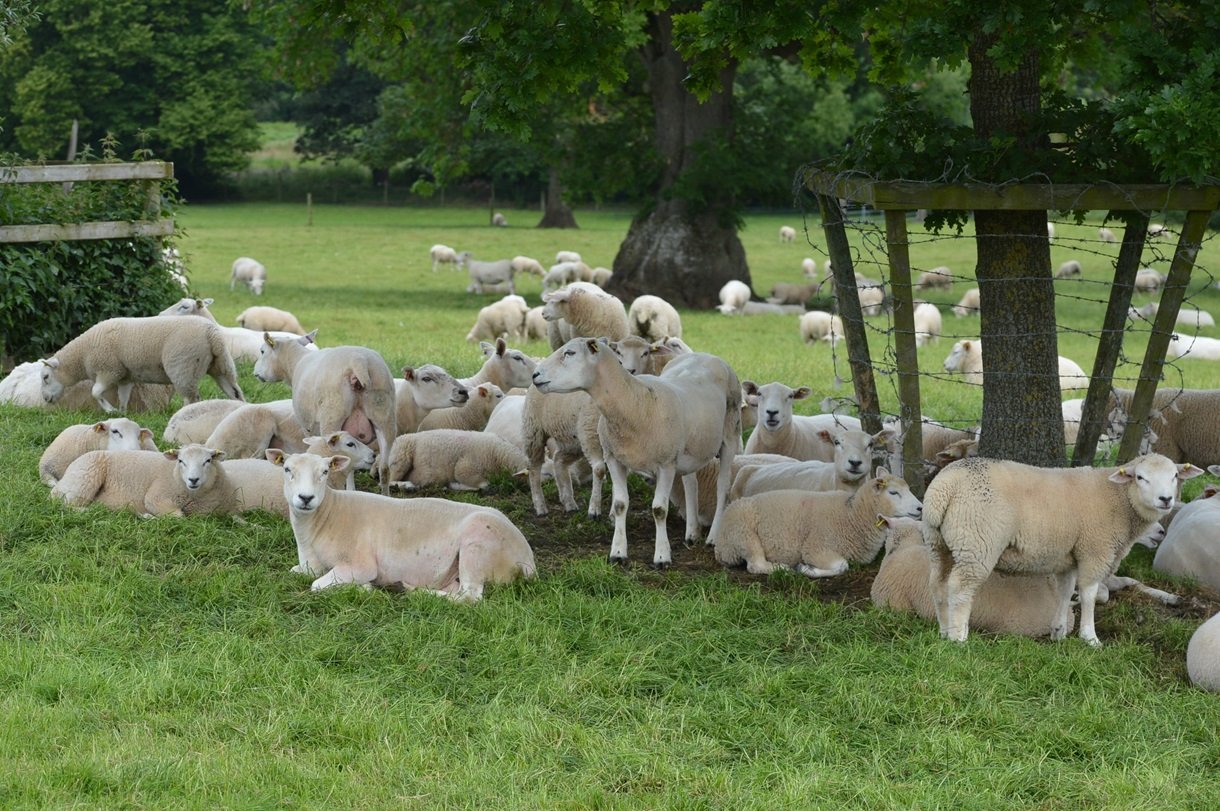
Mineral nutrition is often an overlooked factor in lamb performance. In this article College of Agriculture, Food and Rural Enterprise (CAFRE) Adviser, Jack Friar highlights that trace element deficiencies are relatively common in grazing livestock systems due to soil and forage mineral variation across different regions.
While farmers commonly focus on grass availability, parasite control and genetics, deficiencies in key trace elements can quietly reduce lamb growth rates throughout the grazing season.
In many cases lambs appear healthy but fail to achieve expected growth rates. Subclinical mineral deficiencies can affect appetite, immune function and feed efficiency, ultimately slowing weight gain and delaying finishing.
Jack said: “Mineral status should not be overlooked when investigating poor lamb performance. Mineral deficiencies often go unnoticed because the symptoms can be quite subtle,” he explained. “However, they can still have a significant impact on lamb growth rates and overall flock performance.”
Why minerals matter
Minerals play an important role in a wide range of biological processes in sheep. Trace elements such as cobalt, selenium, copper and iodine are essential for metabolic function, immunity and growth.
Where lambs do not receive adequate levels of these nutrients, growth performance can be affected even if grass supply appears adequate.
Under good grazing conditions lambs should typically achieve 200–250 g/day liveweight gain during the summer grazing period.
Feed efficiency and growth
Mineral deficiencies can also affect how efficiently lambs convert feed into bodyweight.
Lambs gaining around 250 g/day may require approximately 4–5 kg of dry matter per kilogramme of liveweight gain, whereas lambs growing more slowly may require 6–7 kg of dry matter per kilogramme of gain.
Where mineral deficiencies reduce appetite or metabolic efficiency, feed conversion can deteriorate, reducing the productivity of grazed grass.
Cobalt deficiency
Cobalt deficiency is one of the most reported mineral issues affecting lamb performance in grazing systems. Cobalt is required by rumen microbes to produce vitamin B12, which is essential for energy metabolism and appetite.
Where cobalt levels are insufficient, lambs may display reduced appetite, poor weight gain, dull coat condition and general lack of thrive.
In affected flocks’ growth rates may decline by around 10–15%, which can significantly delay finishing times. Younger lambs are particularly vulnerable to cobalt deficiency because their rumen function is still developing during the early grazing season.
Selenium deficiency
Selenium is another important trace element involved in immune function and muscle development.
Low selenium levels can increase the risk of conditions such as white muscle disease in young lambs, but more commonly the impact is seen through reduced growth and poorer overall health. Lambs with low selenium levels may experience reduced growth rates, poorer immune response and increased susceptibility to disease.
Copper and Iodine
Copper plays a role in enzyme activity, bone development and immune function. However, copper nutrition in sheep requires careful management.
Copper absorption is strongly influenced by interactions with other minerals such as molybdenum, sulphur and iron. High levels of these minerals in soil or forage can reduce copper availability. Symptoms of copper deficiency may include reduced growth rates, poor fleece quality and loss of wool pigmentation.
Iodine is required for thyroid hormone production, which regulates metabolism and growth.
Soil and forage variation
The mineral content of grazed grass is influenced by soil type; fertiliser use and seasonal conditions.
In many areas of Northern Ireland soils may naturally contain low levels of certain trace elements, particularly cobalt and selenium.
Productive grassland in Northern Ireland can produce around 10–14 tonnes of dry matter per hectare annually under good management. Even where grass production is high, deficiencies in trace elements can reduce the efficiency with which lambs convert grazed grass into liveweight gain.
Monitoring mineral status
Where poor lamb growth is suspected, investigating mineral status can help identify underlying issues. Common monitoring approaches include blood sampling, liver sampling and forage mineral analysis. These tests can provide valuable information about the mineral status of the flock and guide appropriate supplementation strategies.
When to investigate mineral status
Farmers should consider investigating mineral deficiencies where lamb growth rates fall below 200 g/day, lambs fail to finish despite adequate grass supply, lambs show poor thrift or uneven growth occurs within lamb groups.
Economic impact of slower lamb growth
Even relatively small reductions in lamb growth rates can have a noticeable financial impact.
If mineral deficiency reduces lamb growth by 30 g/day over a 100-day grazing period, lambs may finish around 3 kg lighter than expected.
Finishing targets
Most lamb processors in Northern Ireland target carcass weights of 20–21 kg, typically at fat class 3. To achieve this carcass weight lambs generally require a liveweight of around 42–48 kg depending on kill-out percentage.
- Lamb growth targets at grass: 200–250 g/day
- Mineral deficiencies can reduce growth rates by 10–15%
- Lambs gaining 250 g/day convert grass more efficiently than slower-growing animals
- A reduction of 30 g/day growth can reduce lamb value.
- Mineral status can vary significantly between farms due to soil and forage differences
Jack concluded: “Ensuring lambs receive adequate mineral nutrition alongside good grass management and parasite control can help maintain strong lamb performance throughout the grazing season. Addressing mineral deficiencies early helps ensure lambs achieve their full growth potential and supports improved flock productivity and profitability.”
For further information please visit the business support area of the CAFRE website.
