


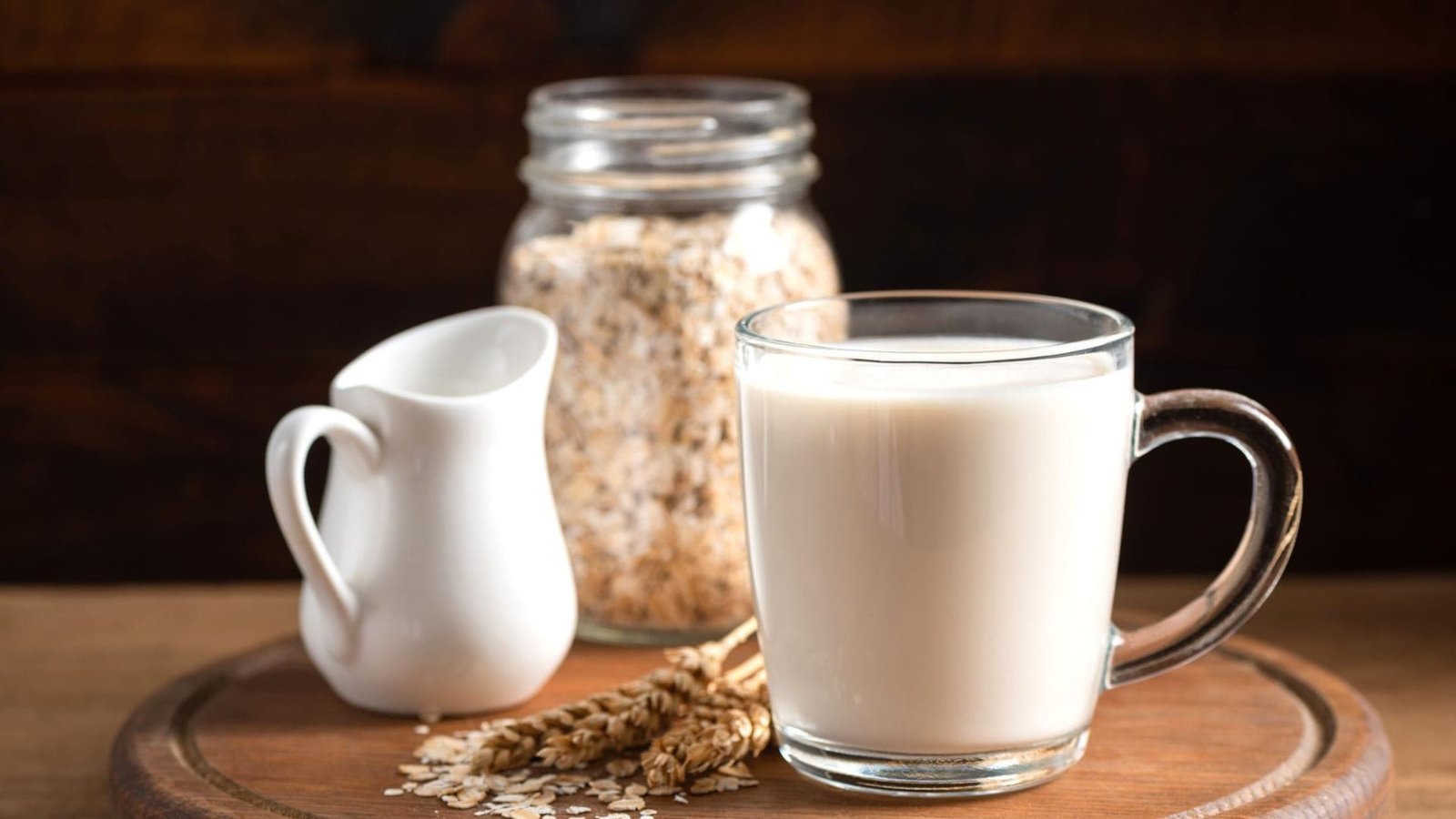
Plant-based dairy swaps may leave a key nutrient behind
A UK modeling study suggests replacing dairy with plant-based alternatives could deepen iodine shortfalls, especially among teenage girls and women.
Plant-based milk, yogurt and cheese make it easy to cut back on dairy without rethinking every meal.
In the UK, though, dairy is one of the main places people get iodine, a mineral the body uses to make thyroid hormones. Most plant-based versions contain very little of it.
A new modeling study estimates that swapping about a third of dairy for store-bought plant-based products would leave more teenage girls and young women short of iodine.
The same model also tested a fix, and adding iodine to both the plant-based products and bread kept every age group at least as well supplied as before.
Researchers at the University of Surrey and <a href="https://www.qub.ac.uk/home/Research/GRI/TheInstituteforGlobalFoodSecurity” rel=”nofollow noopener” target=”_blank”>Queen’s University Belfast asked no one to change their diet.
The study, led by Katie Nicol, used real food diaries and calculated how much of four vitamins and minerals people would get if some of their dairy were replaced.
“With the rise in plant-based alternative foods, we need to know whether they are like-for-like replacements for the micronutrients that are found in dairy products,” said Nicol.
British milk is rich in iodine
Cow’s milk in the UK is rich in iodine partly because farmers add it to cattle feed to keep animals healthy. Iodine-containing disinfectants used in dairy production add to it.
Many countries add iodine to table salt. The UK doesn’t have that policy, and iodized salt is hard to find in British shops, so dairy has become the country’s main iodine source.
In the team’s earlier survey of UK supermarkets, only 12% of plant-based alternatives had added iodine, and even those often contained less than cow’s milk.
Sarah Bath, an associate professor in public health nutrition at the University of Surrey, was also involved in the study.
“People may also be unaware of the importance of iodine, which is needed to make thyroid hormones to regulate our metabolism, support healthy growth and brain development,” said Bath.
How the team tested the swap
The team started with the UK’s National Diet and Nutrition Survey.
Between 2016 and 2019, the survey asked 3,558 people, from 18-month-olds to adults up to 100, to write down everything they ate for four days.
The researchers focused on the 3,095 people who ate some dairy during those days, since there’s nothing to swap in a diet without it.
On an average day, these people had about 237 grams of milk, cheese and yogurt.
The team then replaced that dairy, gram for gram, with plant-based versions from UK supermarket websites. Each one was picked at random, so the results reflected how widely those products vary.
The researchers tested four levels of change, replacing 20%, 35%, 50% or all of a person’s dairy. The first two match the UK climate plan’s call to cut meat and dairy by 20% by 2030 and 35% by 2050.
The 50% level reflects international advice to cut animal foods worldwide by more than half. Dairy contributes substantially to greenhouse gas emissions.
Teenage girls fared worst
Teenage girls were the worst off from the start, and those aged 14 to 18 ate less dairy than any other group.
The team estimated that 54% of them fell short of the daily iodine benchmark nutritionists use to judge whether a group is getting enough.
In a population with enough iodine, only about 2% to 3% of people would fall below that line.
The model estimates that replacing just over a third of their dairy would push the share of teenage girls falling short to 65%.
For women of childbearing age, 19 to 49, it would climb from 32% to 42%.
The authors wrote that iodine is especially important during pregnancy, infancy and adolescence.
If all dairy were replaced, the model estimates that 80% of teenage girls and 72% of teenage boys would fall short.
Young children, teenagers and adult women had the biggest drops overall.
Calcium, riboflavin (a B vitamin) and vitamin B12 intakes also fell, but shortfalls became more common only when half or all of the dairy was replaced. Iodine was the most sensitive of the four.
Next, the team tested three fixes. The first required every plant-based product to contain all four nutrients, at the minimum level needed to be labeled a
The requirement kept average intakes steady, but it didn’t fix the shortfall teenage girls already had. Between 56% and 59% of them still fell below the iodine benchmark.
The second option was bread, which six in 10 people in the survey ate. Australia and New Zealand already require bakers to use iodized salt in bread.
In the model, doing the same with all commercially made bread cut the share of teenage girls short on iodine from 54% to 37%.
For women aged 19 to 49, iodized bread helped less as dairy disappeared.
Their shortfall dropped from 32% to 24% when a fifth of their dairy was replaced, but rose to 44% once all of it was gone.
The best results came from doing both. With iodine added to plant-based products and to bread, every age group kept or improved its iodine supply, even with no dairy at all.
None of the policies raised the share of any group getting too much iodine.
“Nutrition policy must evolve in tandem with environmental targets; however, it is important that shifts towards more sustainable diets do not compromise on public health,” Nicol said.
What the model cannot show
The study is a set of calculations, not a trial in which people changed what they ate. It assumes everyone shifts in the same way, even though interest in plant-based products varies with age, sex and culture.
Without sales figures, the model gave every product the same chance of being picked, though real shoppers don’t buy them equally.
The product data also come from a 2020 survey, and recipes in this market may change.
Nor did the team look at how well the body absorbs nutrients from fortified foods. People who ate no dairy at all, 13% of the survey, were left out, so it’s unknown how fortification would affect them.
Whether real diets will shift the way the model assumes remains an open question.
The authors called for continued tracking of what people eat, and how much of each nutrient they get, as the food supply keeps changing.
The full study was published in the journal The Lancet Planetary Health.
Like what you read? Subscribe to our newsletter for engaging articles, exclusive content, and the latest updates.
Check us out on EarthSnap, a free app brought to you by Eric Ralls and Earth.com.
