

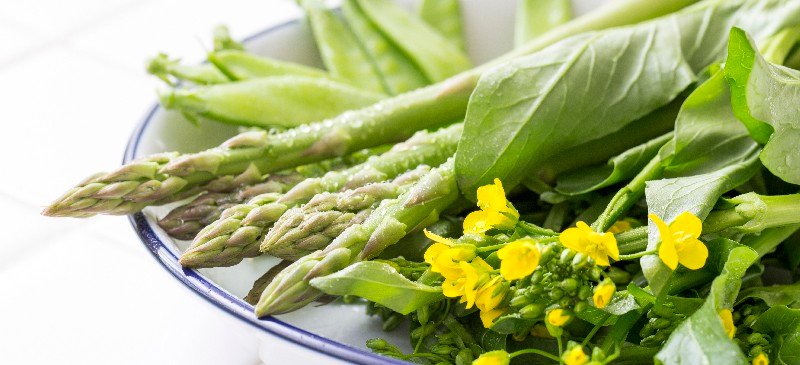
Springtime is a symbol of new beginnings, a boost of activity within nature and an abundance of fresh produce after the hibernation of winter. We know that eating seasonally, when fruits and vegetables are at their freshest and available locally, is the healthiest and most sustainable way to fuel your body. Thankfully, there’s a long list of spring vegetables that become available at local farmers markets and grocery stores, including artichokes, fava beans and radishes.
Adding fresh spring veggies into your diet will not only boost your nutrient intake, but add texture and flavor to your everyday salads, sandwiches and entrees.
What are the top spring vegetables?
1. Artichokes
Artichoke season peaks in the spring and fall, and nearly 100 percent of this spring vegetable grows in the United States.
Artichokes have a unique nutty and slightly sweet flavor and can be steamed, boiled or roasted, and they come with a slew of health benefits, too. They are rich in antioxidants, help boost heart health, and are a good
When selecting artichokes, opt for the heaviest and firmest, with a healthy green color and closed petals. Try adding them to salads, soups, pasta dishes, omelets and sauces. Artichoke dip is always a good option.

2. Asparagus
Asparagus is a popular spring vegetable that contains virtually no fat while being very low in calories. It’s rich in fiber, vitamin K and vitamin A. Plus, asparagus has anti-inflammatory and antioxidant properties, and it serves as a natural diuretic that promotes detoxification.
When shopping for asparagus, test its freshness by making sure it would snap when bent.
You can roast, grill, bake or steam asparagus. It can also be eaten raw or pickled. Try this garlic asparagus recipe as a side dish.
3. Green peas
Fresh green peas are a quintessential spring vegetable. With a sweet and delicate flavor, they can be added to a long list of recipes.
Did you know that peas are a greatf protein, making them a healthy food option. Peas are also high in fiber and vitamins A, C and K
Peas can be eaten raw or cooked, and they are great in salads, soups or as a side dish. You can also blend them to make drips or spreads that pair well with raw vegetables.
Try this creamy pea salad recipe or this easy pea soup.
4. Radishes
Radishes are loved for their crunchy texture and spicy flavor, making them a great spring vegetable for salads and sandwiches. Radishes are low in calories and high in antioxidants. They also contain a good amount of fiber, which makes you feel fuller after meals and promotes digestive regularity.
You can eat radishes raw or even pickle them. Try this zoodle salad recipe that gets its crunch from radishes or this Mexican chicken pozole verde recipe.
5. Rhubarb
Rhubarb has a sweet fruit-like flavor and is often used in fruity recipes like pies, but it’s actually one of the best spring vegetables because of its taste, vibrancy and versatility. Plus, rhubarb is a high-fiber food that helps ease digestive complaints, contains vitamin K that strengthens the bones and helps reduce inflammation.
Rhubarb can be roasted, stewed and baked. It’s typically combined with other sweet ingredients, like berries, to help balance out its flavor. You can also use it to make jam, salads, salsas and chutneys.
Try these health-packed rhubarb recipes.
6. Spinach
Spinach is a leafy green that is packed with vitamins and minerals, contributing to its many health benefits. It contains over 100 percent of your daily recommended intake of vitamin K, plus vitamin A, vitamin C, iron and folate.
Spinach contains powerful antioxidants, helps boost heart health and promotes a healthy immune system.
It can be eaten raw in salads or cooked in a variety of dishes, such as pasta, quiches or casseroles. Try this pear salad recipe with sauteed spinach or this crustless spinach quiche.
7. Watercress
Watercress is a peppery green that’s low in calories but high in vitamins A, C and K. It also contains omega-3 fatty acids, helps reduce inflammation and supports healthy skin.
Use watercress to add a zing of flavor to sandwiches or salads. It can also be pureed and added to soups. It’s spicier than spinach because of its mustard background and pairs well with melons, beets and nuts.
8. Carrots
Carrots are highly nutritious and cleansing because of their fiber content. Plus, they are extremely high in vitamin A, which benefits immunity, eye health, reproduction, skin health and bone strength.
Although orange is their signature color, carrots come in a variety of colors and are among one of the most popular spring vegetables.
Carrots can be roasted, boiled, baked or eaten raw as a snack. They can also be juiced, candied and pickled. Try this gluten-free carrot cake recipe or this raw superfood carrot salad.
9. Beets
Beets are a root vegetable that have a sweet and earthy flavor and pair well with other spring vegetables. They are high in antioxidants, vitamins A and C, and they may enhance athletic performance and cognitive function. In ancient medicine, beets were used to improve heart weakness, liver toxicity, irritability and restlessness.
Beets can be roasted, boiled, or shredded and eaten raw in salads. They are also a great addition to smoothies, sandwiches, paninis and pasta dishes.
Some easy ways to prepare beets include this healthy roasted beet hummus and this hearty arugula salad with pecorino and beets.
10. Fava beans
These nutty-tasting beans are high in protein and fiber and also contain folate, manganese, copper and other important minerals. Fava beans help support healthy cardiovascular function, a strong immune system and healthy motor function. They can also provide energy.
Fava beans are a staple in Mediterranean cuisine and often steamed, boiled or mashed.
11. Arugula
Arugula is a peppery leafy green that thrives in cool spring weather and works well in salads, sandwiches and pasta dishes. It’s low in calories but rich in vitamin K, folate and antioxidants, making it a nutrient-dense addition to spring meals.
Arugula can be eaten raw or lightly wilted. It pairs well with citrus, berries, nuts, cheese and other spring vegetables. Use it in this chicken paillard recipe.
12. Lettuce
Fresh spring lettuce is crisp, hydrating and available in many varieties, including butterhead, romaine and oakleaf. It’s a refreshing base for salads and wraps, and it provides nutrients like vitamin A, vitamin K and folate.
Lettuce is best eaten raw and can be layered into sandwiches, grain bowls and tacos. Choose heads or leaves that look vibrant and firm for the best flavor and texture.
13. Kale
Kale is a hardy leafy green that remains tender and flavorful in the spring months. It’s loaded with vitamins A, C and K, plus antioxidants and fiber that support immune, heart and digestive health.
Kale can be eaten raw in salads, massaged with dressing, or cooked into soups, sautés and casseroles. It also works well blended into smoothies or baked into chips. There is no shortage of kale recipes to try, and may contain other spring vegetables as well.
14. Swiss chard
Swiss chard is a colorful leafy green with earthy flavor and tender leaves that can be used in a variety of spring recipes. It contains vitamin K, vitamin A, vitamin C, magnesium and potassium, which help support bone, immune and cardiovascular health.
Swiss chard can be sautéed, steamed, or added to soups, frittatas and grain dishes. Both the leaves and stems are edible, making it a versatile addition to spring cooking. Try this chard greens recipe.
15. Kohlrabi
Kohlrabi is a crisp, mildly sweet vegetable in the cabbage family that’s especially enjoyable in the spring. It provides fiber, vitamin C and important antioxidants, and it adds a refreshing crunch to raw dishes.
Kohlrabi can be peeled and eaten raw, shredded into slaws, or roasted for a softer texture. Its flavor is somewhere between cabbage and broccoli stems.
16. Leeks
Leeks are a milder relative of onions with a subtle sweetness that works beautifully in spring recipes. They contain vitamin K, manganese and antioxidants that may help support heart health and reduce oxidative stress.
Leeks are often sautéed, roasted, or added to soups and egg dishes. Be sure to wash them thoroughly, since grit and soil can collect between their layers. Potato leek soup is a classic way to use leeks.
17. Green onions
Green onions, also called scallions, are a spring staple with a fresh, mild onion flavor. They provide vitamin K and vitamin C, along with plant compounds that support overall wellness.
They can be chopped and used raw as a garnish or cooked into stir-fries, omelets, soups and dips. Their bright taste helps bring spring dishes to life without overpowering other ingredients.
This egg tahini salad and turkey burger on greens recipe both make great ways to utilize scallions.
18. Turnips
Turnips are root vegetables with a slightly sweet, mildly peppery flavor that fits perfectly into spring meals. They’re a good greens are edible
Turnips can be roasted, mashed, sautéed or shaved raw into salads. Smaller spring turnips tend to be more tender and less pungent than larger ones. Try this turnip fries recipe as a potato alternative.
19. Sorrel
Sorrel is a tender spring green known for its tangy, lemony flavor. It provides vitamin C and beneficial plant compounds, and it adds brightness to dishes in the same way citrus does.
Sorrel can be blended into soups, stirred into sauces or added sparingly to salads. Because of its bold flavor, a little goes a long way.
20. Fiddlehead ferns
Fiddlehead ferns are the young curled fronds of certain fern varieties and are a prized seasonal spring vegetable. They have a grassy, slightly nutty flavor and provide nutrients like fiber, iron and antioxidants.
Fiddleheads should be cooked before eating and can be steamed, boiled or sautéed. They pair well with butter, lemon, garlic and other simple spring flavors.
Spring vegetables list
- Spinach
- Arugula
- Lettuce (butterhead, romaine, oakleaf, etc.)
- Kale
- Swiss chard
- Collard greens
- Mustard greens
- Dandelion greens
- Watercress
- Broccoli
- Cauliflower
- Cabbage (especially early varieties)
- Kohlrabi
- Bok choy
- Brussels sprouts (early harvest in some regions)
- Radishes
- Turnips (especially salad turnips)
- Rutabagas (late winter to early spring)
- Green garlic
- Garlic scapes (late spring)
- Green onions/scallions
- Spring onions
- Leeks
- Chives
- Sugar snap peas
- Snow peas
- English peas/garden peas
- Fava beans (broad beans)
- Carrots (young/spring carrots)
- Beets
- New potatoes
- Parsnips (left in ground over winter for spring harvest)
- Salsify
- Celery root (celeriac)
- Asparagus
- Artichokes (especially in California)
- Rhubarb (technically a vegetable, often used as fruit)
- Morel mushrooms (wild, foraged)
- Sorrel
- Fiddlehead ferns (wild, foraged)
- Mint (technically an herb, but used like a veg in some dishes)
- Cucumber
How to add spring vegetables to your diet
There are many ways to add spring vegetables to your everyday diet. Here are a few ideas:
- Salads: Salads are an easy, healthy and delicious way to incorporate a variety of spring vegetables into your diet. Some spring veggies that work well in salads include asparagus, beets, radishes, peas and spinach.
- Stir-fries: Stir-frying is a quick way to prepare spring vegetables at home. Simply chop up your veggies, and stir-fry them in a little coconut or olive oil. Some of the tastiest spring vegetables for stir-fries include asparagus, carrots and fava beans.
- Roasted vegetables: Roasting is another easy way to prepare spring vegetables, especially as an addition to dinner entrees. Simply toss your veggies with a little olive oil, salt and pepper, and roast them in the oven until they are tender and caramelized. You can use asparagus, carrots and artichokes.
- Soups: Spring vegetables are great for making nutritious soups. Simply chop up your veggies, and simmer them in broth until they are tender. Then add some herbs or spices, like garlic, cumin, paprika and turmeric, for extra flavor. Spring vegetables that work well for soup include peas, spinach and watercress.
- Grilled vegetables: Grilling is a convenient way to add flavor to your spring vegetables. Simply brush your veggies with a little coconut or avocado oil, and grill them until they are tender and just slightly charred. Spring vegetables that work well for grilling include asparagus, artichoke and carrots.
- Crudités: When in doubt, make a crudité with chopped vegetables, like carrots, asparagus, artichoke and radishes. Pear them with crackers, fresh fruits and cheeses for entertaining.
Risks and side effects
Adding spring vegetables to your diet is a great way to boost your nutrient intake while eating seasonally. In most cases, it’s healthy and beneficial to eat these veggies, but there are some people who may have to limit or avoid some varieties due to the presence of carbohydrates and some minerals.
For example, people who are sensitive to FODMAPs (which includes asparagus, artichoke and peas) may need to limit the amount of veggies they consume. The same goes for people with kidney-related issues who need to watch their potassium intake from root vegetables.
Spring vegetables like beets are also a bit higher in carbohydrates and sugar compared to non-starchy veggies, so they may need to be eaten in only small amounts if someone is closely watching blood glucose levels.
Some people may have allergic reactions to certain spring vegetables, such as asparagus or artichokes. If you have a known allergy to a particular vegetable, avoid eating it or speak with a health care professional for guidance.
Frequently asked questions
What are spring vegetables?
Spring vegetables are crops that naturally grow and are harvested during the spring season, typically from March through June in most regions. Common spring vegetables include asparagus, peas, radishes, spinach, lettuce, artichokes and spring onions. These vegetables are known for their fresh flavor, high nutrient content and shorter growing cycles.
What vegetables are in season in spring?
Vegetables in season during spring include:
- Asparagus
- Peas (snap, snow and English)
- Radishes
- Spinach
- Lettuce and mixed greens
- Arugula
- Spring onions (scallions)
- Artichokes
- Fava beans
- Carrots (early varieties)
- Beets
- Leeks
Seasonality can vary slightly depending on climate and location.
Why are spring vegetables healthier?
Spring vegetables are often considered healthier because they are harvested at peak freshness, which helps preserve vitamins, minerals and antioxidants. Many spring vegetables are also:
- High in fiber for digestion
- Rich in vitamins A, C and K
- Lower in calories
- Hydrating due to high water content
Eating seasonal produce also reduces storage time, which can improve overall nutrient density.
What is the first vegetable of spring?
Asparagus is widely considered the first vegetable of spring. It typically appears in early spring and is one of the earliest harvested crops of the season. Other early spring vegetables include radishes, spinach and peas.
What are the best spring vegetables for salads?
The best spring vegetables for salads include:
- Leafy greens (spinach, arugula, butter lettuce)
- Radishes
- Snap peas
- Cucumbers (late spring)
- Shaved asparagus
- Spring onions
These vegetables offer a crisp texture and fresh, mild flavors ideal for light seasonal dishes.
How do you cook spring vegetables?
Spring vegetables are best cooked using simple methods that preserve their natural flavor and nutrients. For instance:
- Steaming for asparagus, peas and greens
- Sautéing with olive oil, garlic or herbs
- Roasting for carrots, beets and radishes
- Blanching to maintain color and texture
- Eating raw for salads and snacks
Minimal cooking is recommended to keep their delicate taste intact.
Are spring vegetables good for detox?
Spring vegetables can support the body’s natural detoxification processes because many are rich in antioxidants, fiber and water. Leafy greens, asparagus and artichokes are especially known for supporting liver function and digestion. However, the body naturally detoxifies itself, so these vegetables should be viewed as supportive rather than a “detox cure.”
What are easy spring vegetables to grow?
Easy spring vegetables to grow for beginners include:
- Radishes (fast-growing, ready in three to four weeks)
- Lettuce and leafy greens
- Spinach
- Peas
- Green onions
These vegetables thrive in cooler temperatures and require relatively low maintenance.
What is the difference between spring and summer vegetables?
Spring vegetables grow best in cooler temperatures and are typically harvested early in the growing season. They are often tender, leafy and mild in flavor. Summer vegetables, like tomatoes, zucchini and peppers, require warmer temperatures and tend to be heartier and sweeter.
How should you store spring vegetables?
To keep spring vegetables fresh:
- Store leafy greens in the refrigerator with a damp paper towel.
- Keep root vegetables (like radishes and carrots) in airtight containers.
- Store asparagus upright in a glass of water (like flowers).
- Avoid washing until ready to use to prevent spoilage.
Proper storage helps maintain freshness and nutritional value.
Are frozen or fresh spring vegetables better?
Fresh spring vegetables are ideal when in season due to superior flavor and texture. However, frozen vegetables can be just as nutritious because they are typically flash-frozen shortly after harvest. The best choice depends on availability, convenience and intended use.
What are the most popular spring vegetables?
Some of the most popular spring vegetables include:
- Asparagus
- Peas
- Spinach
- Lettuce
- Radishes
- Artichokes
These are widely used in seasonal recipes and are commonly featured in spring menus.
Can you eat spring vegetables raw?
Yes, many spring vegetables can be eaten raw, especially leafy greens, radishes, peas and young carrots. Eating them raw helps preserve enzymes and certain heat-sensitive nutrients, like vitamin C.
Conclusion
- When our ancestors foraged food sources, they were naturally eating a seasonal diet that was rich in fresh vegetables in the springtime.
- Eating fresh (and local, when possible) spring vegetables is a great way to eat a more nutrient-dense and sustainable diet.
- Some of the best spring vegetables to cook with include asparagus, artichokes, beets, spinach and peas.
