

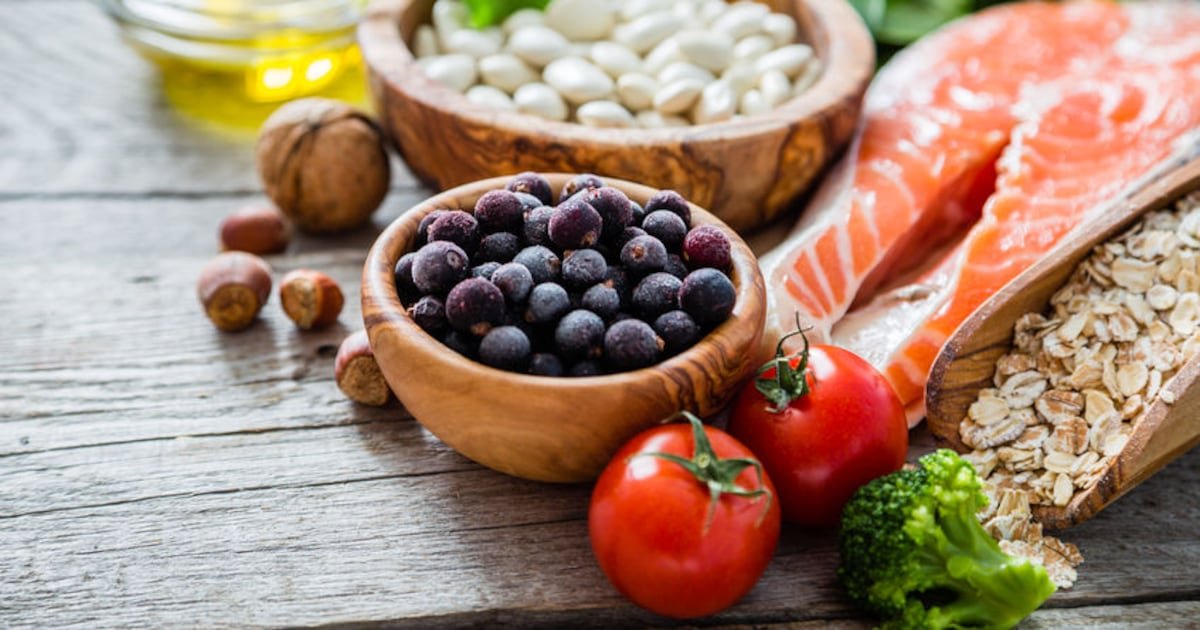
Bontle Sebesho, a recent guest on Dr B Talks, stressed that the key to a healthy diet is eating the right number of calories for your activity level, so you balance the energy you consume with the energy you use.
If you eat or drink more than your body needs, you’ll put on weight because the energy you do not use is stored as fat. If you eat and drink too little, you’ll lose weight.
The World Health Organisation (WHO) reminds us that a healthy diet is essential for good health and nutrition and protects against many chronic noncommunicable diseases, such as heart disease, diabetes and cancer.
Similarly, according to the Centers for Disease Control and Prevention in the US, healthy eating is choosing a balanced mix of real, whole foods that give your body energy and lower your risk of sickness.
The WHO states that eating a variety of whole (unprocessed) and fresh foods every day helps children and adults to obtain the right amounts of essential nutrients.
It also helps them avoid a diet high in sugars, fats, and salt, which can lead to unhealthy weight gain and noncommunicable diseases. Eating a healthy, balanced diet is especially important for young children’s development.
A healthy diet starts early in life — breastfeeding fosters healthy growth and may have longer-term health benefits, like reducing the risk of becoming overweight or obese and developing noncommunicable diseases later in life.
Feeding babies exclusively with breast milk from birth to six months is important for a healthy diet. It is also important to introduce a variety of safe and nutritious complementary foods at six months of age, while continuing to breastfeed until your child is two years old and beyond.
Fats and oils are concentratedf fat, like saturated and industrially produced trans-fat, can increase the risk of heart disease and stroke
Too much saturated fat can increase the amount of cholesterol in the blood, which increases your risk of developing heart disease.
For a healthy diet, sugars should represent less than 10% of your total energy intake. Reducing even further to less than 5% has additional health benefits.
People with diets rich in vegetables and fruit have a significantly lower risk of obesity, heart disease, stroke, diabetes and certain types of cancer. In addition, keeping your salt intake to less than 5g per day helps prevent hypertension and reduces the risk of heart disease and stroke in the adult population.
Simplified approach — core food groups
Eating a variety of foods and consuming less salt, sugar, saturated fat, and industrially produced trans fat are essential for a healthy diet.
Documented literature and widely available dietetics talks summarise the healthy diet guidance to the following considerations:
1. Base your meals on higher-fibre starchy carbohydrates
Starchy carbohydrates should make up just more than a third of the food you eat. They include potatoes, bread, rice, pasta and cereals. Pick brown rice and wholewheat bread instead of white bread and white rice.
It’s recommended that you eat at least five portions or at least 400 grams of a variety of fruit and veg every day. They can be fresh, frozen, canned, dried or juiced. They are importanttioxidants
Eat beans, lentils, fish, eggs, and nuts, while limiting red and processed meats. Fish is a goodat at least two portions of fish a week, including at least 1 portion of oily fish
You need some fat in your diet, but it’s important to pay attention to the amount and type of fat you’re eating. There are two main types of fat: saturated and unsaturated. Use unsaturated vegetable oils (olive, soy, sunflower, or corn oil) instead of animal fats or oils high in saturated fat (butter, ghee, lard, coconut, and palm oil).
Limiting the amount of salt and high-sodium condiments (soy sauce and fish sauce) when cooking and preparing foods helps reduce salt intake.
Choosing fresh fruits instead of sweet snacks such as cookies, cakes and chocolate helps reduce consumption of sugars. Limiting intake of soft drinks, soda and other drinks high in sugars (fruit juices, cordials and syrups, flavoured milks and yoghurt drinks) also helps reduce intake of sugars.
A healthy diet or dietitian plans are not about how deep you can dig into your pocket, but about how safe what you consume is. This was an assurance from our guest when she said: “We work with what is in your cupboard through guiding you with preparation, frequency and amounts.”
- Drink healthily: Choose water, tea, or coffee with little or no sugar, and avoid sugary sodas.
- Cook at home: Prepare meals from scratch so you control the amount of salt, sugar, and oil you use.
- Watch portions: Eat until you feel full, and balance your carbs, proteins and fats throughout the day
- Dr Bayeni is a medical doctor and host ofDr B Talks, a weekly health conversation platform focused on empowering communities through accessible health education.
