

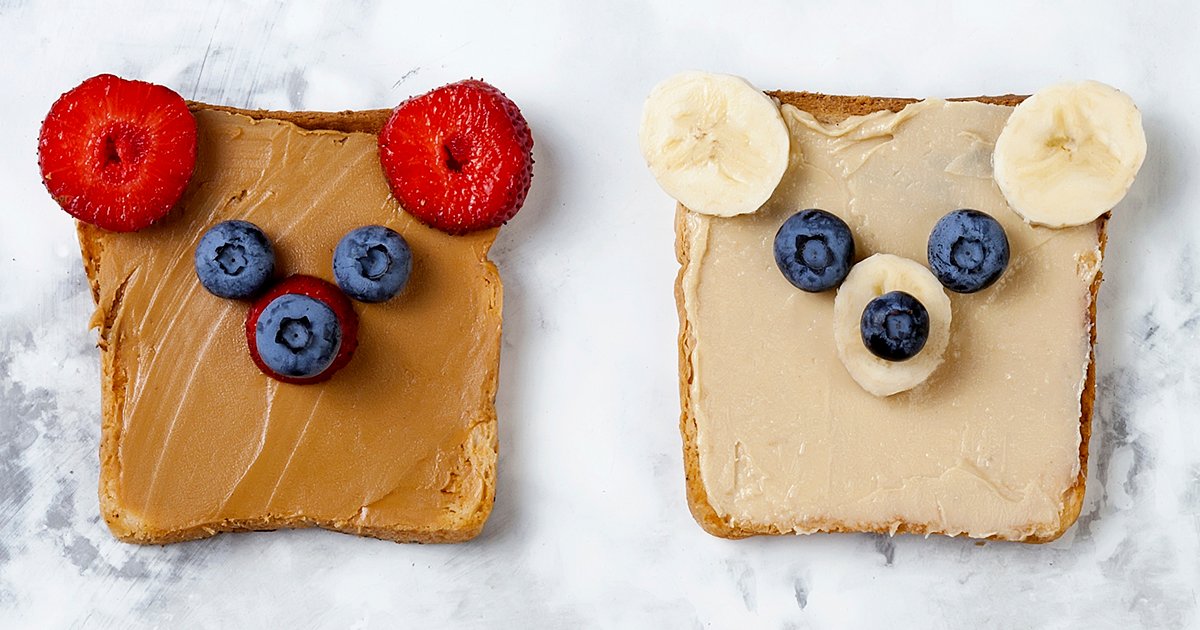
While nut butters mostly played a supporting role as a sandwich filler in the past, today they are increasingly headlining in snacks, smoothies and baked goods. A healthier alternative to mayonnaise, cream cheese and butter, nut butters are also showing up on toast, celery and apple slices—and for good reason.
“Nut butters of all types are versatile, shelf stable and nutrient dense,” said L. J. Amaral, a clinical research dietitian and PhD candidate in the Devkota Lab at Cedars-Sinai.
Are Nut Butters Healthy?
Yes! Nut and seed butters are packed with protein and a mix of important nutrients, such as vitamin E, phosphorous, zinc and B vitamins. They’re also a richesterol levels. And nut butters of all types can create a makeshift meal in minutes
“Most nut and seed butters have between 80 to 100 calories per tablespoon, and between 7 and 10 grams of mostly unsaturated fat,” said Amaral. “They’re often demonized for being calorically dense, but that can be a benefit for a lot of people.”
In fact, whether you’re trying to gain weight or lose it, nut butters can help you achieve your objective. The protein, fiber and fat in nut butters can help people curb cravings, while the calories and fat packed in nut butters can help people bulk up.
Which Nut Butter Is Healthiest? A Dietitian’s Guide
Each type of nut has varying levels of nutrients, including fat, protein, vitamins and minerals. But the length of the ingredient list on the container is more important than which type of nut headlines in your nut butter.
“Choose nut butters that have only one ingredient—your nut of choice—and skip ones that have add-ins like chocolate, jams and preservatives,” said Amaral.
When buying nut butter, try to avoid the following ingredients:
- Sugar
- Excess salt
- Palm oil
- Rapeseed oil or other added oils
- Partially hydrogenated or hydrogenated oils
If a product is labeled “no stir,” it often means oils such as palm oil or rapeseed oil have been added to prevent separation. Natural nut butters typically separate and require stirring—but that’s usually a sign of a cleaner ingredient list.
Choosing the Right Nut Butter
Different nut butters offer different benefits. As long as you choose a brand with only nuts and maybe a dash of salt, you can’t go wrong. But there may be a “best choice” depending on your health goals and taste preferences.
For example, if you’re looking to boost your protein intake without breaking the bank, peanut butter is the best choice. Almond butter or sunflower seed butter are better choices if you’re looking for a good. Searching for a nut butter to replace dairy in a favorite recipe? Cashew butter is a standout for this purpose
Here are Amaral’s at-a-glance leaders based on category:
- Protein: Peanut butter
- Vitamin E: Almond butter (sunflower seed butter is a close second)
- Magnesium: Sunflower seed butter
- Healthy fats: Walnut butter (it’s the only nut butter that contains alpha linolenic acid, a plant-based omega-3 fatty acid)
- Best value: Peanut butter
Almond Butter Versus Peanut Butter
Almond butter and peanut butter are the most popular nut butters on store shelves, and they have admirable nutrient profiles, too.
Peanut butter has slightly more protein than almond butter, with about 8 grams of protein per 2-tablespoon serving. It’s affordable, easy to find and works well on top of fruit, toast and oatmeal.
Almond butter offers more than double the vitamin E of peanut butter, and it’s higher in magnesium, calcium and heart-healthy monounsaturated fats, making it an ideal choice for a micronutrient-dense spread. But it’s also more expensive than peanut butter.
What to Look for When Buying Nut Butters
Certain ingredients do not belong in your nut butter. In fact, the healthiest nut butters usually have the shortest ingredient list.
Look for products that contain only nuts or seeds, limited sodium and no hydrogenated oils. Also consider texture and allergy needs when making your choice.
How Do Seed Butters Stack Up Next to Nut Butters?
Seed butters and nut butters have similar nutrient profiles, and seed butters are a great option for people who are allergic to peanuts and/or tree nuts. One tablespoon of sunflower seed butter provides nearly one-quarter of your body’s daily requirement of vitamin E.
“Sunflower seed butter is also a great
Tahini, also known as sesame seed butter, is another popular option. Made from lightly toasted and hulled sesame seeds, tahini boasts magnesium, iron and cholesterol-lowering plant chemicals called lignans.
You’ll find tahini in Mediterranean recipes such as hummus as well as in salad dressings, grain bowls and sauces.
Creative Ways to Use Nut Butters
All nut butters are versatile, adding creaminess, heart-healthy fats, protein and important micronutrients to favorite dishes.
“Eat the nut butter you like best, but don’t be afraid to branch out and try other varieties,” Amaral said. “You may discover new flavors and nutrients that help round out your diet in a simple, satisfying way.”
- Spoon almond butter on top of oatmeal or ice cream, or use it as a base for muffins and cake.
- Stir cashew butter into Chinese noodles or steamed broccoli.
- Pair peanut butter with apple slices, celery or bananas.
- Drizzle sunflower seed butter on pancakes or waffles.
- Spread walnut butter on cranberry toast.
“You can also rotate different nut and seed butters throughout the week to get a wider range of nutrients and flavors,” said Amaral.
