

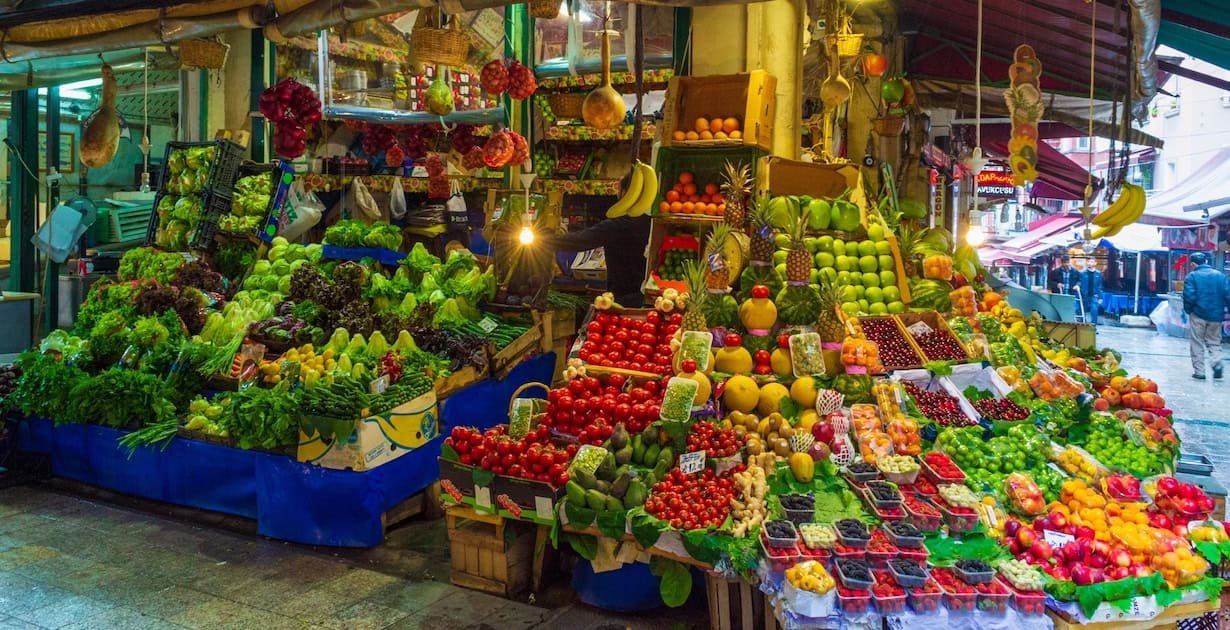
As spring blossoms into its full glory, May produce offers a vibrant array of fresh fruits and vegetables that are not only delicious, but also packed with nutrients. Eating seasonal fruits and vegetables ensures you enjoy them at their peak taste and nutritional value.
Shopping for seasonal produce in May ensures better flavor, higher nutritional value and often lower prices. Whether you’re a home cook, a health enthusiast or someone just looking to eat fresher, knowing what’s in season in May can help you make smarter food choices.
Below, we highlight some of the best May produce and share ideas on how to incorporate May fruits and May vegetables into your meals.
What is the seasonal produce in May?
The month of May brings an abundance of colorful, crisp and juicy seasonal produce. From antioxidant-rich berries to iron-packed leafy greens, here are 20 of the freshest May fruits and vegetables and their health benefits:
1. Strawberries
Sweet and juicy, strawberries are rich in vitamin C, antioxidants and fiber. They support immune health and promote healthy skin.

Thanks to their vitamin C and polyphenols, strawberries have been shown to reduce oxidative stress and inflammation, supporting heart and immune health. A 2012 meta-analysis found that regular strawberry consumption improved blood lipid profiles and decreased markers of inflammation.
2. Asparagus
A springtime favorite, asparagus is high in fiber, folate, and vitamins A, C and K. It supports digestive health and has anti-inflammatory properties.
Thanks in part to folate and prebiotic fiber, asparagus promotes healthy digestion and supports detoxification pathways in the liver. A 2023 study published in Food Research Internationalconfirmed its high antioxidant content and beneficial effects on gut microbiota.
3. Spinach
This leafy green is loaded with iron, magnesium, and vitamins A and C. Spinach supports eye health and boosts the immune system.
Also loaded with lutein, zeaxanthin and vitamin K, spinach may help reduce age-related macular degeneration and support bone health. Clinical trials have shown that spinach intake helps lower blood pressure and improve endothelial function.
4. Radishes
Crisp and peppery, radishes are low in calories and high in antioxidants. They aid digestion and support liver function.
These spicy root veggies contain glucosinolates and vitamin C, which help support immune defenses and liver detoxification. Studies have identified radish compounds as protective against oxidative stress and inflammation.
5. Rhubarb
Known for its tart flavor, rhubarb is high in fiber and vitamin K. It supports bone health and aids digestion.
Rhubarb is a potenton and support gut health. Research supports rhubarb’s potential role in improving lipid metabolism and gut function
6. Peas
Sweet and tender, peas are a good are known to support heart health and blood sugar regulation
Peas help stabilize blood sugar while supporting muscle maintenance. Studies have shown that pea protein can support satiety and help reduce risk factors for metabolic syndrome.
7. Cherries
These vibrant fruits are rich in antioxidants, anthocyanins and melatonin, which can improve sleep quality and reduce inflammation. Clinical evidence supports the use of cherries for reducing exercise-induced muscle soreness and improving recovery.
8. Lettuce
Fresh and crisp, lettuce is low in calories and high in water content, making it great for hydration and digestion. Lettuce also is rich in vitamin A and potassium, and it supports fluid balance and may help reduce blood pressure.
9. Fava beans
Also known as broad beans, fava beans are rich in protein and fiber. They aid heart health and energy production.
These legumes are high in folate and magnesium as well, supporting nervous system health. In fact, fava beans have shown neuroprotective benefits in Parkinson’s disease due to their L-dopa content in animal and human studies.
10. Beets
Earthy and sweet, beets are high in nitrates, which can help lower blood pressure and improve athletic performance. The body converts nitrates into nitric oxide to support blood flow.
Numerous studies have confirmed that beetroot juice improves stamina and lowers blood pressure.
11. Carrots
Crunchy and sweet, carrots are loaded with beta-carotene, which the body converts to vitamin A, supporting vision and immune health. They promote eye health and reduce the risk of vision-related disorders.
Retinol derived from beta-carotene has been extensively studied for its protective effects against night blindness, for instance.
12. Apricots
These golden fruits are rich in vitamins A and C, supporting skin health and immune function. Apricots also are a good
Studies have shown that apricot polyphenols help protect skin from UV-induced damage and aging.
13. Zucchini
Versatile and mild-flavored, zucchini is low in calories and high in vitamin A, promoting eye health. Zucchini also is high in water, with decent amounts of vitamin C and potassium to support blood pressure regulation.
In addition, zucchini’s fiber and pectin content have been shown to help with cholesterol control.
14. Artichokes
Artichokes are high in fiber, antioxidants and folate. They help protect liver health and digestion.
They hold cynarin and inulin as well, supporting the gut and promoting healthy cholesterol levels. Clinical trials have suggested artichoke leaf extract helps lower LDL cholesterol and improve liver function.
15. Kale
This nutrient-dense leafy green is rich in vitamins A, C and K, as well as calcium and antioxidants, supporting bone health and immunity. Plus, the quercetin and kaempferol in kale are known for their anti-inflammatory effects.
Research has found that kale consumption can help improve blood lipid levels and antioxidant status.
16. Green onions
Also known as scallions, green onions are high in vitamin K and sulfur compounds, supporting bone and heart health. These alliums provide organosulfur compounds and vitamin C, aiding detoxification and immune function.
Studies have relayed that green onion extracts exhibit antimicrobial and anticancer properties as well.
17. New potatoes
These young potatoes are tender and have a thin skin. They’re a goodction, and they have a lower glycemic index than mature potatoes
Potatoes with skins intact have been shown to support satiety and nutrient intake without spiking blood sugar when eaten in moderation.
18. Celery
Crunchy and hydrating, celery is low in calories and high in antioxidants, supporting digestion and reducing inflammation. It also contains apigenin, which has been studied for its potential anticancer and anti-inflammatory effects.
Research also has supported celery’s use in lowering blood pressure and reducing oxidative stress.
19. Mint
This aromatic herb aids digestion and provides a refreshing flavor to dishes and beverages. Mint is known for relieving symptoms of indigestion and irritable bowel syndrome, in particular.
20. Arugula
With its peppery taste, arugula is rich in vitamins A, C and K, supporting eye health and immune function. It’s also high in glucosinolates and boosts bone health and detoxification.
Additionally, brassica vegetables like arugula have been linked to lower risks of certain cancers due to their antioxidant compounds.
Best May vegetables and fruits to eat
What are the best fruits to eat in May?
- Apricots
- Avocado
- Blackberries
- Blueberries
- Cantaloupe
- Cherries
- Grapefruit
- Kiwi
- Lemons
- Limes
- Loquats
- Mango
- Mulberries
- Papaya
- Peaches
- Pineapple
- Raspberries
- Strawberries
- Valencia oranges
- Watermelon
What vegetables are in the month of May?
- Arugula
- Artichokes
- Asparagus
- Basil
- Beets
- Bok choy
- Broccoli
- Brussels sprouts
- Cabbage
- Cactus paddles
- Carrots
- Cauliflower
- Celery
- Chives
- Cilantro
- Collard greens
- Cucumber
- Dandelion greens
- Dill
- Endive
- Fava beans
- Garlic scapes
- Green onions
- Kale
- Kohlrabi
- Leeks
- Lettuces
- Mint
- Mushrooms
- Mustard greens
- New potatoes
- Oregano
- Parsley
- Parsnips
- Peas
- Radishes
- Rhubarb
- Spinach
- Spring onions
- Swiss chard
- Thyme
- Turnips
- Zucchini
How to use May produce
Incorporating May produce into your meals can be both delicious and nutritious. Here are some ideas:
- Salads: Combine arugula, spinach and lettuce with strawberries, goat cheese and a balsamic vinaigrette for a refreshing salad.
- Roasted vegetables: Toss asparagus, carrots and beets with olive oil and herbs, and then roast until tender.
- Smoothies: Blend strawberries, cherries, spinach and a banana with your choice of milk for a nutrient-packed smoothie.
- Grilled dishes: Grill zucchini and new potatoes as a side dish, or add them to skewers with your favorite protein.
- Herbal teas: Use fresh mint to brew a soothing tea, or add it to lemonade for a refreshing twist.
Fresh May produce is versatile and can elevate your meals in countless ways. Here are a few May produce recipe ideas to bring the season’s best to your table:
Frequently asked questions
What produce is in season in May?
In May, seasonal produce includes a wide variety of fresh fruits and vegetables. Common May produce includes strawberries, cherries (early varieties), asparagus, spinach, peas, radishes, lettuce and artichokes. This is a peak time for spring harvests, making May seasonal produce especially fresh and flavorful.
What fruits are in season in May?
Fruits in season during May typically include strawberries, apricots, cherries (depending on region) and rhubarb. These fruits are part of May produce and are often at their peak sweetness and nutritional value during this time.
What vegetables are in season in May?
Popular May seasonal produce vegetables include asparagus, peas, spinach, kale, lettuce, radishes, carrots and early zucchini. These vegetables thrive in mild spring temperatures and are widely available at farmers markets.
Why should you eat seasonal produce in May?
Eating May produce ensures better flavor, higher nutrient density and often lower cost. Seasonal foods are harvested at peak ripeness, meaning they contain more vitamins and antioxidants compared to out-of-season options.
Is May a good time for farmers market produce?
Yes, May is one of the best times to visit farmers markets. You’ll find abundant May seasonal produce like leafy greens, berries and fresh herbs. Shopping locally also supports farmers and ensures fresher food.
What are the health benefits of May produce?
May produce is rich in vitamins, minerals and antioxidants. For example:
- Strawberries are high in vitamin C
- Spinach provides iron and folate
- Asparagus supports digestion and detoxification
Seasonal eating in May can support immune health, digestion and overall wellness.
How do you store May seasonal produce?
- Store leafy greens in the refrigerator with a damp paper towel.
- Keep berries unwashed until ready to eat.
- Store asparagus upright in a glass of water in the fridge.
Proper storage helps extend shelf life and preserve nutrients.
What are easy recipes using May produce?
Simple recipes using May season produce include:
- Strawberry spinach salad
- Roasted asparagus with olive oil and garlic
- Fresh pea and mint soup
- Mixed spring vegetable stir-fry
These dishes highlight the natural flavor of seasonal ingredients.
Is May produce different by region?
Yes, May produce can vary depending on climate and location. Warmer regions may have earlier access to fruits like cherries and apricots, while cooler regions may still focus on leafy greens and root vegetables.
How can you tell if May produce is fresh?
Fresh May seasonal produce should:
- Have vibrant color
- Feel firm (not mushy)
- Smell fragrant (especially fruits)
- Show no signs of wilting or bruising
Buying locally and in-season increases your chances of getting the freshest options.
Conclusion
- Embracing seasonal produce in May allows you to enjoy fruits and vegetables at their peak flavor and nutritional value.
- By incorporating these fresh ingredients into your meals, you support not only your health, but also local agriculture and sustainability.
- Make the most of what May has to offer by exploring new recipes and savoring the season’s bounty.
- Eating with the seasons not only supports your health, but also makes mealtime more exciting and flavorful.
- May produce brings a colorful bounty of fruits and vegetables that are ripe, nutrient-dense and perfect for a wide variety of dishes.
- From crisp salads to warm risottos and zesty desserts, there are endless ways to enjoy what May produce has to offer.
- Head to your local farmers market or grocery store, and load up on these seasonal gems. You’ll taste the difference.
