

This year, AGRA, the donor-funded agricultural development initiative formerly known as the Alliance for a Green Revolution in Africa, is celebrating its 20th anniversary.
AGRA’s slogan is “sustainably growing Africa’s food systems”, but for years, researchers and farmers have warned that the policies it promotes are having a negative impact on African agriculture.
Our new research provides more evidence to that effect. We have documented how AGRA’s Green Revolution, with its well-funded promotion of commercial seeds, fertilisers and other inputs, has failed to spur the “productivity revolution” promised by its founders.
Worse still, its promotion of monocultures, such as maize, has led to the massive expansion of land dedicated to them. At the same time, more resilient and nutritious local crops, such as millet, are losing ground.
Funding the loss of traditional crops
Hunger continues to increase in Africa, driven by climate change, desertification, conflict and disruptions to international supply lines from international conflicts like the Ukraine war. The Green Revolution promoted by AGRA does not seem to have made much of a difference.
In countries where AGRA has had significant presence, the number of undernourished people has increased by about 60 percent – roughly the same rate as the rest of the continent.
The United Nations is calling for greater attention to “affordable healthy diets”. For Africa’s small-scale farmers, who grow what their families and communities eat, that means more, not less, crop diversity, which is the opposite of what the Green Revolution has produced.
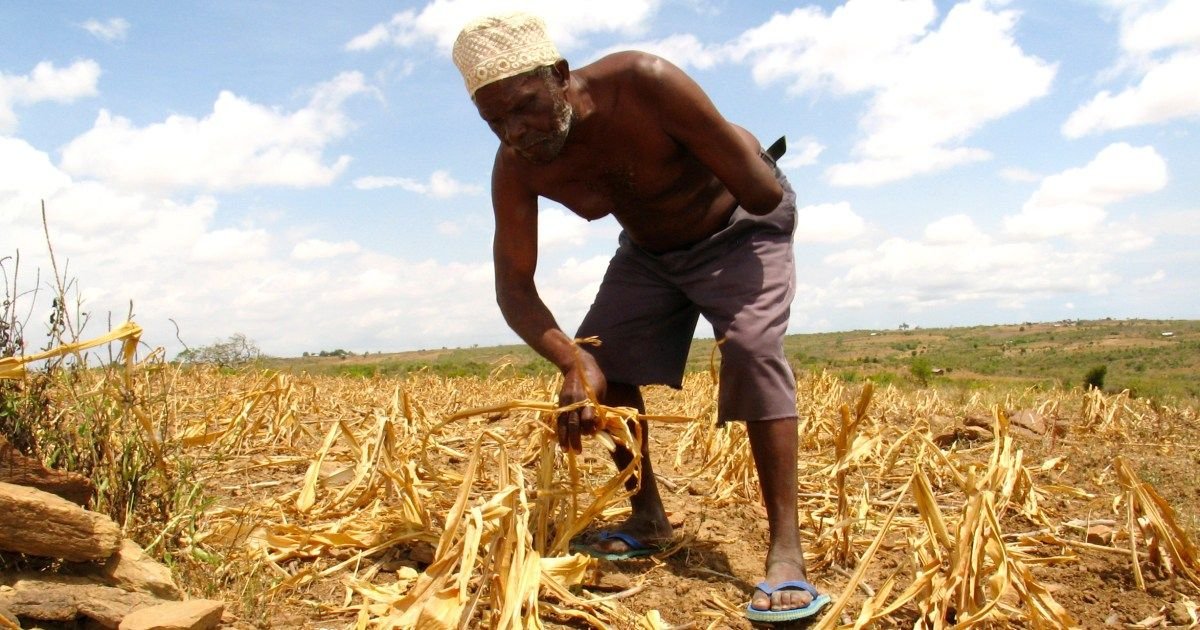
In countries that have participated in AGRA projects, crops such as maize are promoted and funded with billions of dollars in subsidies and investment. Despite that, yields for maize have grown only modestly, just 40 percent over 18 years, well below the 100 percent improvement promised by AGRA.
Some countries, like Malawi and Ethiopia, have seen stronger yield growth for maize, but some, such as Kenya – where AGRA’s headquarters are located – have seen yields decline.
Maize production has soared across participant countries, driven mainly by the massive expansion of plantings as subsidies drive farmers to plant maize on new land.
In contrast, our research shows that traditional African staples such as sorghum, cassava, and groundnuts have lost land and investment. Since AGRA was launched in 2006, 13 countries that have participated have seen a decline in productivity of 21 percent for cassava and 10 percent for groundnuts in total.
But millet – a climate-resilient, nutritious grain – is the crop that has suffered the most. Before 2006, millet was as prevalent as maize in these countries. Since 2006, millet production has fallen 27 percent, while maize production has more than doubled. Millet yields have fallen 17 percent with the lack of investment. And as land allocated to maize production increased 71 percent, land for millet fell 12 percent.
Millet is not some backward crop waiting to be replaced by maize. For generations, it has fed communities across some of Africa’s driest regions. It can withstand heat and drought, grow with relatively few external inputs, and provide nutritious food where other crops struggle.
In 2023, the UN Food and Agriculture Organization (FAO) celebrated the “Year of Millets”, highlighting the multiple benefits of the crop to the environment and social welfare.
The same is true of many of Africa’s traditional crops – sorghum, fonio, cowpeas, cassava, indigenous vegetables and many others. They are part of the biological diversity of African farming, but also of our cuisines, knowledge and cultures.
At a time of climate change, pushing such crops aside makes particularly little sense. Farmers need more options in their fields, not fewer. A diverse farm spreads risk: when one crop suffers from drought, pests or disease, another may survive. Rotation and diversity of crops help keep soils more fertile.
Valuing diversity
Rhetorically, AGRA now professes to value the very crops that its Green Revolution helped push to the margins. It speaks of diverse, nutritious and climate-adapted crops, and its seed programmes include millet, sorghum, cowpea, groundnut and others.
We welcome serious investment in these crops. It is overdue. But there is no indication that AGRA and other Green Revolution proponents will abandon their chosen monocrops, such as maize. AGRA’s current seed strategy still emphasises improved varieties, certified seeds, faster variety turnover, commercialisation and market-oriented seed systems.
Investment needs to support farmers’ rights to save, use, exchange and develop their seeds, protect crop diversity and indigenous knowledge, and ensure that farmers and communities – not seed markets alone – determine which varieties survive and spread.
African farmers do not need saving, but their crops – millet, sorghum, cowpea, fonio, and other traditional crops need to be rescued from Green Revolution crop-breeders.
When a traditional crop disappears from farmers’ fields, we can lose locally adapted seed varieties, knowledge about how to grow and prepare them and foods that are central to local diets and identities.
This is why the decline of millet should concern us far beyond the millet field. Africa is already dangerously exposed to climate shocks and volatile international food and fertiliser markets. Diversity is one of our greatest protections against those risks. Yet we are subsidising its disappearance.
It is not enough for the UN to call for greater access for all to nutritious diets. For the majority of Africa’s rural populations, who are also among its least food-secure, crop diversity is key to diet diversity. It is time for AGRA, the African Development Bank, foreign donors and African governments to stop subsidising and promoting the crops that are driving the loss of such diversity.
The views expressed in this article are the authors’ own and do not necessarily reflect Al Jazeera’s editorial stance.
