

- Reviewed byMallika Marshall, MD,
Contributing Editor
Chronic inflammation — a state of persistent activation of the immune system — is an important contributor to many diseases, and diet is a big contributor to inflammation. It would make sense, then, to follow what’s known as the “anti-anti-inflammatory diet.” Just one problem: There isn’t one single anti-inflammatory diet. Rather, this eating pattern is guided as much by what you don’teat as what you do eat.
For a quick start, let’s boil it down to some dos and don’ts.
Don’t eat these
Stay away from “ultra-processed” foods, which include just about anything that comes in a package — like microwaveable dinners, hot dogs, chicken nuggets, dehydrated soups, baked goods, sugary cereals, processed meats, biscuits, and sauces.
These foods have little nutritional value. Worse, they’re high in salt, added sugars (which can spike your blood sugar), and saturated fat (which can increase your “bad” LDL cholesterol). All of these ingredients also are associated with promoting inflammation in the body.
A 2025 report published in the journal Nutrients notes that ultra-processed foods can change the bacteria in your gut, damage the gut’s lining, and switch on inflammatory genes in cells. Other studies have linked ultra-processed foods to shorter life spans, cancer, heart disease, heart attacks, strokes, and diabetes.
The biggest offenders are foods with added sweeteners, whether that means cane sugar or any other compounds used to add sweetness. These include sodas and sugary drinks, cookies and other baked goods, and candy, as well as pre-packaged salad dressings, flavored yogurts, and jarred tomato sauces.
And don’t be fooled by sugar substitutes such as aspartame, erythritol, and sucralose. They aren’t necessarily healthy replacements for added sugar; in fact, some studies suggest that certain sugar substitutes may trigger inflammation. Two exceptions are ste If they’re found in ultra processed foods, however, it’s still best to steer clear
Other inflammation-promoting foods include white breads, refined cereals, white pasta, other products made with refined flours, as well as white rice. White flour, in particular, leads directly to a pro-inflammatory state.
Further offenders include butter, cheese, ice cream, deep-fried foods, and processed and cured meats.
Do eat these
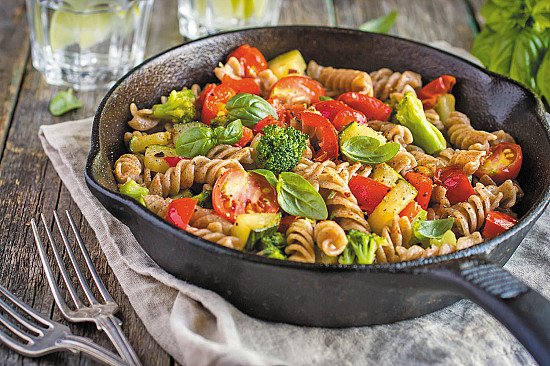
To fight inflammation, go for whole, unprocessed foods with no added sugar: fruits, vegetables, whole grains, legumes (beans, lentils), fish, poultry, nuts, seeds, a little bit of low-fat dairy, and olive oil or avocado oil. Some studies also suggest modest benefits from herbs and spices like cinnamon, ginger, cayenne pepper, and turmeric.
The antioxidants in brightly colored fruits and vegetables — such as tomatoes, carrots, squash, and broccoli — may lessen the effect of free radicals, which damage cells and promote inflammation.
Other food components that may help fight inflammation include:
- fiber, which is found in fruits, vegetables, and especially legumes and whole grains such as barley, oats, and bran
- omega-3 fatty acids, found in fish (such as salmon, mackerel, sardines, tuna), vegetable oils (flaxseed and canola), walnuts, flaxseeds, and leafy green vegetables (spinach and kale)
- polyphenols (plant chemicals), found in berries, dark chocolate, tea, apples, citrus, onions, soybeans, and coffee
- unsaturated fats, found in almonds, pecans, walnuts, flaxseeds, pumpkin and sesame seeds, and plant oils (olive, peanut, canola, avocado).
In general, the evidence that trying to minimize inflammation through dietary changes reduces the risk of diseases is strongest for arthritis, gastrointestinal and heart health, diabetes, and possibly cognitive decline and autoimmune diseases.
Making the shift
Rather than suddenly switching to a new eating style, start by slowly making changes so that your new habits become more of a lifestyle shift.
Try to eat fewer foods that come from packages and more that come from the ground. Apply that approach to each meal. For breakfast, you might have a fruit smoothie or oatmeal with a few berries; for lunch, a salad of dark leafy greens with colorful vegetables topped with beans, nuts, and seeds; for dinner, a lean protein and more colorful vegetables, with fruit for dessert.
The more color and variety you add to a meal, the more natural inflammation-fighting compounds you’ll consume.
If you’re more comfortable following a particular diet plan, consider a Mediterranean diet or the Dietary Approaches to Stop Hypertension (DASH) diet; they follow lots of the dos and don’ts we’ve outlined.
About the Reviewer
Mallika Marshall, MD,
Contributing Editor
Mallika Marshall, MD, is an Emmy-award winning journalist and physician who serves as Medical Director at WBZ-TV in Boston. A practicing physician who is Board Certified in both internal medicine and pediatrics, Marshall serves on staff …
See Full Bio
View all posts by Mallika Marshall, MD
Share
Print This Page
Disclaimer:
As a service to our readers, Harvard Health Publishing provides access to our library of archived content. Please note the date of last review or update on all articles.
No content on this site, regardless of date, should ever be used as a substitute for direct medical advice from your doctor or other qualified clinician.
