


Leafy greens have long been a topic of discussion among nutritionists and health experts. Packed with essential vitamins, minerals, fibre, and antioxidants, they are indeed avital part of a nutrient-dense platter. However, monsoon season may not be the right time to make them an integral part of your diet. There is always a debate about leafy greens precautions and whether consuming leafy greens is safe during this season. Well, there are many aspects to this. Due to an increased risk of contamination from mud, insects, bacteria, and parasites, despite leafy greens offering impressive nutritional benefits, they require extra care in cleaning, handling, and cooking during the rainy months.
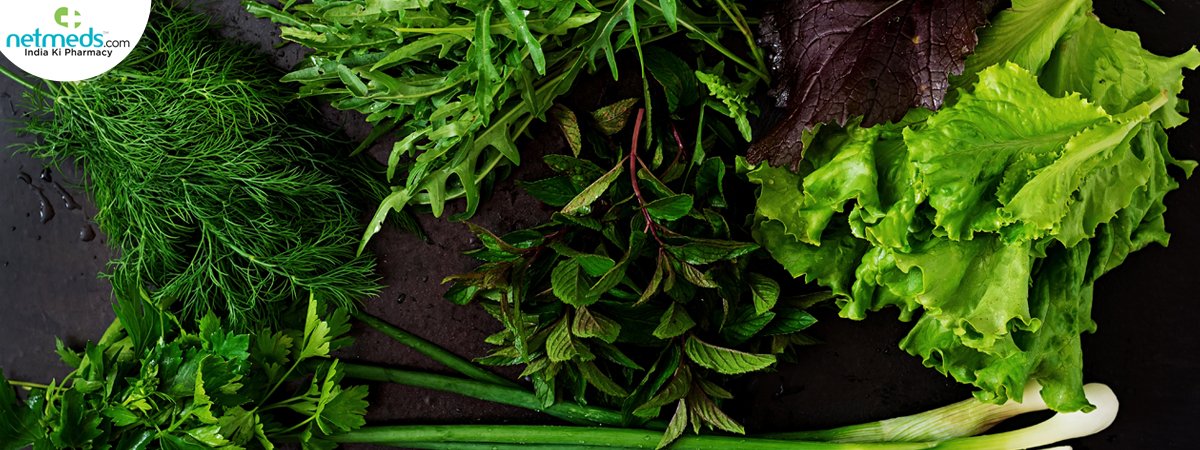
So, should you eat leafy greens in monsoon? The answer is yes and no! Let us understand the basics of safe vegetables during monsoon, potential risks, and how to enjoy your leafy greens in monsoon season.
Why Should You Be Careful With Leafy Greens During Monsoon?
Known to be chock-a-block with nutrients, leafy greens are a must-have good ingredient. But the monsoon season creates ideal conditions for bacteria, parasites, fungi, and pesticide residues to accumulate on most leafy green veggies. High humidity and poor hygiene also contribute to many foodborne illnesses, specifically during rains. Thus, deep washing, thorough cooking, and careful handling become extremely essential before you make them a part of your monsoon meals.
(To Stay Healthy And Combat Monsoon Illness, Buy From Our Broad Range of Health Essentials, Right Here!)
Here are 5 commonly available leafy greens widely consumed during the monsoon season:
Spinach
Spinach, popularly known aspalak, is a great
It supports immunity, eye health, and proper blood flow in the body. It is advisable to cook it well to reduce the risk of microbial contamination
Fenugreek Leaves
Fenugreek is rich in fibre, antioxidants, iron, and calcium. Also called methi, it supports digestion, regulates blood sugar spikes, and helps bolster immunity. Monsoon or otherwise, fenugreek must be cooked rather than raw for best results.
Amaranth Leaves
Chaulai in the regional language, they provide protein, calcium, iron, magnesium, and vitamin C. They promote bone health, aid digestion, and help combat seasonal fatigue. Cook them properly after washing several times.
Colocasia Leaves
A popular monsoon green, Arbi Ke Patte, Colocasia leaves are rich in fibre, vitamin A, potassium, and antioxidants. They support gut and heart health but should always be thoroughly cooked to remove naturally occurring oxalates.
Drumstick Leaves
Moringa, aka drumstick leaves, are loaded with protein, calcium, iron, vitamin C, and powerful antioxidants. They help reduce inflammation, boost iron, and support overall wellness. Add them to soups, curries, or stir-fries, but they should always be well cooked.
Common Health Problems Caused by Improperly Washed Leafy Greens
Here are some of the most common health issues associated with eating leafy greens in the rainy season:
Foodborne Infections
Leafy greens can produce harmful bacteria such as E. coli, Salmonella, and Listeria due to increased moisture and contaminated water. This leads to several gastrointestinal issues
Parasitic Infestations
Rainy conditions encourage the growth of parasite eggs on most leafy vegetables, with cabbage and spinach being most common. Eating contaminated greens may cause intestinal infections, abdominal pain, and digestive discomfort.
Stomach Upset And Indigestion
Improperly cleaned or raw leafy greens can be difficult to digest during the monsoon. This may result in cramps, bloating, acidity, and indigestion.
Fungal Contamination
Fungal and mould growth on leafy vegetables intensifies due to high humidity during the rains. Consuming spoiled greens may cause food poisoning, nausea, or allergic reactions in people with sensitive digestive health conditions.
Pesticide and Soil Contamination
Rainwater is a key culprit in spreading pesticideresidues and harmful microbes on your greens. If you do not wash them thoroughly, they can cause mild to severe gastrointestinal illness.
5 Simple Ways to Cook Leafy Greens
Stir-Fry
Sauté leafy greens and keep them slightly crisp for better texture and flavour.
Steam
Steam the greens lightly until tender but still vibrant. Later, you can add lemon or salt and pepper as per taste
Add To Another Veggie
Cook leafy greens with onions, tomatoes, and common Indian spices. They make a simple, wholesome meal, and the chance of infection is minimal
Add To A Lentil
Chop your favourite greens and add them while cooking dal. They add extra nutrients to an everyday dish and get cooked in the process.
Make A Soup
Simmer leafy greens with garlic, herbs, and common spices. Blend until smooth and consume them as a soup.
The Bottom Line: Enjoy Leafy Greens, But Eat Them Wisely
Monsoon doesn’t mean you have to give up leafy greens. It asks you to eat them wisely. If you follow proper washing, thorough cooking, and careful selection of your greens, you can enjoy their nutritional benefits and do not have to worry about the risk of infections. Pair them with other seasonal fresh vegetables to keep your immunity strong and safeguard your digestive system throughout the rainy season.
