

- Flavanols are a type of plant compound that can offer several health benefits.
- Past studies show that flavanols may help protect the body against heart disease and certain cancers, and improve cognitive function.
- A new study found that fewer than one in five people consume enough flavanols each day to help reduce their cardiovascular disease risk, even if they’re regularly eating their ‘5 a day’ of fruits and vegetables.
Flavanols are a type of plant compound that can offer several health benefits due to their antioxidative and anti-inflammatory properties.
Flavanols are found in a variety of fruits and vegetables, as well as cocoa, legumes, red wine, and both green and black teas.
Past studies show that flavanols may help protect the body against heart disease by keeping the body’s blood vessels healthy. Additionally, research shows flavanols may help improve cognitive function and even protect against certain cancers.
Now, a new study published in the journal Food & Function has found that fewer than one in five people consume enough flavanol each day to help reduce their cardiovascular disease risk, even if they’re regularly eating the globally-recognized “5 a day” of fruits and vegetables.
Why focus on flavanols?
For this study, researchers analyzed dietary data — including their flavanol intake — from more than 30,000 study participants in the United States and the United Kingdom
“Previous research has shown that flavanols can have a beneficial effect on vascular function, and they have been shown to reduce cardiovascular mortality in a large randomized controlled trial (),” Gunter G. C. Kuhnle, PhD, professor of nutrition and food science in the Department of Food and Nutritional Sciences, director of the Chemical Analysis at the University of Reading in the U.K., and senior author of this study, told Medical News Today.
“Heart disease is still one of the main causes of ill health and death — and it is therefore important to identify ways to reduce disease risk,” Kuhnle continued.
“Diet is one of the main modifiable risk factors for heart disease, and while some risk factors are well known — sodium, saturated fat, or low fiber — there are others for which there is much less data,” he explained.
Not all 5-a-day fruits and veggies are the same
At the study’s conclusion, researchers found that fewer than one in five people reached the daily flavanol intake recommended to help reduce cardiovascular disease risk.
“The American Academy of Nutrition and Dietetics an intake of 400-600 mg/d [milligrams per day],” Kuhnle said.
“Flavanols are a very diverse group of compounds, so estimating the amount consumed depends a bit on the definition used. Using the same definition we used in our study, the average intake in the U.K. is approximately 250 mg/d, although more than half of the population consumes less than 150 mg/d,” he explained.
Kuhnle said that while this study shows that consuming 5 portions of fruits and vegetables is important, the health benefit can be improved by deliberately choosing foods that are high in specific compounds.
“We have used flavanols as model compounds, but the same is likely to apply for other compounds that can benefit health, such as vitamins and minerals, or bioactive compounds like carotenoids,” he noted. “While recommending ‘5 a day’ is an important public health message, there might be a benefit in encouraging a more diverse selection and emphasizing foods that are high in specific compounds.”
Public needs to know which fruits, veggies are highest in flavanols
MNThad the opportunity to speak with Cheng-Han Chen, MD, a board-certified interventional cardiologist and medical director of the Structural Heart Program at MemorialCare Saddleback Medical Center in Laguna Hills, CA, about this study.
Chen, who was not involved in the research, commented that if people are not reaching a high enough level of flavanols that can improve the risk of developing heart disease despite eating the recommended 5 servings of fruits and vegetables a day, then it may be necessary to improve the public understanding of which foods are richer in flavanols.
“Despite this, it should be noted that fruits and vegetables contain many other nutritious components besides flavanols such as vitamins, minerals, and fiber,” he continued. “I would still continue to recommend that people eat as many fruits and vegetables as possible in order to maintain a healthy heart.”
“Heart disease remains the leading cause of death in the United States,” Chen added. “Understanding how our diet can improve heart health will go a long way towards reducing the burden of heart disease in our society.”
How can I increase my daily flavanol intake?
For those who would like to increase their daily intake of flavanols to potentially protect themselves from heart disease and enjoy the compound’s other health benefits, Monique Richard, MS, RDN, LDN, a registered dietitian nutritionist and owner of Nutrition-In-Sight, offered her top tips.
“I like to remind my clients that nutrition isn’t just about counting servings to check off a ‘to-do’ box — it’s so much more,” Richard said.
According to her, “it’s about the diversity of the compounds nature packages inside those foods, how the act of eating itself can feed your senses and the joy and pleasure we can garner from nourishing our life one meal at a time.”
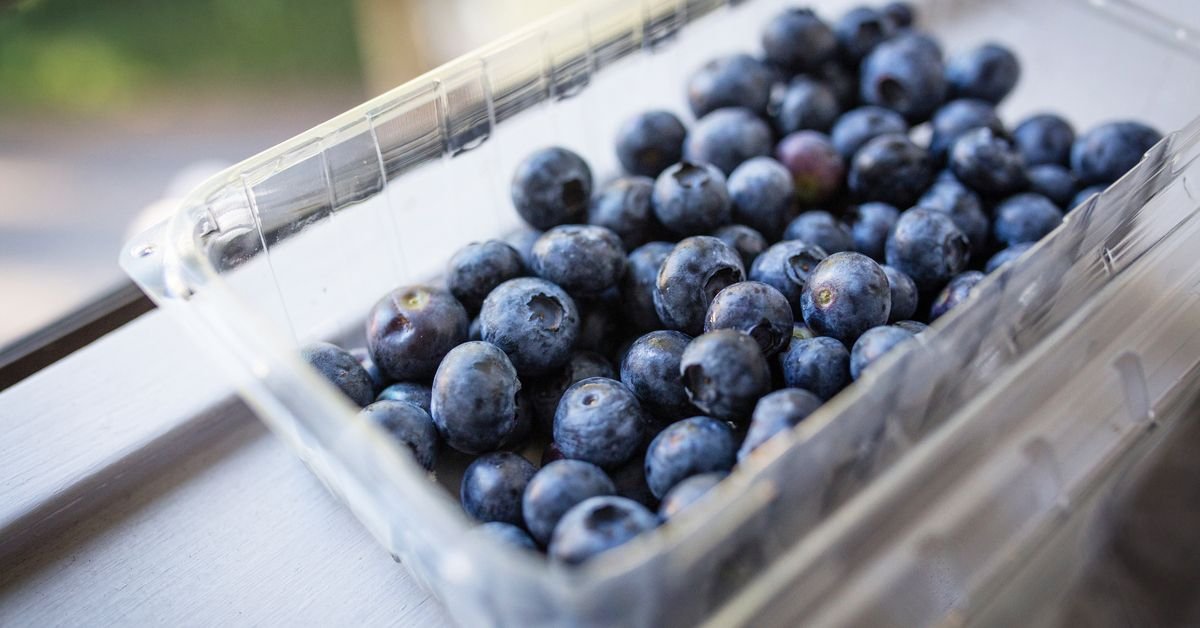
Some of the richestn, blackberries, blueberries, grapes, tea (especially green and black tea), cacao (cocoa is a final product of the raw cacao bean), dark chocolate (minimum 70% cocoa), pears, and certain legumes such as fava beans
“An apple with the peel, a handful of blackberries, a cup of green tea, and a serving of cacao in a day may be enough to provide a unique combination of advantageous compounds that set them apart in decreasing risk associated with cardiovascular disease,” Richard said.
She also provided a few additional practical strategies to optimize flavanols including:
- after thoroughly washing produce, leave edible peels on fruits, as appropriate, particularly apples and pears
- brew, steep, and enjoy organic green or black tea leaves, 2-3 cups a day, hot or cold
- add blackberries, cranberries, and wild Maine blueberries to salads, dressings, yogurt, smoothies, sides, and sauces
- snack on frozen grapes or puree and freeze in ice cube trays to be added to water
- enjoy a plum and handful of nuts for a dessert or snack
- add parsley, dill, oregano, kale, and onions to marinades, tapenades, spreads, and sauces.
“The goal isn’t to focus on eating one nutrient, or specific group of antioxidants. It’s to create, enjoy, and savor colorful, varied, plant-rich meals and beverages, with intention and love, often, to ensure delivery of thousands of compounds working together in harmony with nature and your body in ways nutrition science is still discovering.”
– Monique Richard, MS, RDN, LDN
