

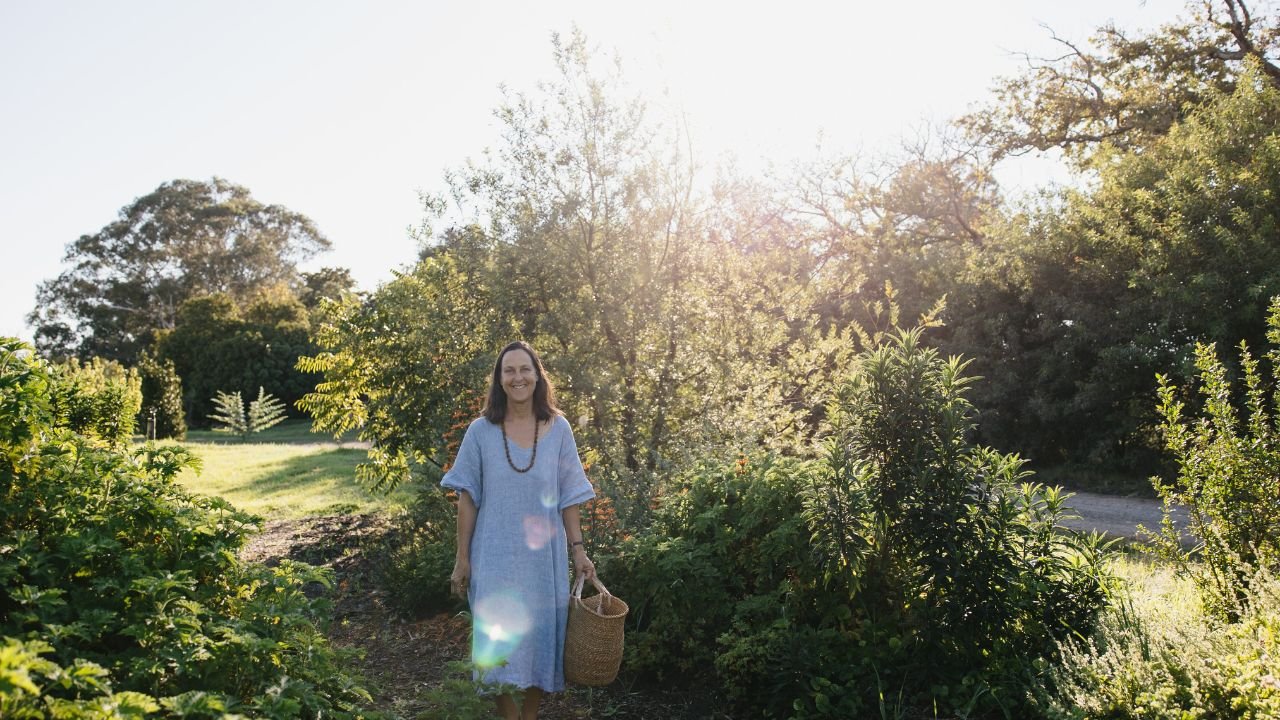
Herbal medicine South Africa: Spier expert shares everyday healing herbs
In kitchens, gardens and even along familiar footpaths, many of the plants people pass every day have long been valued for their healing qualities.
‘);
document.write(‘
‘);
}
As more South Africans take an interest in natural wellness and preventative healthcare, an expert says the conversation is shifting from searching for miracle cures to rediscovering the benefits of everyday herbs.
That is the message shared by registered phytotherapist Dr Caren Hauptfleisch, whose work at Spier Wine Farm centres on regenerative herbalism and the relationship between people, plants and long-term wellbeing.
Rather than presenting herbs as an alternative to conventional medicine, Hauptfleisch says they should be viewed as part of a broader approach to health that includes nutrition, lifestyle and professional medical care.
‘The best medicine is what is growing around you,’ she says.
‘);
googletag.cmd.push(function() { googletag.display(‘dfp-300×250-2’); });
document.write(‘
‘);
}
‘It is not rare or distant. It is often already part of your life in the food that you eat, the plants that grow in your garden and the herbs in your kitchen.’
Her approach focuses on supporting the body’s natural processes over time instead of chasing quick fixes, particularly when it comes to managing chronic conditions.
‘);
googletag.cmd.push(function() { googletag.display(‘dfp-300×250-3’); });
document.write(‘
‘);
}
‘In chronic illness, especially, people expect a quick result,’ she explains. ‘But herbs don’t work like a pharmaceutical model. They support the body over time. It becomes a process of rebuilding and a journey of restoration.’
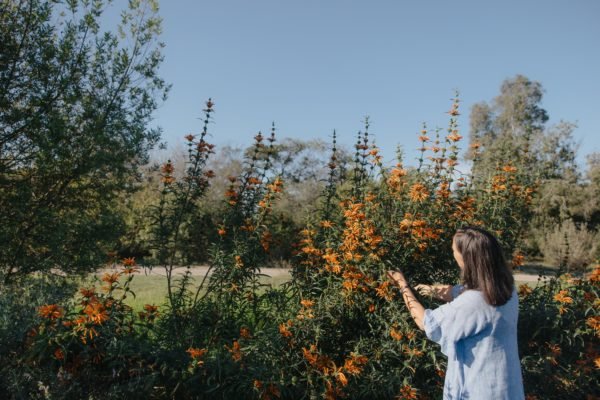
Interest in plant-based remedies has grown alongside the wider wellness movement, with herbal teas, botanical skincare and indigenous ingredients becoming increasingly visible in shops, markets and cafés across the Western Cape.
Hauptfleisch believes this renewed interest reflects a return to traditional knowledge rather than a passing trend.
‘It comes from the understanding that wellness is rooted in what we eat and herbs are part of that.’
She also cautions against relying solely on internet advice or self-diagnosis.
‘People choose herbs without understanding how they work in the body or whether they are even the correct species or preparation.’
Without proper guidance, she says, herbs may be used incorrectly, reducing their effectiveness or, in some cases, posing unnecessary risks.
Indigenous plants take centre stage
South Africa’s rich biodiversity offers a wealth of medicinal plants that have been used for generations.
Among those highlighted by Hauptfleisch are buchu for urinary health, African wormwood for immune and respiratory support, and wild garlic, which has long featured in traditional healing practices.
She also encourages people to look closer to home, pointing to herbs that are often already growing in gardens, including rose-scented geranium, indigenous Cape mint, calendula, yarrow and marshmallow root.
Many of these plants, she says, offer benefits ranging from digestive support and skin care to stress relief and wound healing.
The philosophy extends beyond herbal remedies alone, as Hauptfleisch says good health depends on the body’s systems working together, particularly digestion, which influences immunity, mood and overall wellbeing.
Starting with a simple cup of tea
For those curious about herbal medicine, she recommends beginning with something familiar rather than complicated formulations.
‘Three cups of herbal infusion tea a day can be a gentle way to support the body. Start with what you know. Food herbs are often the safest and most effective entry point.’
Rosemary, thyme, mint and sage can all be brewed into simple herbal infusions using freshly picked leaves steeped in hot water for 10 to 15 minutes.
She also advises harvesting herbs on dry, sunny days before storing them in glass containers once fully dried, helping preserve their natural properties.
Beyond teas, herbs also play a role in natural skincare. Aloe vera and Bulbine frutescens, both widely cultivated in South Africa, are among the plants she recommends for their soothing and regenerative qualities.
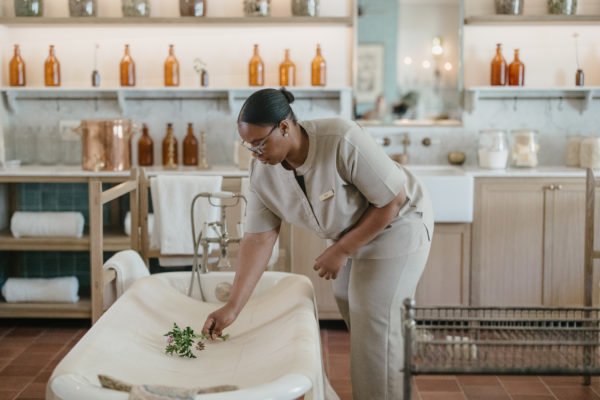
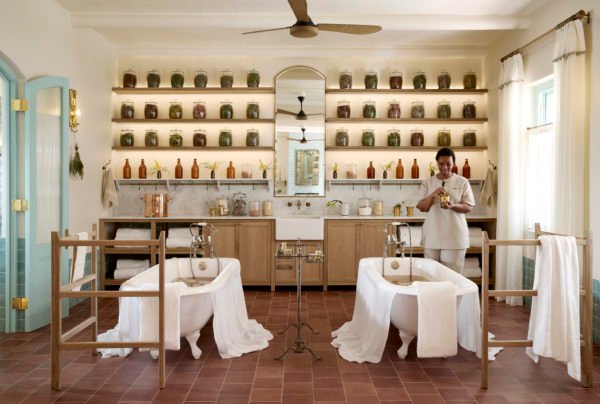
Visitors to Spier can experience many of these botanicals through guided fynbos tea tastings, the farm’s apothecary garden and wellness treatments inspired by indigenous plants.
For Hauptfleisch, the bigger picture is about restoring people’s relationship with the natural world.
‘We are not only what we eat. We are what we absorb, how we live and how we interact with our environment.’
She adds that herbs should complement, not replace, modern healthcare.
‘Used wisely, they reconnect people to a slower, more observant relationship with their bodies. And perhaps that is the real medicine, not just what the plant does, but what it teaches us about how our bodies heal and function optimally.’
Be the first to know – Join our WhatsApp Channel for content worth tapping into! Click here to join!
The longevity revolution: Why modern women are investing in ageing well, not looking younger
×
We use cookies to ensure that we give you the best experience on our website. If you continue to use this site we will assume that you are happy with it.Ok
