
Close Menu
Kporia Health

    Subscribe to Updates

    Get the latest creative news from FooBar about art, design and business.

    What's Hot

     Could GLP-1 drugs finally put a price on crop nutrient density?

    October 8, 2026

    Balancing nutritional adequacy and health benefits

    October 8, 2026

    7 Healthy Winter Squash to Try This Fall Season

    October 8, 2026
    Facebook X (Twitter) Instagram
    Kporia Health
    Facebook X (Twitter) Instagram
    Health Calculator
    • Home
    • Healthy Foods
    • Fruits
    • Herbs
    • Minerals
    • Nutrition
    • Vegetables
    • Vitamins
    Kporia Health
    Home»Vegetables»The World’s Vegetables Are Vanishing, And It’s Quietly Wrecking Our Diets
    Vegetables

    The World’s Vegetables Are Vanishing, And It’s Quietly Wrecking Our Diets

    AdminBy AdminAugust 9, 2026Updated:August 9, 2026No Comments5 Mins Read0 Views
    Facebook Twitter Pinterest Telegram LinkedIn Tumblr Copy Link Email
    Follow Us
    Google News Flipboard
    The World's Vegetables Are Vanishing, And It's Quietly Wrecking Our Diets
    Share
    Facebook Twitter LinkedIn Pinterest Email Copy Link


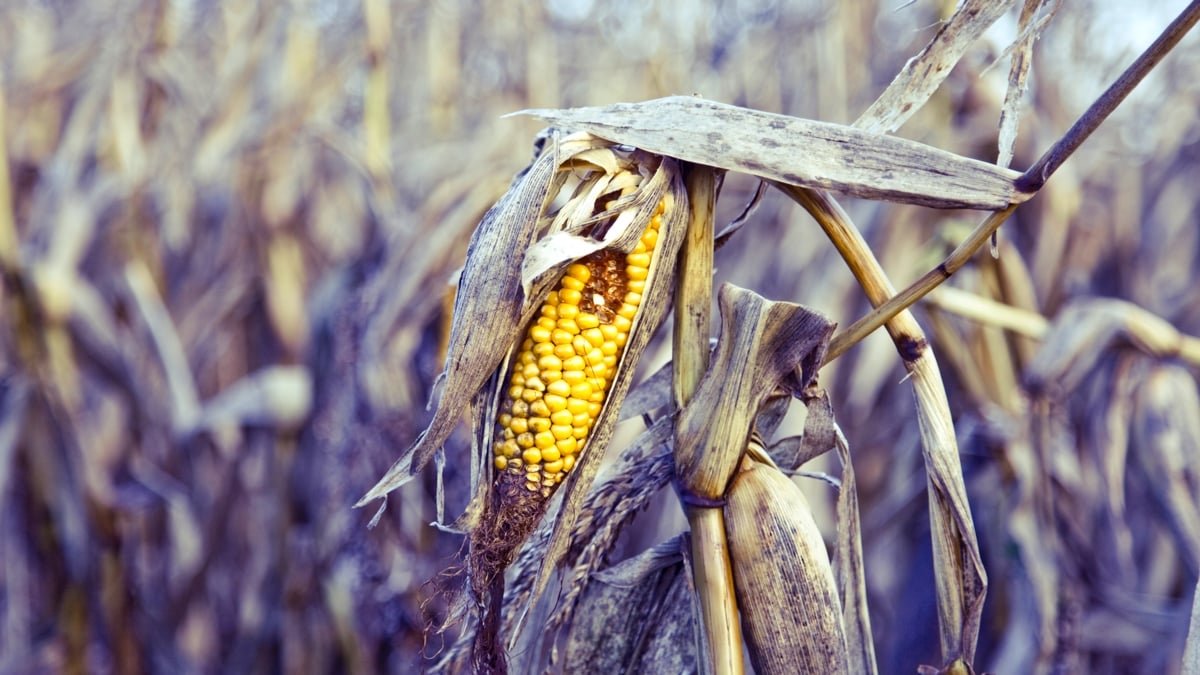
    Most of us aren’t eating anywhere near enough vegetables, and we’re suffering the health consequences.

    Meanwhile, we’re also growing fewer and fewer varieties of vegetables, adding to the declining diversity in our diets.

    A new report published in Proceedings of the National Academy of Sciences by an international team of nutrition, agriculture, and botany experts suggests embracing vegetable biodiversity could be key to improving our own health, and that of our planet.
    YouTube Thumbnail

    Agriculture scientist Maarten van Zonneveld, who led the research while working at the World Vegetable Center, says our existing approaches to agriculture are not enough to solve the world’s nutrition problems.

    “The solution isn’t simply to grow more vegetables – it’s also to grow more kinds of vegetables,” he says.

    “Much of the vegetable biodiversity we need is still out there – in traditional varieties and their wild relatives. The urgency is to conserve it properly so that we can use it wisely to diversify diets amid climate change.”
    The World's Vegetables Are Vanishing, And It's Quietly Wrecking Our Diets
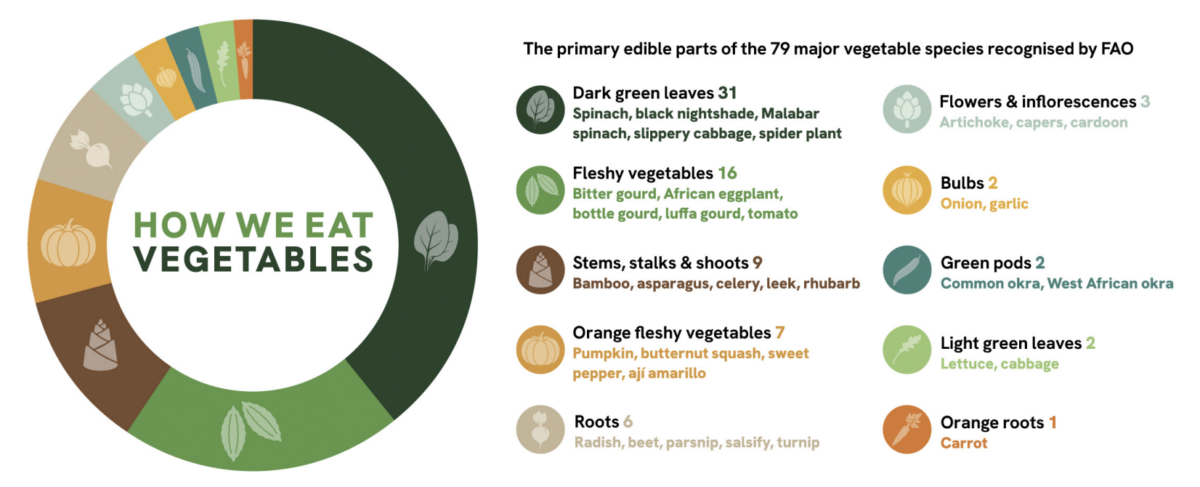
    Diversity in the primary edible parts was assessed across the 79 major vegetable species listed in FAO’s The Plants that Feed the World. Note that legumes are not included here, due to classification. (van Zonneveld et al., PNAS, 2026)

    The study suggests we’re overlooking lots of vegetables rich in minerals and vitamins that might also be better suited to local growing conditions, depending on where in the world you live.

    Across the world, most people consume around 40 percent fewer vegetables than recommended for a healthy diet.

    That’s concerning, given low consumption of vegetables is among the top five dietary risk factors contributing to the global burden of disease.

    Vegetables are often the first thing to go from the grocery list when money is tight. And farmers often see them as a bigger economic risk than other crops, because of their perishability and short shelf life.
    The World's Vegetables Are Vanishing, And It's Quietly Wrecking Our Diets

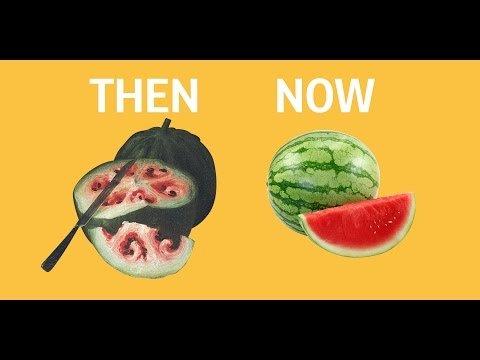
    Before agriculture became industrialized, there was a much greater diversity of plants being grown for food.

    For instance, there are more than 4,000 different varieties of potatoes, but in the United States, only about five to eight varieties are widely used.

    From artificial selection, to monocultures for mass production, to genetic modification, the industrialization of agriculture – and the supply chains that distribute these products – has whittled away the variety of vegetables that wind up on our tables.

    A review by the United Nations’ Food and Agriculture Organization (FAO) estimates that 24 percent of the wild relatives of vegetables assessed at the species level are at risk of extinction.

    And as we lose the genetic diversity of vegetables, we also lose their nutrients and the ability to adapt our crops to changing climate conditions.

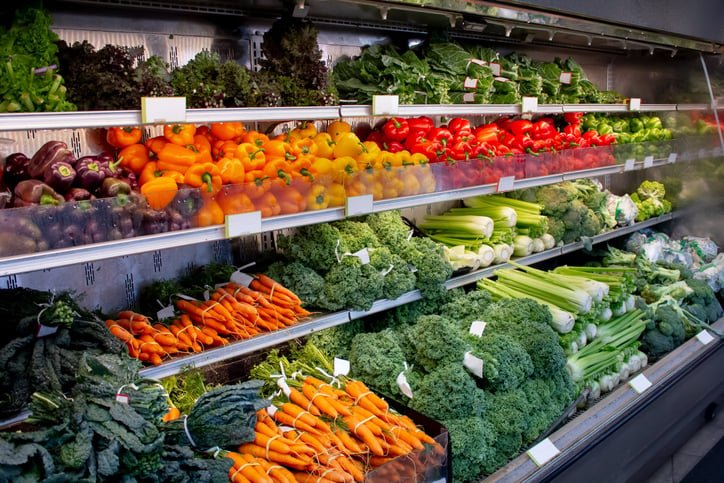
    “A few species, such as lettuce, onions, and tomatoes, have become global crops and are part of diets worldwide,” van Zonneveld and team write.

    “Many others, such as spider plant, slippery cabbage, and bitter gourd, which are typically denser in micronutrients and better adapted to challenging and really, and very often neglected in large-scale food policies and strategies.”

    Subscribe to ScienceAlert's free fact-checked newsletter

    Spider plant is a dark-green leafy vegetable grown in Africa that has been identified for its resilience to climate change, while also packing a lot of essential nutrients.

    “Currently, only a few local varieties are conserved in gene banks, with many gaps in collections, constraining breeding and the development of improved varieties for larger-scale production,” van Zonneveld and team note.

    Slippery cabbage is one of the most popular dark-green leafy vegetables in the Pacific, where the researchers say it has potential to greatly improve women’s and children’s nutrition especially.

    Bitter gourd is another climate-resilient vegetable popular in Asia and the Caribbean that has many wild relatives, which the researchers think could improve crops in these tropical regions.

    And then, there’s the well-known pumpkin, which can tolerate drought and heat, while producing fruits rich in beta-carotene. Despite its commercial importance, the researchers say “its genetic re

    The researchers think these four vegetables could be great starting points for diversifying food crops regionally, but there’s plenty of others.

    We just need to start growing and eating them, before they disappear.

    “The ongoing biodiversity loss for these and the other 1,480-plus vegetable species occurs at a time when global food systems urgently need diversification,” the team concludes.

    “Alignment under a global initiative would ensure that local and regional efforts translate into improvements in diets at both the local and global levels.”

    Closer to home, we can add more diversity to our diets in a few ways.

    If you’re a keen gardener, look for ‘landrace’ and ‘heirloom’ varieties of vegetables to grow in your garden.

    Collecting seeds from your own vegetables to grow again next year is another great way to keep that biodiversity rolling – you might even end up with your own unique varieties.

    Shopping for groceries at farmers’ markets and independent grocers is also a great way to find a wider range of vegetables (and fruits) to add to your diet.

    Who knows, you might even find a new favorite.

    The research was published in PNAS.

    This article was fact-checked by Rachel Garner and edited by Peter Dockrill. While we pride ourselves on our process, we are only human. If you spot a mistake, please let us know.

    Quietly Vanishing vegetables Worlds Wrecking
    Follow on Google News Follow on Flipboard
    Share. Facebook Twitter Pinterest LinkedIn Telegram Email Copy Link
    Admin
    • Website

    Related Posts

    Balancing nutritional adequacy and health benefits

    By AdminOctober 8, 2026

    7 Healthy Winter Squash to Try This Fall Season

    By AdminOctober 8, 2026

    Vegetables are half as nutritious than 60 years ago. Experts now know why

    By AdminOctober 8, 2026

    Beyond Meat signals shift toward nutrient stacking in plant

    By AdminOctober 7, 2026

    SNAP’s funding model is starting to change. Here’s what that means for the program

    By AdminOctober 6, 2026

    Health experts name 9 fruits and vegetables Brits should eat more of for healthy hearts

    By AdminOctober 5, 2026
    Add A Comment
    Leave A Reply Cancel Reply

    Top Posts

    Supplements and Vitamins To Avoid With High BP

    August 7, 20265 Views

    The 8 healthiest beans you should be eating more often, according to nutrition expert

    August 7, 20265 Views

    how the controversial plant could be used for good

    August 7, 20264 Views

    Health Benefits of Bell Peppers

    August 7, 20264 Views
    Don't Miss

    Infant and young child feeding

    August 7, 20268 Mins Read1 Views

    In 2021, maternal and child malnutrition was estimated to be associated with 2.4 million child deaths annually or more than 50% of all child deaths (1). Early, exclusive and continued breastfeeding can prevent pneumonia and diarrhoea, which are amongst the leading causes of child death. Infant and young child feeding is a key area to improve…

    Why Goji Berries Are So Good for You

    August 7, 2026

    Urban living linked to slightly healthier diets but also higher overweight and obesity among adolescents in Viet Nam

    August 7, 2026

    Not all fruits and vegetables are equal when it comes to heart health, our research shows

    August 7, 2026
    Stay In Touch
    • Facebook
    • Twitter
    • Pinterest
    • Instagram
    • YouTube
    • Vimeo

    Subscribe to Updates

    Get the latest creative news from SmartMag about art & design.

    About Us

    At Kporia Health, our mission is to help people make healthier choices by providing reliable, easy-to-understand, and informative content about nutrition, wellness, and healthy living.

    We believe that maintaining good health starts with knowledge. Our platform is dedicated to sharing valuable information about the benefits of fruits, vegetables, herbs, vitamins, minerals, and other essential nutrients that support a healthy lifestyle.

    Facebook X (Twitter) Pinterest YouTube WhatsApp
    Our Picks

     Could GLP-1 drugs finally put a price on crop nutrient density?

    October 8, 2026

    Balancing nutritional adequacy and health benefits

    October 8, 2026

    7 Healthy Winter Squash to Try This Fall Season

    October 8, 2026
    Most Popular

    Not all fruits and vegetables are equal when it comes to heart health, our research shows

    August 7, 20260 Views

    Greek yogurt: Health benefits, protein content, and how to choose the best option

    August 7, 20260 Views

    How To Eat Well When Every Dollar Counts

    August 7, 20260 Views
    • About Us
    • Contact Us
    • Terms & Conditions
    • Privacy Policy
    • Disclaimer

    © 2026 health.kporia.com. All rights reserved. Designed by DD.

    Type above and press Enter to search. Press Esc to cancel.