

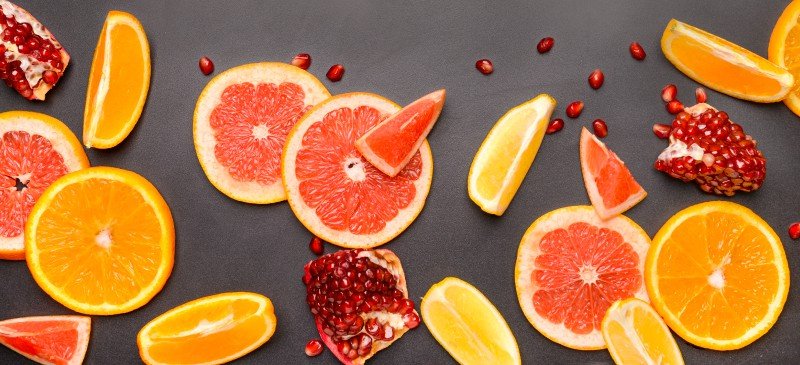
Eating seasonally may feel a bit tougher to pull off in the winter. However, the benefits of this approach by eating winter fruits and vegetables are still the same, including a higher intake of certain nutrients, help supporting local farmers, plus better taste and value.
While farmers markets open in the spring, summer and fall tend to draw in the largest crowds, those that remain open during the coldest months of the year still have plenty to offer.
Which fruits grow in winter? Winter fruits in season include those in the citrus fruit family, like oranges and grapefruit, as well as kiwi and winter melon. Those aren’t all either.
Top 12 winter fruits
The availability of winter fruits in different regions depends on the specific temperature, as well as the use of farming methods, such as greenhouses and hoop houses that help crops grow in cooler climates.

In tropical regions, such as those located close to the equator, it’s possible to grow many fruits year-round, such as bananas, coconut and avocado. But in much of North America, the range of fruits available in the dead of winter is a bit more limited.
What are examples of winter fruits? Here are the top winter fruits to add your diet:
1. Oranges
There are many types of oranges in existence, including cara cara, navel, mandarin, minneola, blood oranges and others. Some types are available year-round, but in the U.S., oranges are in peak season during the winter, when they grow abundantly in states such as Florida, California, Texas and Arizona.
They’re more well-known for providing lots of vitamin C, but oranges are also rich in flavonoids, such as hesperidin.
2. Clementines
Clementines are basically small oranges. They are technically types of mandarin oranges that are made from crossing two different orange species.
In stores they’re sometimes called “halos” or “cuties” and tend to be sold in big boxes or bags. They’re popular among children since they’re easy to peel and often seedless, and they’re a great way to obtain vitamin C.
3. Tangerines
Tangerines are types of sweet oranges that tend to be smaller than bigger types, such as cara caras and navels. Like other oranges, they provide vitamin C and a host of other nutrients.
4. Grapefruits
Much like other citrus fruits, grapefruits grow in the U.S. predominately in California, Texas, Florida and Arizona. They are in season usually from January to the late spring.
Grapefruit is high in vitamin C plus vitamin A, as well as health-promoting phytochemicals like lycopene and beta-carotene, limonoids like limonin, and flavonoids like naringenin. These have the ability to fight free radical damage and oxidative stress that contribute to aging and chronic disease development.
5. Kumquat
Kumquats are tiny citrus fruits that have a sweet and tart flavor. Hailing from the same family of plants as the orange, kumquats are one of the best
Unlike other citrus fruits, kumquats can be consumed with the skin on. Although the pulp has a distinctly sour flavor, the skin actually provides an extra dose of sweetness and is full of protective compounds.
6. Lemons
7. Limes
While you can find lemons and limes in grocery stores all year, certain types, such as Meyer lemons, are in season in the middle of winter. Meyer lemons are described as sweeter than regular lemons and are often used in baking and cocktails.
There are many reasons to enjoy lemons and limes. For instance, they’re full of acidic flavor but low in calories and generally low in sugar.
They also provide powerful flavonoids, including quercetin, luteolin, apigenin and hesperidin.
8. Kiwi
Kiwi is a small, fuzzy fruit with a seedy, green inside that is harvested in winter through spring. It’s exceptionally high in vitamin C, and it provides a good amount of vitamin K in addition to potassium and vitamin E.
9. Winter melon
Winter melon, also called ash gourd, is an excellent a dark green color and an oblong shape
The flesh of the fruit is white, as are the seeds, but unlike most fruits, it cannot be consumed raw. Instead, it’s typically simmered or steamed and treated more like a vegetable than a fruit in Asian and Indian recipes.
Pomegranate is a red, sweet and sour fruit that is filled with many small seeds. The seeds contain tons of antioxidants, as does pomegranate juice, including flavonoids that are linked to cancer prevention, detoxification, heart health and more.
This fruit is also high in vitamin K, vitamin C, folate and potassium.
Cranberries are red winter berries that are high in antioxidants and nutrients associated with prevention of some cancers, infections, markers of heart diseases and inflammation. These include compounds such as anthocyanins, quercetin, benzoic acid and epicatechins.
Additionally, cranberries provide vitamin C, manganese, vitamin E and vitamin K.
12. Persimmon
Persimmon is a round, orange fruit native to Asia that’s high in vitamin A, vitamin C and manganese. It also contains antioxidants, such as gallic acid and epicatechin gallate, two compounds that are associated with health perks such as reducing cholesterol levels, inflammation and high blood pressure.
According to the U.S. Department of Agriculture, depending on your location, other fruits available in the winter can include:
- Apples
- Pears
- Pineapple
- Bananas
- Papaya
- Passion fruit
- Coconut
- Avocados
- Currants
- Pomelo
- Winter squash
- Dates
- Mosambi
- Indian jujube
- Strawberries
Health benefits
Adding winter fruits, such as oranges, cranberries, pomegranate and kiwi, to your diet is a great way to boost your vitamin C and antioxidant intake. Here’re more about the benefits of eating winter fruits:
- High in vitamin C. This essential nutrient and antioxidant helps support immunity, provides cancer-fighting properties, and improves brain, skin and heart health.
- Good sources of vitamin A. Vitamin A is another antioxidant that is tied to eye/vision health, cardiovascular health and skin health.
- Provide fiber. Dietary fiber found in fruit is needed for digestive and gut health. Fiber helps prevent constipation, keeps your appetite in check, supports healthy cholesterol levels and “feeds” friendly probiotic microbes living in your gut microbiome.
- Support healthy cognitive function. Antioxidants such as flavonoids and polyphenols found in fruits have been shown to boost brain function and decrease cognitive decline.
- Can help support cardiovascular health. Fruits such as grapefruit and pomegranate can help keep cholesterol levels within a healthy range and decrease levels of systolic blood pressure, which may help protect against heart disease and stroke.
- May help fight cancer. Citrus fruits, kiwi and others are jam-packed with beneficial compounds that fight oxidative stress to protect against cell damage. Antioxidants are thought to play a central role in health and disease, with some research showing that they could aid in the prevention of many chronic conditions, including cancer.
- Protect bones. Some fruits provide minerals that help fortify your bones, such as potassium and vitamin C.
- Protect against kidney stones. Some fruits can help increase levels of citrate in the urine to prevent the formation of kidney stones.
- May help with weight loss. Winter fruits have a high water content and are low in calories yet brimming with fiber, making them a great choice if you’re looking to fill up on less calories.
- Help heal injuries faster and reduce joint pain. Cranberries, pomegranate and other fruits have anti-inflammatory and antioxidant effects that support healing of connective tissues.
- Reduce the risk of infections. Antioxidants and antimicrobial compounds found in winter fruits can help kill bad bacteria and naturally help treat urinary tract infections, bladder infections and even acne.
How to add to diet
Winter fruits can be enjoyed in many ways, such as by simply peeling and eating them as a snack, juicing them, adding them to fruit salads, or sectioning them and enjoying with some yogurt or cottage cheese and granola.
If you find citrus fruits like grapefruit to be a bit too sour, try topping with a small amount of raw honey.
Other uses for citrus fruits, including grapefruit, blood oranges, lemons and limes, include adding them to mocktails or low-sugar cocktails, marmalades, and healthy desserts, like key lime pie, orange cake or lemon muffins.
Lemon and lime juice also help zest up the flavor of salad dressings, marinades, fresh pressed juices, smoothies and more.
Cranberries are a great addition to poultry, meat or fish, along with sauces and jams. Pomegranate seeds have a healthy snack, are great on oatmeal or with yogurt, and can be juiced to make a healing beverage.
Here are recipe ideas using some of the winter fruits listed above:
Keep in mind that aside from winter fruits, you’ll also benefit from consuming winter vegetables, such as:
- broccoli
- Brussels sprouts
- endive
- cabbage
- beets
- celeriac
Risks and side effects
Although fruits are associated with a long list of benefits, it’s important to remember that fruits also contain a high amount of sugar and not much protein or healthy fats, so eating them as part of a balanced diet is best.
Compared to whole fruit, fruit juice is also significantly higher in calories, which can contribute to weight gain. Therefore, it’s best to opt for whole fruit over fruit juice whenever possible.
Citrus fruits also contain a much higher amount of citric acid than non-citrus fruit, which can erode tooth enamel over time and increase the risk of developing cavities. For this reason, it’s important to keep your intake in moderation and enjoy a variety of other fruits.
Certain types of fruit may also interact with medications. Specifically, grapefruit, tangelos and Seville oranges contain a chemical known as furanocoumarin, which can block the activity of a specific enzyme needed to break down some medications, such as statins and benzodiazepines.
If you take any prescription medications, be sure to talk to a trusted healthcare professional before consuming new fruits to prevent interactions.
Additionally, keep in mind that kiwi allergies are somewhat common and responsible for 10 percent of all food allergy reactions in children. People with allergies to latex and other fruits like avocados and bananas should be especially cautious.
Frequently asked questions
What are winter fruits?
Winter fruits are fruits that are naturally harvested during the colder months or remain available and at peak quality throughout winter. Common winter fruits include citrus fruits like oranges, grapefruits, lemons and mandarins, as well as apples, pears, pomegranates, kiwis and persimmons. Many winter fruits are rich in vitamin C, antioxidants and fiber, making them especially beneficial during cold and flu season.
What fruits are in season during winter?
Fruits in season during winter typically include oranges, clementines, tangerines, grapefruits, lemons, limes, pomelos, apples, pears, pomegranates, persimmons, kiwis, cranberries and dates. Seasonal availability may vary slightly depending on climate and region, but these fruits are widely considered winter staples.
Why are citrus fruits popular in winter?
Citrus fruits are popular in winter because they ripen in cooler temperatures and are especially high in vitamin C, which supports immune health. Oranges, grapefruits, lemons and mandarins are also hydrating, refreshing and versatile, making them ideal for winter meals, snacks and beverages.
Are winter fruits healthy?
Yes, winter fruits are highly nutritious. They are packed with essential vitamins, minerals, antioxidants and dietary fiber. Many winter fruits help support immune function, digestive health, heart health and skin health, while also providing natural sweetness during months when fresh produce options are more limited.
What are the best winter fruits for immune support?
Some of the best winter fruits for immune support include oranges, grapefruits, kiwis, lemons, pomegranates and mandarins. These fruits are rich in vitamin C, polyphenols and other antioxidants that help support the immune system and reduce oxidative stress.
Can you eat fresh fruit in winter?
Yes, you can eat plenty of fresh fruit in winter. While summer fruits may be less available, many winter fruits are harvested fresh during the colder months or store well, such as apples, pears and citrus fruits. Frozen and dried winter fruits can also be nutritious alternatives.
What winter fruits are high in vitamin C?
Winter fruits high in vitamin C include oranges, grapefruits, lemons, limes, kiwis, mandarins, clementines and pomelos. Adding a variety of these fruits to your diet can help you meet daily vitamin C needs during winter.
What are the best winter fruits for digestion?
Apples, pears, kiwis, oranges and pomegranates are among the best winter fruits for digestion. These fruits contain fiber, enzymes and natural compounds that support gut health, promote regular bowel movements and feed beneficial gut bacteria.
Are winter fruits good for weight management?
Yes, many winter fruits can support weight management. Fruits like apples, pears, grapefruits and oranges are low in calories but high in fiber and water, which help promote fullness and reduce overeating.
How should winter fruits be stored?
Storage depends on the fruit. Citrus fruits can be stored at room temperature for short periods or refrigerated for longer freshness.
Apples and pears keep best in the refrigerator. Pomegranates, kiwis and persimmons can be stored in a cool, dry place or refrigerated once ripe.
Are frozen fruits a good option in winter?
Yes, frozen fruits are excellent options in winter. Frozen fruits are typically picked at peak ripeness and retain most of their nutrients. They are convenient for smoothies, baking and cooking when fresh options are limited.
What is the difference between winter fruits and summer fruits?
Winter fruits tend to be more cold-tolerant, store well, and are often rich in vitamin C and antioxidants. Summer fruits, such as berries, peaches and melons, are typically higher in water content and ripen in warm weather. Both offer unique nutritional benefits.
Can winter fruits help with seasonal fatigue?
Yes, winter fruits can help combat seasonal fatigue. Their natural sugars provide energy, while nutrients like vitamin C, potassium and antioxidants support overall vitality and reduce inflammation.
What are the best ways to eat winter fruits?
Winter fruits can be eaten fresh, added to salads, blended into smoothies, juiced, baked, roasted, or used in sauces and desserts. Citrus fruits are also popular in teas, marinades and dressings during winter months.
Conclusion
- Are any fruits in season in winter? Yes. These include citrus fruits like oranges, lemons, limes, grapefruit and tangerines, plus kiwi, pomegranate, winter melon and cranberries.
- Studies show that these fruits may help improve digestive health, boost brain function, increase weight loss, combat cancer cell growth, prevent kidney stones and enhance heart health.
- While some fruits can be juiced, whole fruits should be prioritized over fruit juice, as juices are generally higher in calories and sugar but lower in fiber.
- Besides enjoying fruits as a simple snack, try adding these fruits to healthy desserts, oats, yogurt bowls, salads, side dishes and smoothies, just like you would with summer fruits.
