

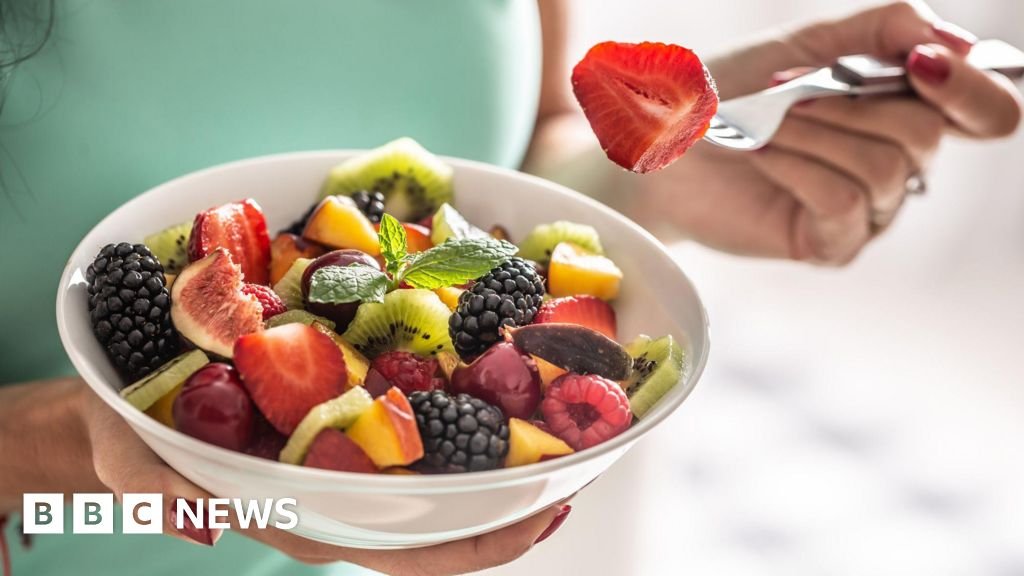
Eating a variety of fruits and vegetables is an important part of a heart-friendly diet. A recent study has added to evidence that regularly eating plant foods may be associated with better cardiovascular health.
Rather than focusing on one “miracle” food, researchers continue to emphasize the importance of getting a wide range of nutrients from different fruits and vegetables.
1. Leafy Green Vegetables
Spinach, kale, broccoli and other leafy greens provide nutrients such as folate, vitamin K, vitamin C and dietary fiber.
Adding leafy greens to salads, soups, sandwiches or cooked meals can be an easy way to increase vegetable intake.
2. Berries
Strawberries, blueberries, raspberries and other berries contain fiber and naturally occurring plant compounds called polyphenols.
They can be enjoyed fresh or frozen and make an easy addition to oatmeal, yogurt or smoothies.
3. Tomatoes
Tomatoes provide vitamin C, potassium and carotenoids, including lycopene.
Cooking tomatoes with healthy ingredients can be another simple way to include them in meals.
4. Beans and Other Legumes
Beans, lentils and chickpeas provide plant-based protein and dietary fiber.
Replacing some higher-saturated-fat foods with legumes can help create a more balanced eating pattern.
5. Apples and Other Whole Fruits
Apples, pears, oranges and other whole fruits provide fiber, vitamins and plant compounds.
Whole fruit is generally preferable to fruit juice when you’re looking to increase fiber and make fruit part of a balanced diet.
Why Variety Matters
There isn’t one food that can guarantee good heart health. Instead, the overall pattern of your diet matters.
A heart-friendly eating pattern can include:
- Plenty of vegetables and fruits
- Whole grains
- Beans and other legumes
- Nuts and seeds
- Fish and other nutritious protein sources
- Healthy unsaturated fats
- Less highly processed food and excess sodium
What Does “Five a Day” Mean?
The five-a-day concept encourages people to include several portions of fruits and vegetables throughout the day. You can mix different types rather than eating five portions of the same food.
For example, you could have berries with breakfast, an apple as a snack, vegetables with lunch and two different vegetables with dinner.
The Bottom Line
If you’re looking after your heart, focus on overall dietary variety rather than a single superfood. Including colorful vegetables, fruits, legumes and other nutrient-rich foods regularly can help build a balanced eating pattern.
Health disclaimer: This article is for general educational purposes and is not a substitute for medical advice. If you have heart disease or another medical condition, speak with a qualified healthcare professional about your individual diet and nutritional needs.
