

Most of us are used to thinking that all fruits are healthy, that all vegetables are good for us, and that if a food receives a nice score on its packaging, it is likely a successful choice. However, a new study suggests that the picture is far more complex.
The researchers developed a new system called Nutritional Value Score: NVS, a score that attempts to rank foods not only by calories or by a single component like sugar or fat, but by their overall nutritional value and their connection to preventing chronic diseases. The result: Dark green vegetables, organ meats, fish, and seafood received the highest scores, while soft drinks, sweet pastries, instant noodles, ultra-processed snacks, and refined grains (such as white flour) received particularly low scores.
In simple terms: Not every food within the same “family” is truly equal in value. Spinach, for instance, may be much richer nutritionally than watermelon. Even staple foods that many perceive as neutral or “okay,” such as refined grains and white rice products, may have a lower nutritional value than commonly thought.
According to the researchers, most existing rating systems were primarily developed in wealthy countries, with the goal of addressing the risk of chronic diseases such as obesity, diabetes, and heart disease. The problem is that such methods do not always take into account how rich a food actually is in vitamins, minerals, and high-quality protein, nor do they consider the differences in the bioavailability of various nutrients.
This is important because food can be low in calories or low in sugar, yet still fail to truly nourish the body. On the other hand, a certain food can be slightly more calorically dense, while nevertheless providing a large amount of essential nutrients.
So how is the new score constructed? The NVS is based on seven components: Vitamins, minerals, protein, omega-3, fiber, caloric density, and ratios between nutritional components such as sodium versus potassium, saturated fat versus unsaturated fat, and carbohydrates versus fiber. Additionally, ultra-processed foods received a penalty of 25% in their score. The system was tested on 289 common foods from Indonesia, Bangladesh, Kenya, Nigeria, and the United States.
In other words, the researchers did not test only packaged Western foods, but attempted to create a tool suitable for diverse populations and local foods as well.
At the food group level, the two groups that received the highest scores were dark green leafy vegetables and organ meats. Following them were fish and seafood, unprocessed red meat, eggs, legumes, chicken, milk, yogurt, nuts, and seeds.
At the individual food level, leaders included dried okra, dried fish and seafood, spinach, liver and other organ meats from chicken and beef, sardines, and other small fish. Lentils, eggs, tofu, carrots, guava, orange sweet potatoes, almonds, unsweetened milk, and unsweetened soy milk also received relatively good scores.
At the bottom end of the list were beverages, Gatorade, Cola, rice porridge, instant noodles, ultra-processed sweet and savory foods, coconut, and white rice products. Refined grains as a group also received a low score.
One of the interesting insights in the study is that broad categories like “fruits” or “vegetables” can be misleading. The researchers demonstrated, for example, that the score of guava was significantly higher than that of watermelon, and that the score of spinach was much higher than that of eggplant. This does not mean that watermelon or eggplant are “bad” foods. It only means that if the goal is to obtain as much nutritional value as possible – particularly vitamins, minerals, and protective components – there are foods that provide far more than others.
This is an important point for the public as well: The mere fact that a person eats “a little fruit” or “a little vegetables” is a good step, but there is still significance to which fruit and which vegetable one chooses.
The researchers compared the new score to familiar systems such as Nutri-Score and Health Star Rating. According to them, the NVS managed to better distinguish between different foods within the same group. For example, while other systems might give similar scores to most fruits and vegetables, the NVS showed that there is a big difference between nutritionally richer fruits and vegetables and those that are less so. It also gave higher weight to organ meats and fish, and lower weight to refined grains.
However, it is important to understand: The researchers themselves emphasize that this system was not meant to be a simple front-of-package sticker. It was developed primarily as a tool for research, policy, environmental comparisons, and assessing the economic accessibility of foods.
As in any study, there are limitations here as well.
The researchers note that the system still requires further validation. While part of the weight given to each component is based on scientific knowledge, it also includes decisions made by the researchers. In addition, part of the nutritional data relied on American databases, because there was not always sufficient detailed local data available. The system also does not yet include every possible factor that could affect food quality, such as polyphenols, beneficial microorganisms, a full breakdown of added sugars, or certain bioactive components.
Therefore, it is right to view this study as a promising new tool, but not as an absolute and final truth.
The practical message of the study is not that everyone should start eating liver tomorrow. The real message is broader: Nutrition is much more than calories, and even more than a simple division into “fruits,” “vegetables,” or “grains.”
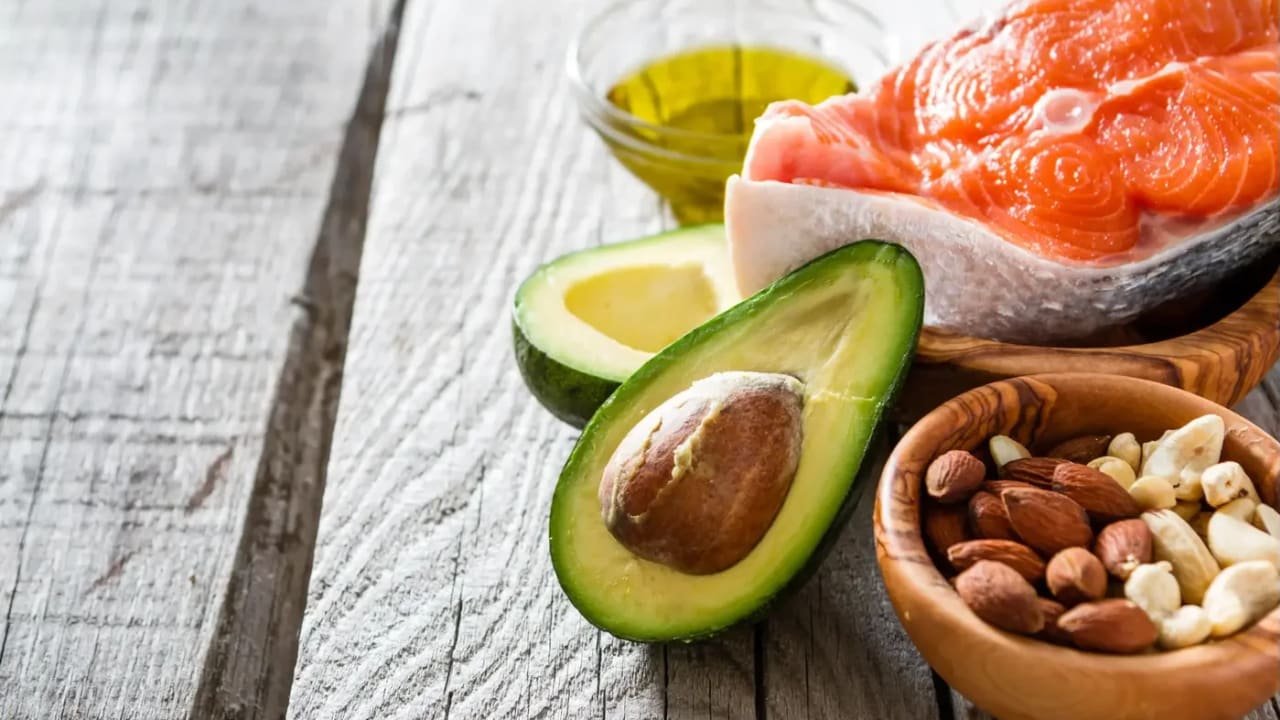
If one wants to build a more nutritious diet, this study reinforces a direction already well known from nutritional literature: To prefer real, natural, and unprocessed food, and to give a particularly important place to nutrient-dense foods such as leafy green vegetables, fish, eggs, legumes, nuts, seeds, and other whole foods. Conversely, ultra-processed snacks, sweetened beverages, and refined grain products may be much less nutritionally beneficial than they seem.
In a world where we are flooded with marketing slogans and colorful labels, perhaps this is the most important lesson: Not every food that looks “healthy” is truly equally nutritious, and the details on our plate still matter very much.
