

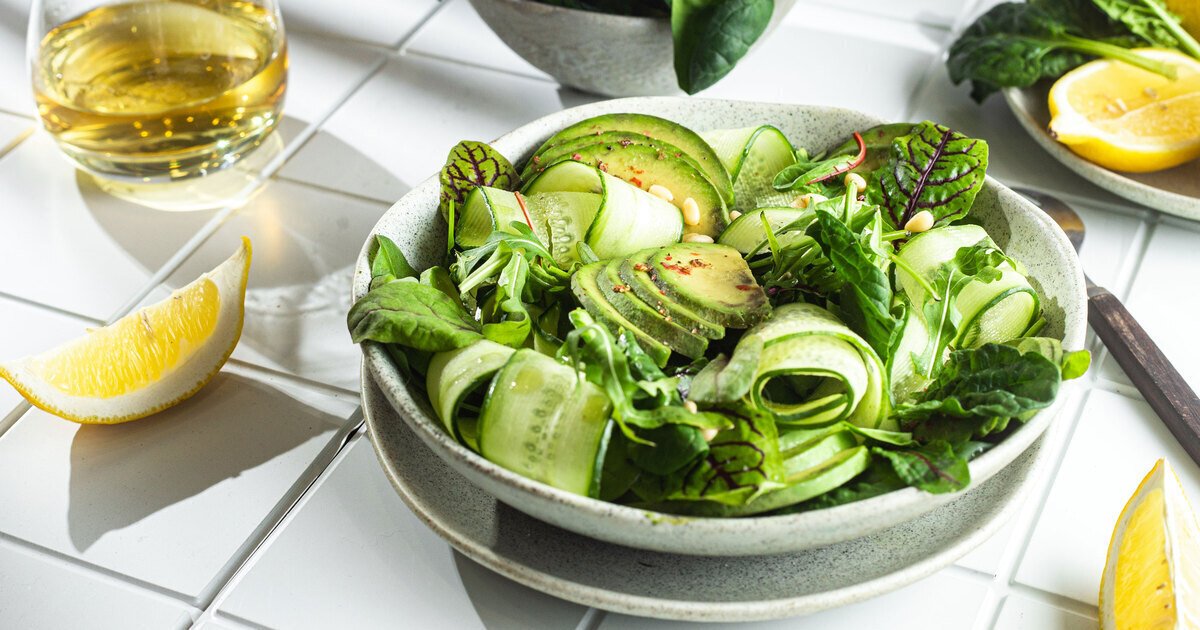
Eating leafy greens is one of the best things you can do for your health, according to a study from the Centers for Disease Control and Prevention (CDC). The research ranks the most nutrient-dense vegetables, highlighting the key role leafy greens play in a balanced diet.
We tapped Certified Nutrition Specialist Elizabeth Quinn to find out exactly why these vegetables are so good for you.
CDC study on nutrient density
The CDC study analyzed 47 different fruits and vegetables to determine their nutrient density, which measures the concentration of essential vitamins, minerals, and other beneficial compounds relative to their calorie content.
The researchers focused on 17 key nutrients, including fiber, potassium, iron, and vitamins A, C, D, E, and K. Foods that scored high in these nutrients per calorie consumed were deemed “powerhouse” vegetables.
Among these, leafy greens stood out as the top 10 contenders. Quinn explains that leafy greens are especially valuable because they provide a high amount of nutrients with a low energy load.
“A nutrient-dense food provides high amounts of nutrients in a lower amount of calories,” Quinn tells VegNews. “This makes leafy greens an excellent choice for anyone looking to boost their nutrient intake without consuming excessive calories.”
The 10 healthiest vegetables and how to eat more of them
Want to get more of these healthy veggies into your regular meal rotation? Chefs Alex Mazzucca and Cara Duerr share a few chef tips and tricks they’ve learned operating their plant-based restaurant Seed to Sprout in New Jersey, which appeared in a 2024 episode of Diners, Drive-Ins, and Dives.
1Watercress
Watercress tops the list with a perfect nutrient density score of 100. “One cup of raw watercress contains less than four calories but still provides a lot of nutrients,” Quinn explains. “It’s a goodortant for eye health.” Watercress also provides vitamin K, vitamin C, some B vitamins, and several minerals such as calcium, zinc, and iron
Hot to eat more:“We definitely recommend eating watercress raw, as it’s one of the most nutrient-dense plants on the planet,” the chefs tell VegNews. They recommend tossing the greens into your favorite salads, using them instead of sprouts in a wrap, or garnishing dishes with the microgreen version of watercress.

2Chinese cabbage
Chinese cabbage, also known as napa cabbage, is a cruciferous vegetable packed with phytonutrients called glucosinolates.
“These compounds help with glycemic control, blood pressure, and lipid profiles,” Quinn says. “They also play a role in detoxification and may help prevent chronic diseases.”
How to eat more: Mazzucca and Duerr recommend fermenting the cabbage into kimchi. “It is super easy and rewarding, and so great for gut health,” they say.
3Chard
Swiss chard is another nutrient-rich leafy green that supports heart health. “Chard is high in nitrates, which help relax blood vessels and improve blood pressure,” Quinn says. “It’s also rich in vitamin K, which reduces arterial stiffness by preventing calcium deposits in blood vessels.”
How to eat more: “It’s a pretty delicate green, so it doesn’t need much cook time at all to get tender and juicy,” the chefs explain. They recommend just throwing it in a pan with olive oil, sea salt, and garlic for a quick saute or adding it right at the end into a stir-fry or soup.

4Beet greens
Often discarded in favor of the root, beet greens are more nutritious than the beets themselves. “Beet greens, like most leafy greens, are high in calcium, iron, B vitamins, and many minerals,” Quinn explains.
“They’re packed with nutrients because they take in sunlight and convert it to energy, while also fighting off above-ground threats to the plant,” Quinn says.
How to eat more: The chefs call this one their favorite green. “Think of using them exactly how you would spinach, just be sure to wash them well first,” Mazzucca and Duerr say.
5Spinach
Spinach is a versatile leafy green known for its high iron content. “You can improve iron absorption from spinach by cooking it in water rather than eating it raw,” says Quinn. “Boiling spinach reduces the amount of oxalates that can interfere with mineral absorption.” To further boost iron absorption, Quinn suggests pairing spinach with vitamin C-rich foods such as citrus fruits or bell peppers.
How to eat more: “To avoid overcooking spinach, simply wait until your dish is done, and toss them in at the very end right after turning off your heat—especially for soups or pastas,” the chefs say. If you are storing soups for multiple days, they recommend waiting to add spinach until serving to maintain ultimate freshness.
6Chicory
Chicory, often used as a coffee substitute, is rich in prebiotic fiber, specifically inulin. “Inulin is a type of fiber that is selectively consumed by good bacteria in your gut, which provides a health benefit,” Quinn says.
“It helps improve digestion, relieve constipation, promote weight loss, and regulate blood sugar,” she says.
How to eat more: Mazzucca and Duerr love using Italian chicory (commonly known as radicchio) in both raw and cooked preparations. “While we absolutely love a good tricolored salad, we also love drizzling radicchio with some good olive oil, sprinkling with sea salt, and throwing it on the grill,” the chefs say. “Finish it with a sweet balsamic for perfection.”
7Leaf lettuce
Leaf lettuce, particularly darker varieties, is a goodnutrient-dense it is,” Quinn explains. “It also contains moderate amounts of folate, other B vitamins, and minerals like potassium, magnesium, and calcium.”
How to eat more: The chefs love using leaf lettuce as a lettuce cup for its endless flavor possibilities. “Throw in some roasted tofu or chickpea salad and whatever toppings your heart desires,” the chefs say. “Super clean and super quick.”
8Parsley
Parsley is often used as a garnish, but it is so much more than that with significant health benefits due to its anti-inflammatory properties. “Parsley contains two main phytonutrients called apiol and myristicin,” says Quinn. “These have powerful antioxidant properties and can help reduce inflammation in the body.”
How to eat more: “Whenever we have our hands on a good amount of parsley we make a fresh batch of chimichurri,” Mazzucca and Duerr say. Slather this “absolute flavor bomb” on roasted veggies, potatoes, or your favorite plant-based protein, the chefs suggest.
9Romaine lettuce
Romaine lettuce is a healthier option than iceberg lettuce due to its higher concentration of nutrients. “The darker green color of romaine means it contains more chlorophyll, beta-carotene, and other vitamins and minerals,” Quinn says.
“The pigments that give romaine its darker color include beta-carotenes, a form of vitamin A,” she adds.
How to eat more: “While we love to use romaine instead of toasts or buns for chickpea salad or burgers, this is another one we absolutely love throwing on the grill,” the chefs suggest, adding that warm preparation is a welcome twist during cooler months.
10Collard greens
Collard greens are packed with calcium and vitamin K, making them a powerhouse for bone health. “One cup of cooked collards has as much calcium as a glass of milk,” Quinn says. “They also contain many other minerals important for bone health, such as iron, magnesium, and zinc.”
How to eat more: Mazzucca and Duerr recommend steaming more tender collards first. “Instead of sautéing in oil, try a quick steam until they are wilted, then remove from water and toss with your oil and salt,” the chefs say. “Yum!”
For more plant-based stories like this, read:
- Do You Hate Vegetables Like Zendaya? Here’s How To Sneak More Into Your Diet
- The Surprising Benefits of Eating More Berries, According to Science
- Amal Clooney Loves Seaweed. Here’s How You Can Enjoy It Every Day, Too
JUMP TO…Latest
News|Recipes|Guides|Health|Subscribe
